Google Analytics is a powerful tool that tracks and analyzes website traffic for informed marketing decisions.
Service URL: policies.google.com (opens in a new window)
_gac_
Contains information related to marketing campaigns of the user. These are shared with Google AdWords / Google Ads when the Google Ads and Google Analytics accounts are linked together.
90 days
__utma
ID used to identify users and sessions
2 years after last activity
__utmt
Used to monitor number of Google Analytics server requests
10 minutes
__utmb
Used to distinguish new sessions and visits. This cookie is set when the GA.js javascript library is loaded and there is no existing __utmb cookie. The cookie is updated every time data is sent to the Google Analytics server.
30 minutes after last activity
__utmc
Used only with old Urchin versions of Google Analytics and not with GA.js. Was used to distinguish between new sessions and visits at the end of a session.
End of session (browser)
__utmz
Contains information about the traffic source or campaign that directed user to the website. The cookie is set when the GA.js javascript is loaded and updated when data is sent to the Google Anaytics server
6 months after last activity
__utmv
Contains custom information set by the web developer via the _setCustomVar method in Google Analytics. This cookie is updated every time new data is sent to the Google Analytics server.
2 years after last activity
__utmx
Used to determine whether a user is included in an A / B or Multivariate test.
18 months
_ga
ID used to identify users
2 years
_gali
Used by Google Analytics to determine which links on a page are being clicked
30 seconds
_ga_
ID used to identify users
2 years
_gid
ID used to identify users for 24 hours after last activity
24 hours
_gat
Used to monitor number of Google Analytics server requests when using Google Tag Manager
1 minute


4 Comments
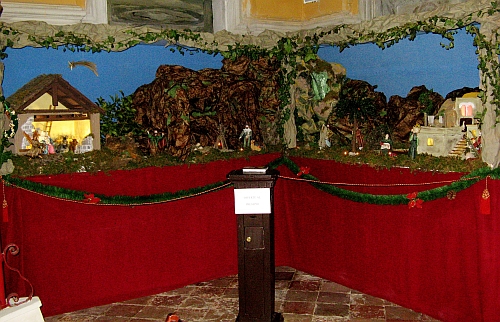
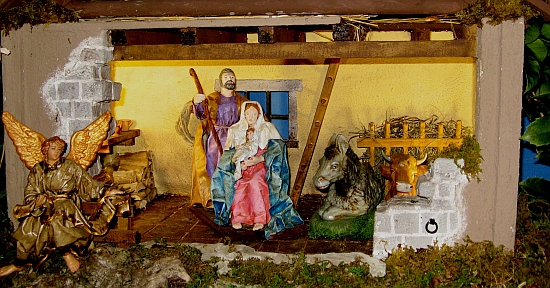
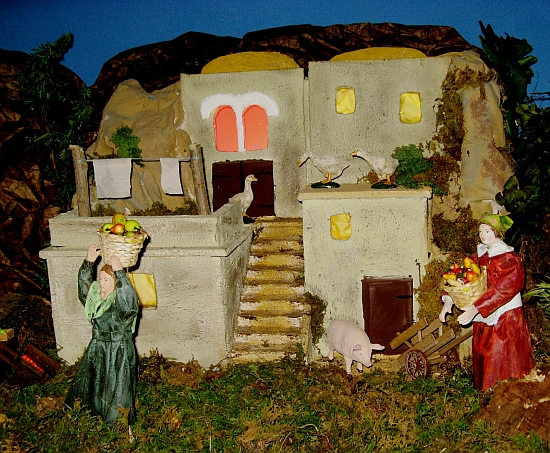
Hello! Pigs could be present in the nativity. Remember that not all habitants of the Holy Land were jewish 2000 years ago, quite a lot were pagans! In fact the gospel cites, how the teaching Jesus and his disciplines once met a herd of 2,000 pigs near the city of Gadara. Jesus purged the devils from two madmen and had them embed in the pigs, which then ran into the nearby Genesaret Lake and all drowned. (Mt 8-28-34, Mark 5,1-20, Lucas 8,26-39)
You are completely correct and I’m glad you took the trouble to write. To take it several steps further, if you ever visit Naples, you should go to the street of San Gregorio dei Librai and look at some of the Nativity-scene shops. They’ve got figurines of everybody — Diego Maradona, Bill Clinton, Toto’, undoubtedly Kim Kardashian and Bristol Palin — which you can add to your O Holy Night cast pf characters. Pigs are nothing.
An interesting article!
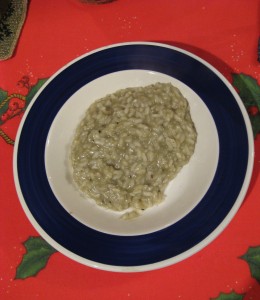
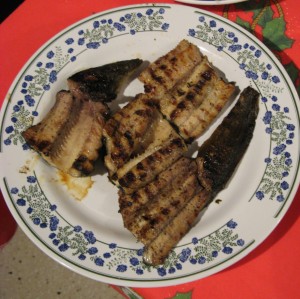
The Venetian traditional Christmas dinner since the Bronze Age cannot be as you describe it, as the Bronze Age ended at least 7 centuries BCE !!
Rice may have been known primarily due to imports through Altinum from the Levant and Egypt where it was cultivated perhaps before 700AD, and some may have been bartered for fish from the Lagoon residents prior to the establishment of Venice as it is known today.
Good to keep trying to run away from Americanate like rewriting history about Christmas in Venice!
My reference to the Bronze Age was just an expression, an attempt at humor which I see was not successful. I’ll keep at it, but don’t guess I can win them all. Meanwhile, I would hazard that it would be more likely that the Lagoon residents sold the salt they produced (I doubt that they bartered), considering how valuable a commodity salt was, and how relatively rare, unlike fish. About your comment on my “rewriting history” — that would be an attempt at humor? If so, not successful.