bows of happiness
“Three things remain to us from paradise: Stars, flowers, and children.”
This enchanting statement is often attributed to Dante Alighieri; I regret to say that no evidence supports this. So rather than waste time grappling amongst a thousand footnotes for the truth let’s agree that the very talented Anon. wrote it.
It came to mind because of Sophie’s arrival across the canal from us on January 4. I don’t know her; I haven’t seen (and, strange to say, haven’t even heard) her. I only know that she’s a new neighbor and she has brought joy with her.
So in the spirit of Anon.’s poetic observation, here are a few glimpses over the years of these particular remnants of paradise scattered around here. Flowers and stars will follow.
CHILDREN
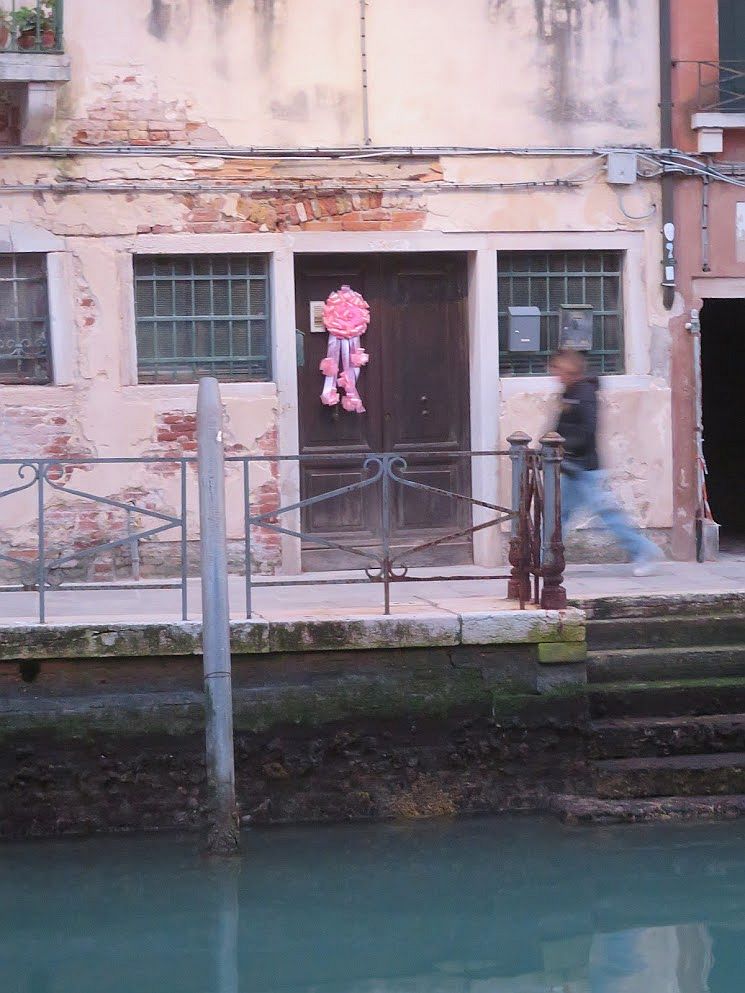
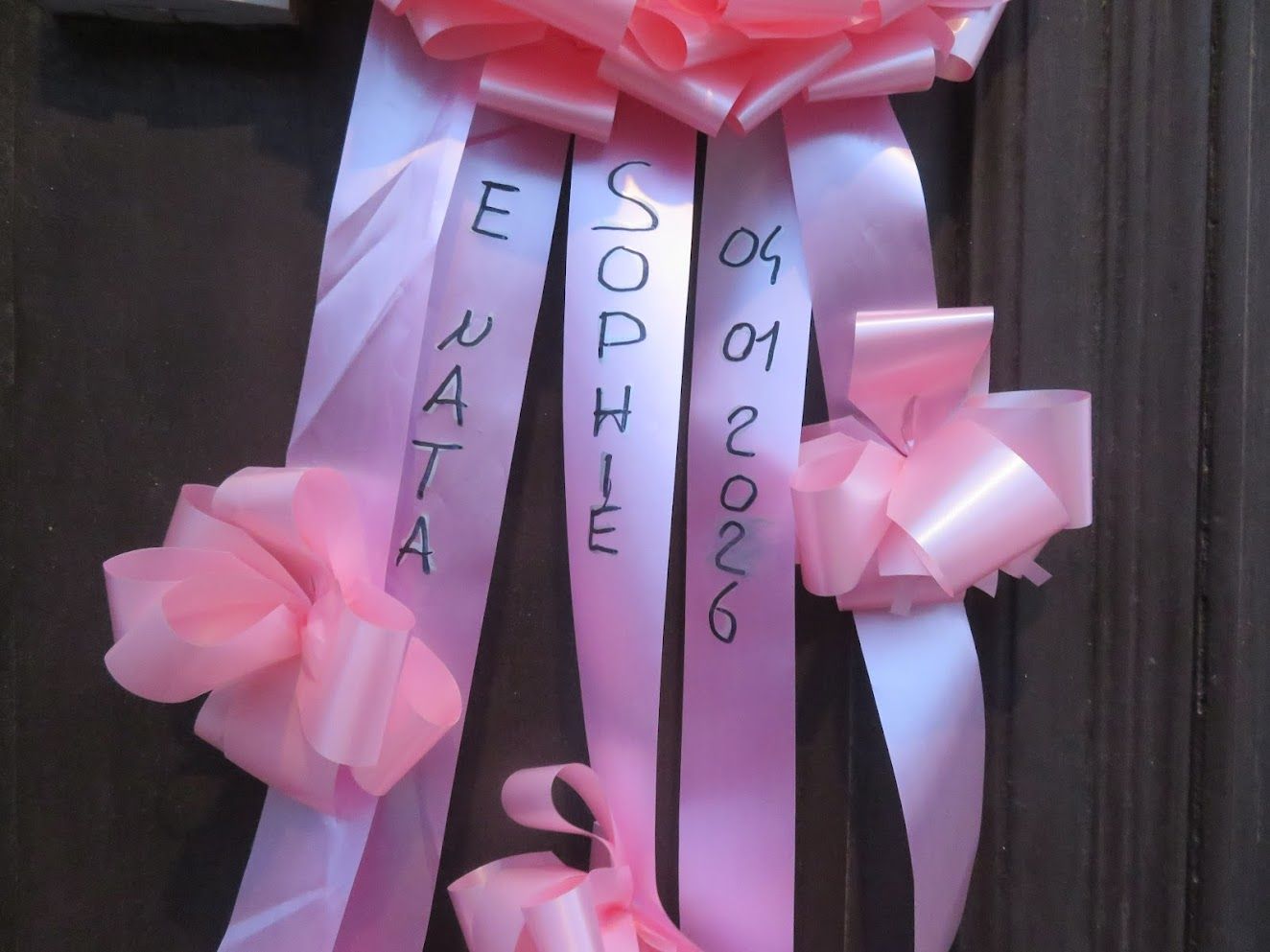
I’m always on the lookout for the welcome ribbons. Pink for girls, blue for boys, as you know. They always make me feel a bounce of hope.
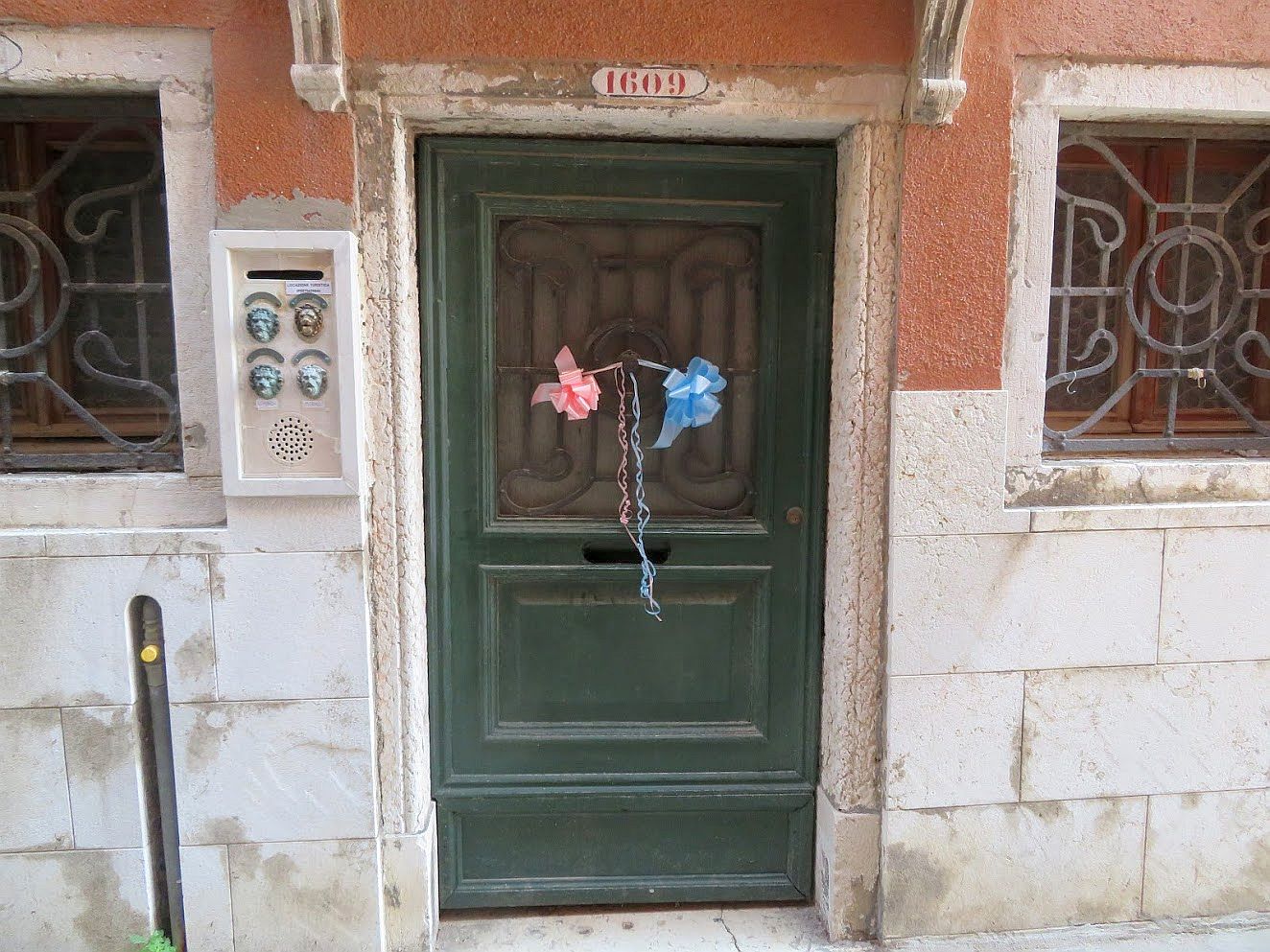
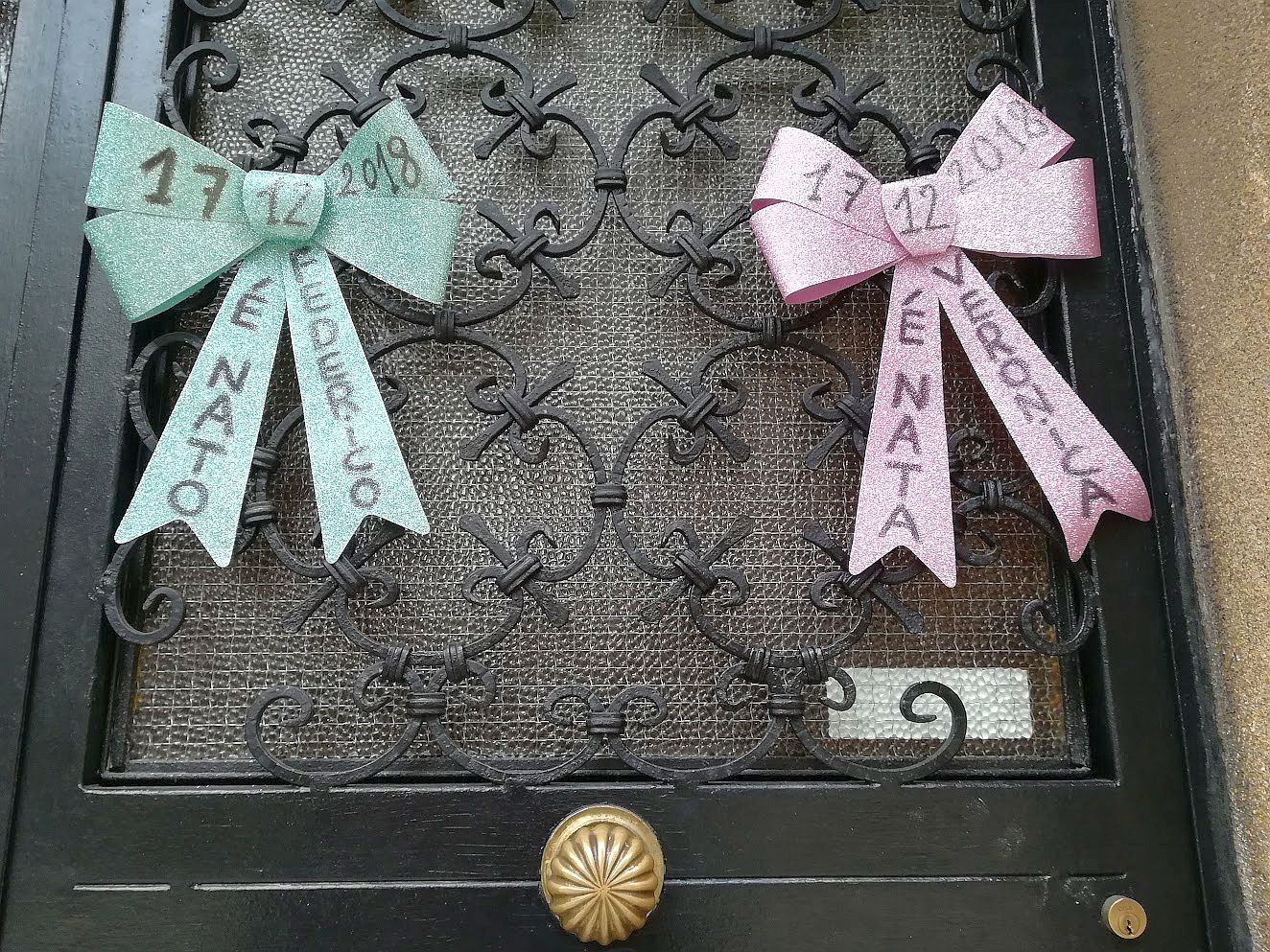
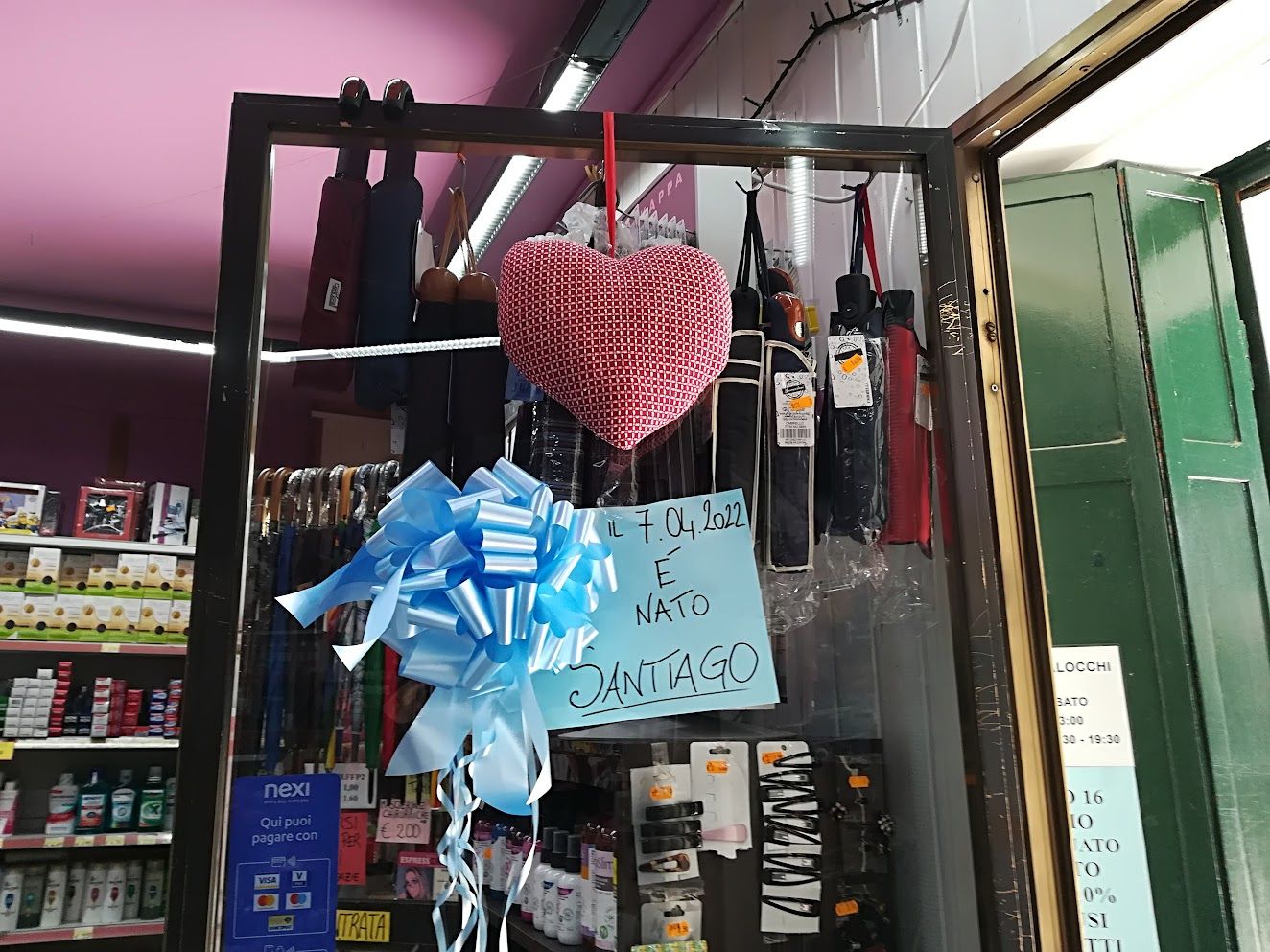
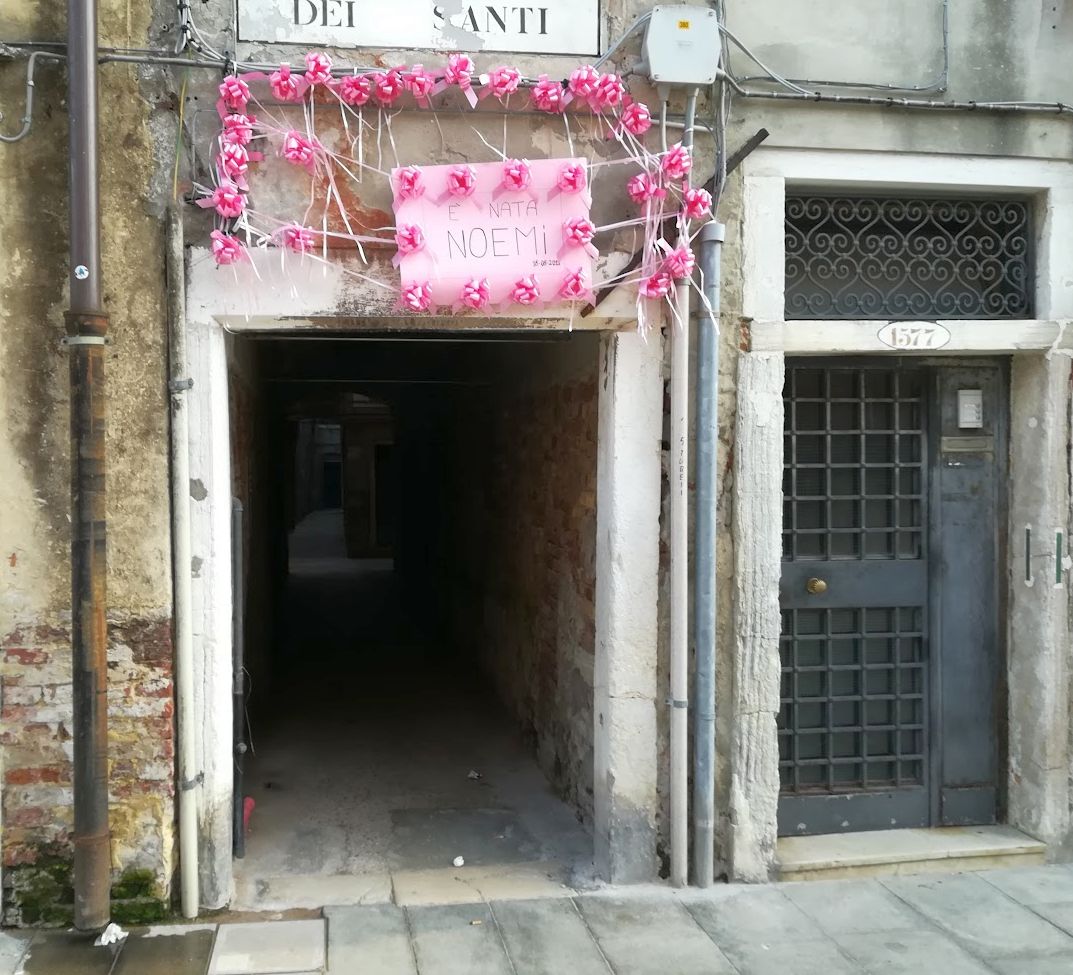
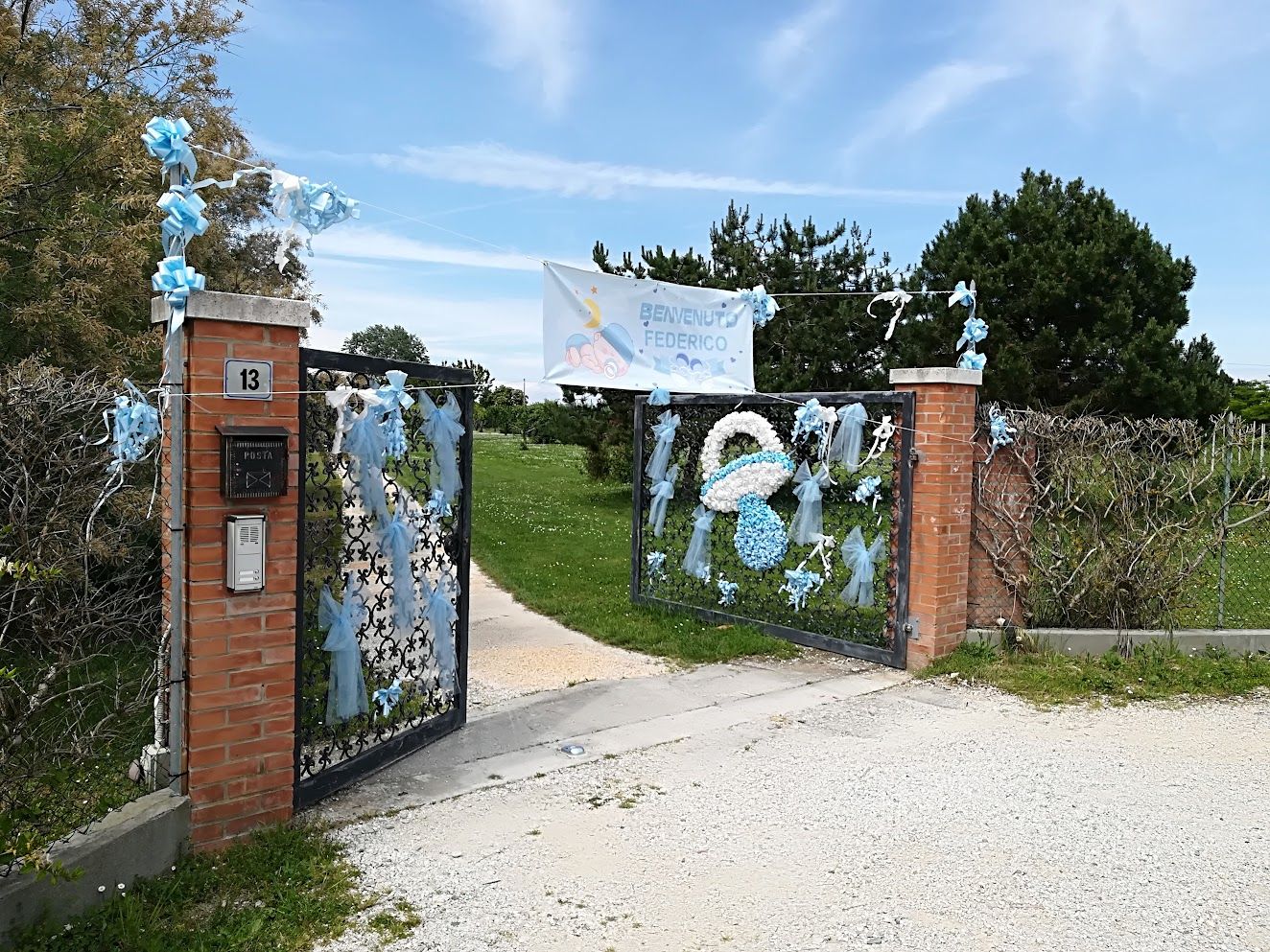
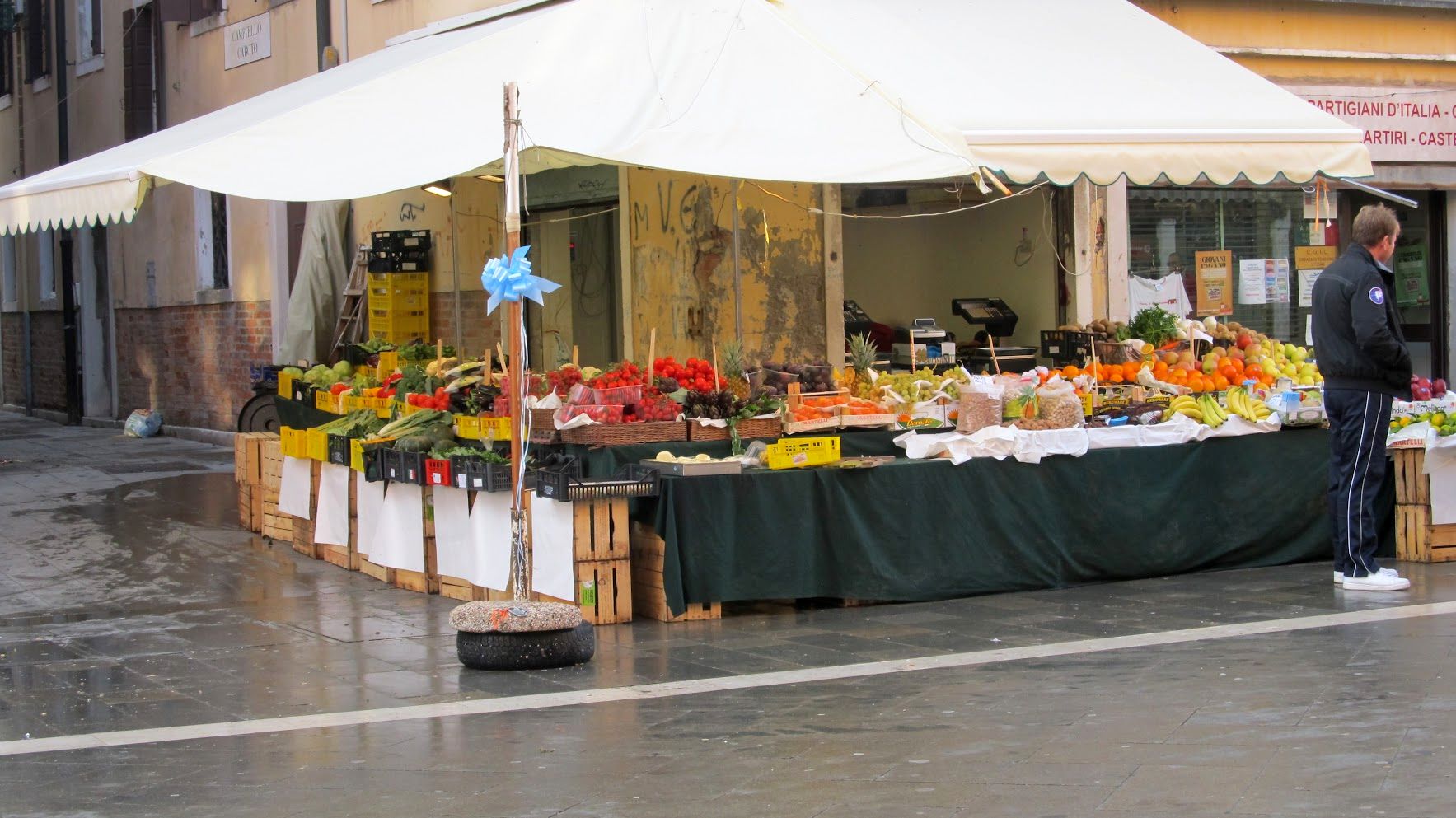
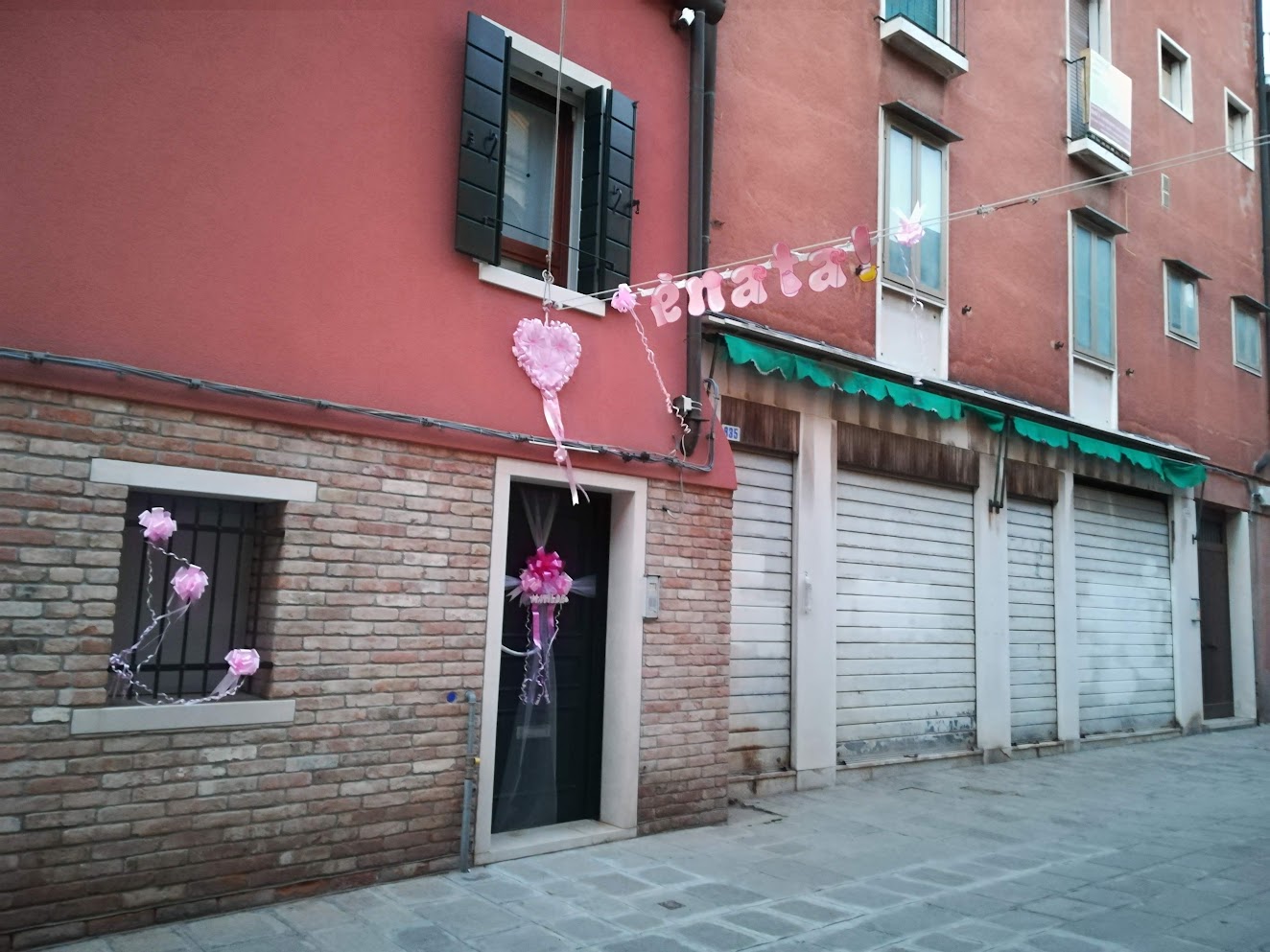
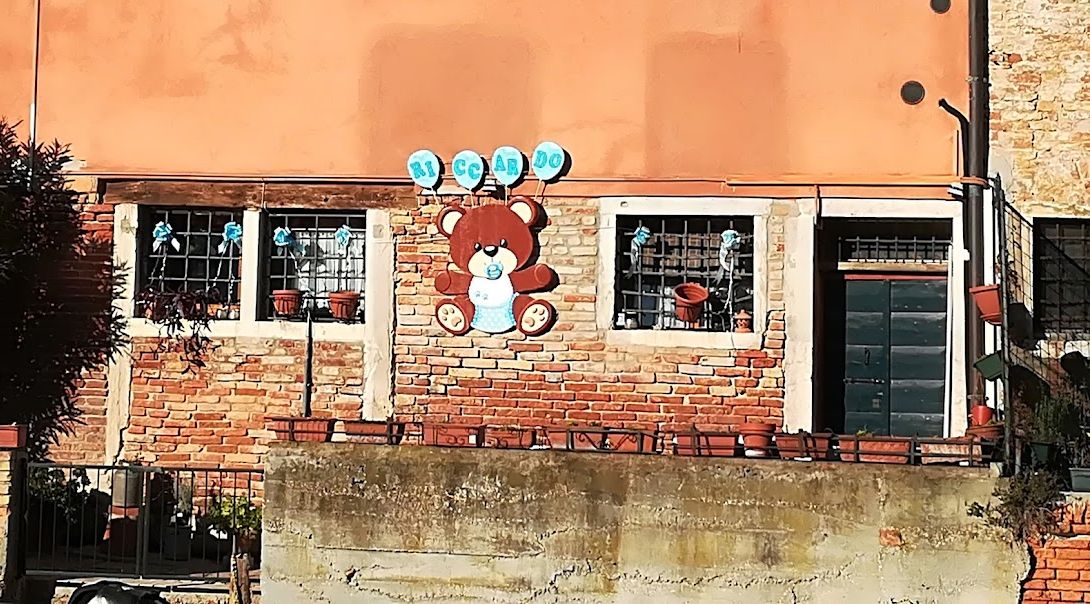

INTERLUDE: A summer stroll around Pellestrina, August 7, 2022. I was there on a typically sweltering summer Sunday to watch the annual local Venetian rowing races. With at least two hours to spare, I had plenty of time to lollygag. This was not at all my first time to this lagoon outpost of some 3,000 souls, so I wasn’t expecting surprises.
But surprised I was, to discover that the Stork had been working overtime. The number of ribbons I found tied to so many houses seemed almost like some sort of game. I won’t hazard any theories as to why a regiment of births had marched through this modest municipality in early August, though I’d like to know what had happened during the preceding November. Massive power outage — no TV but lots of candles? A village-wide festival of wine or grappa that got out of hand? Did a whole cohort make some crazy bet? Is it a cult? Articles continually come out lamenting Italy’s falling birth rate. Maybe they should come to Pellestrina and test the water?
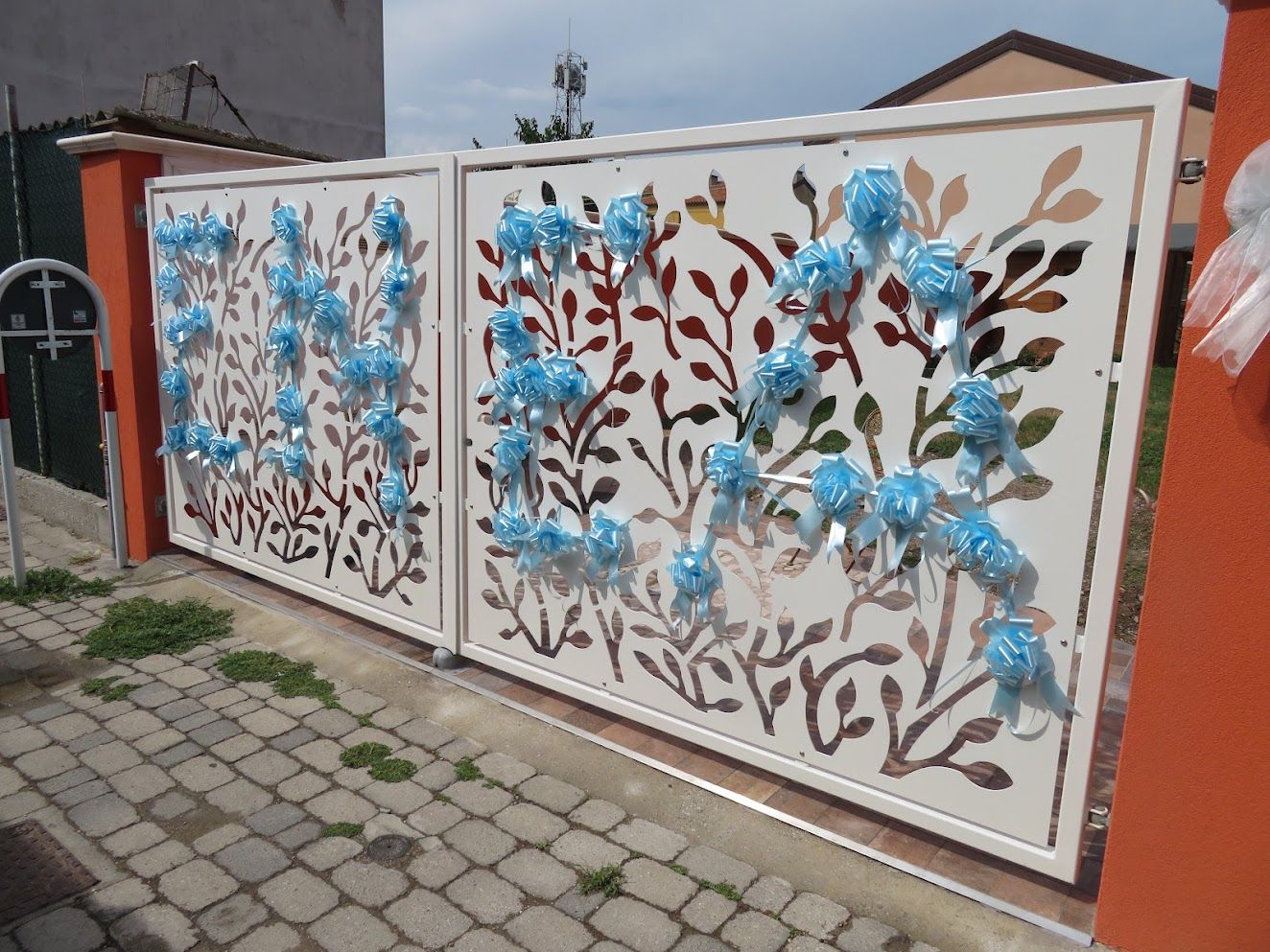
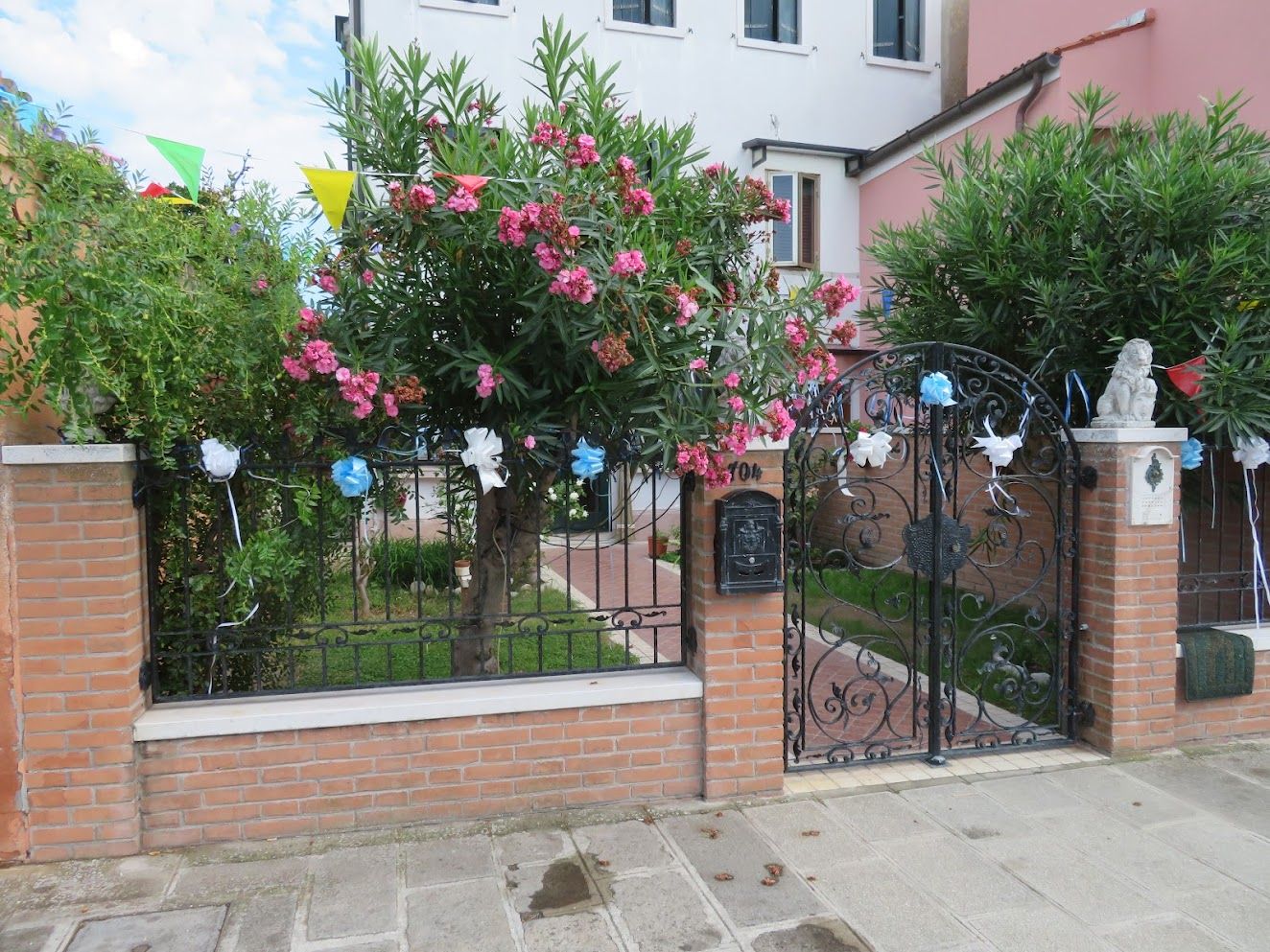
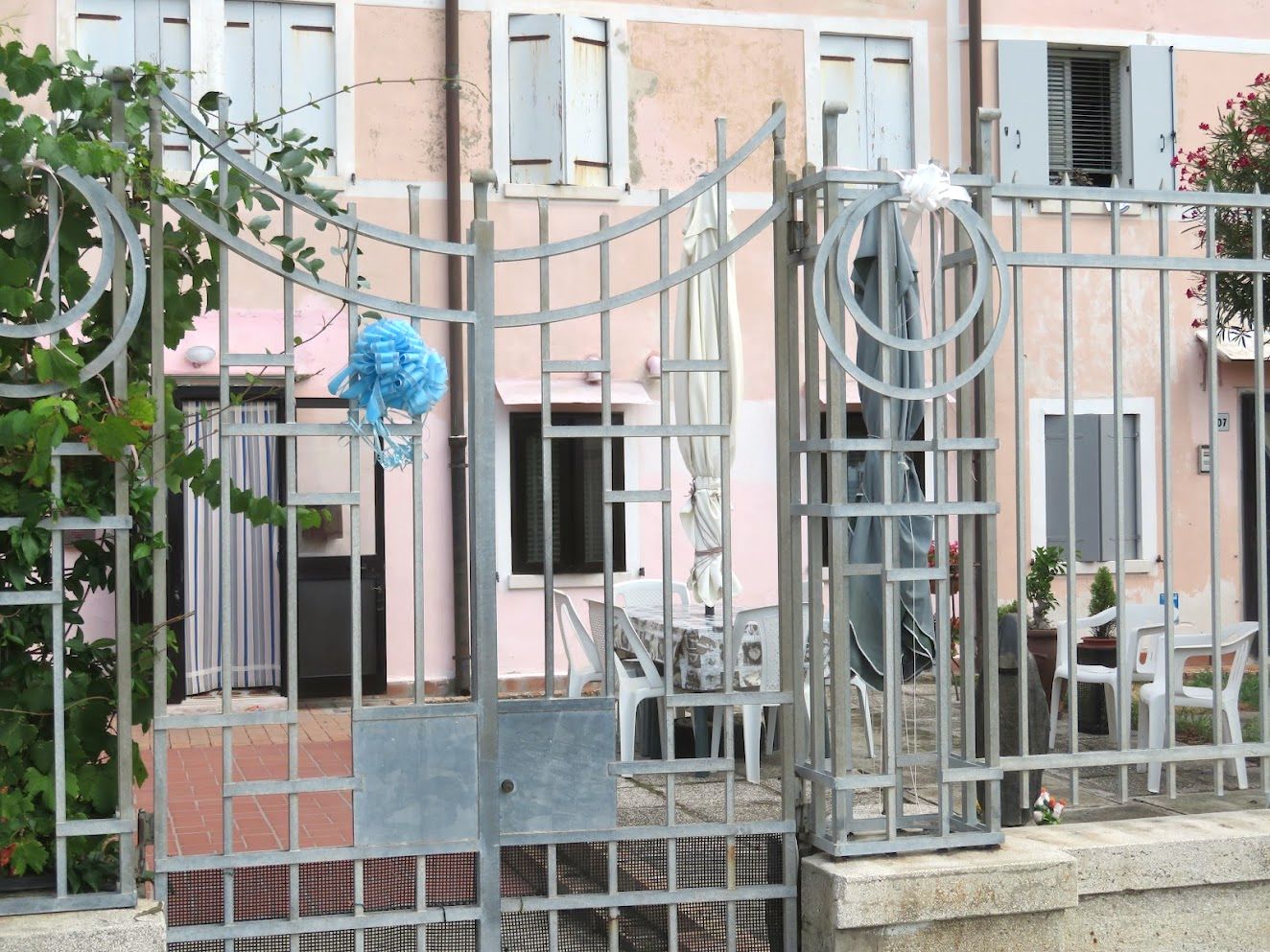
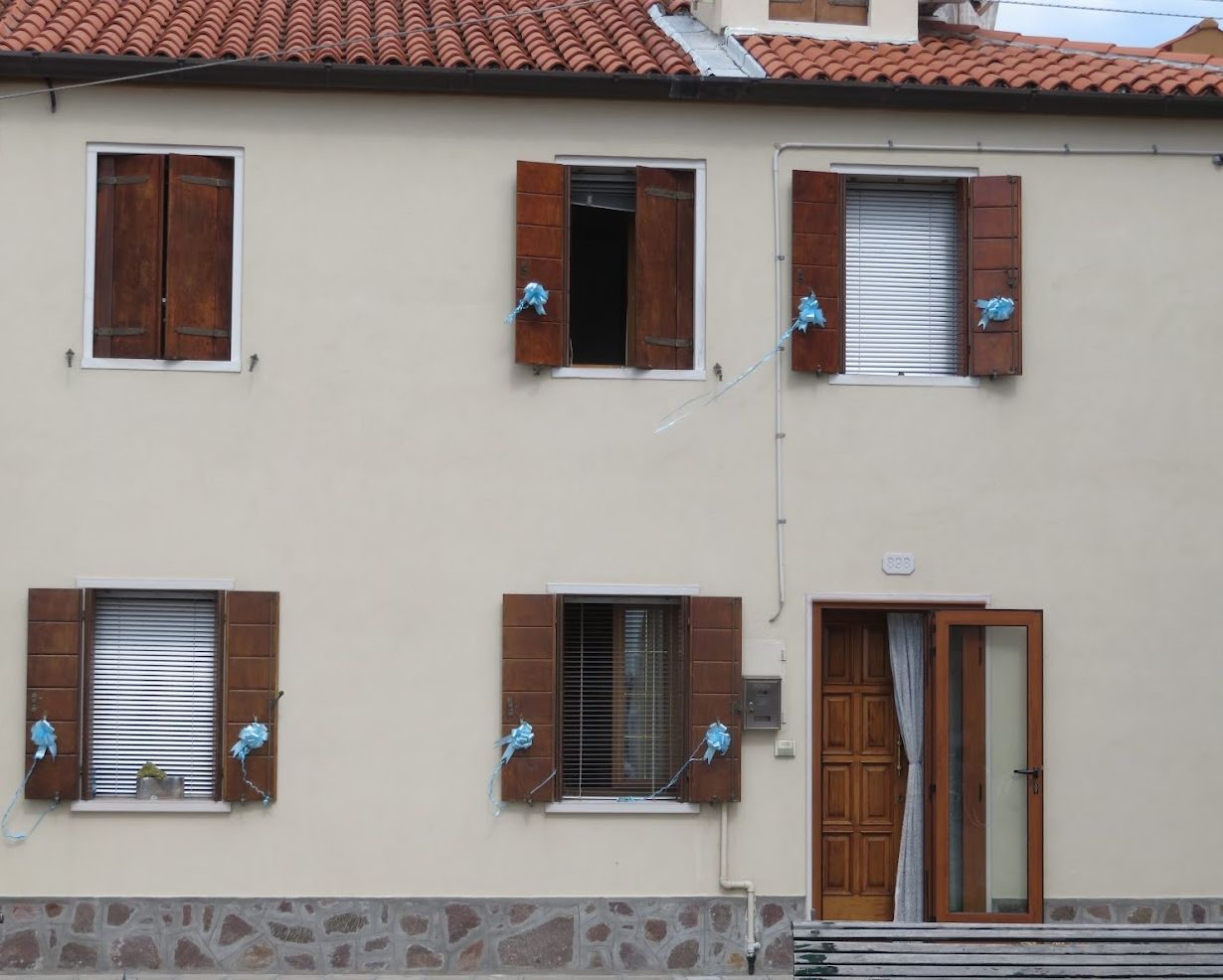
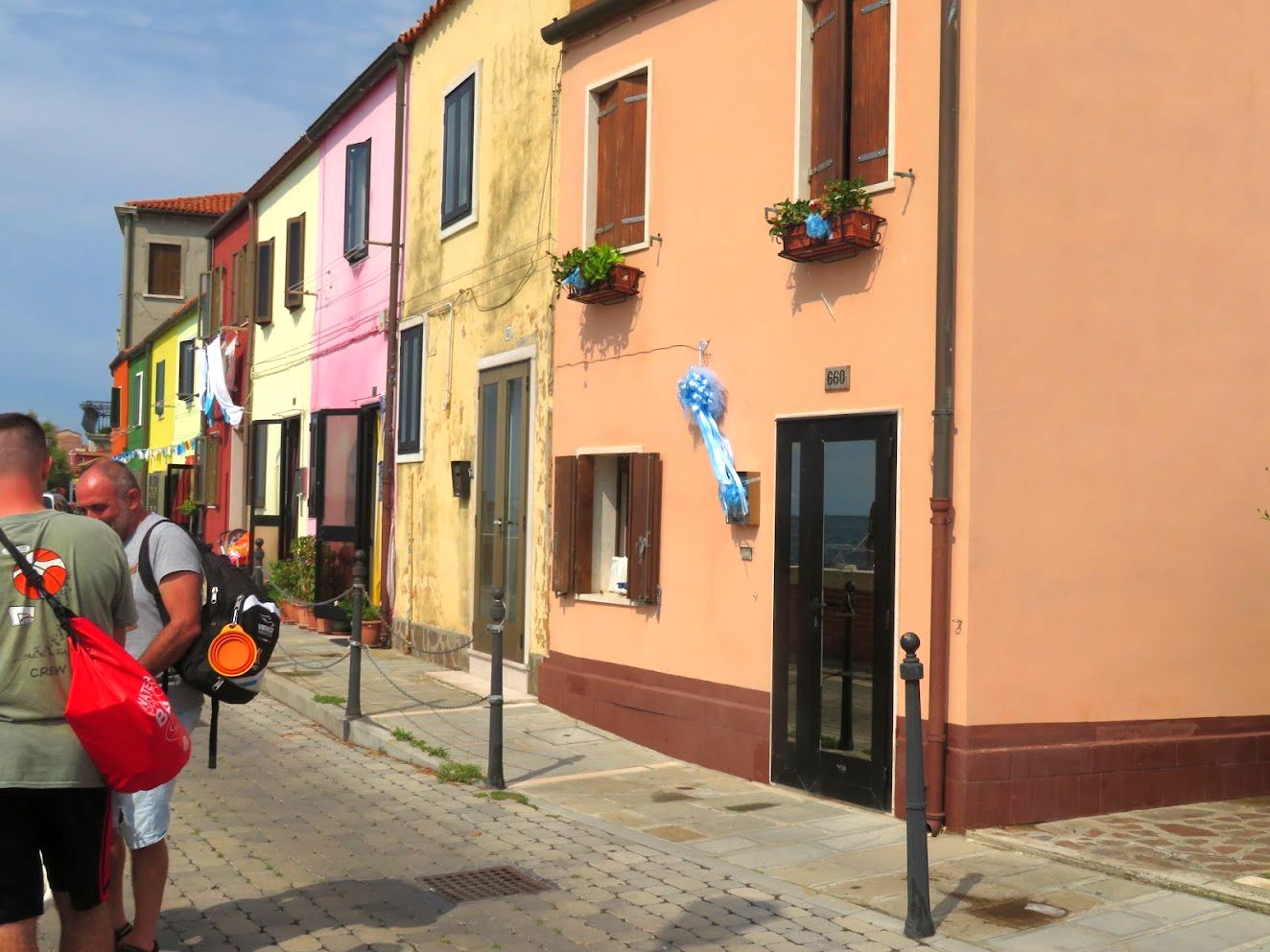
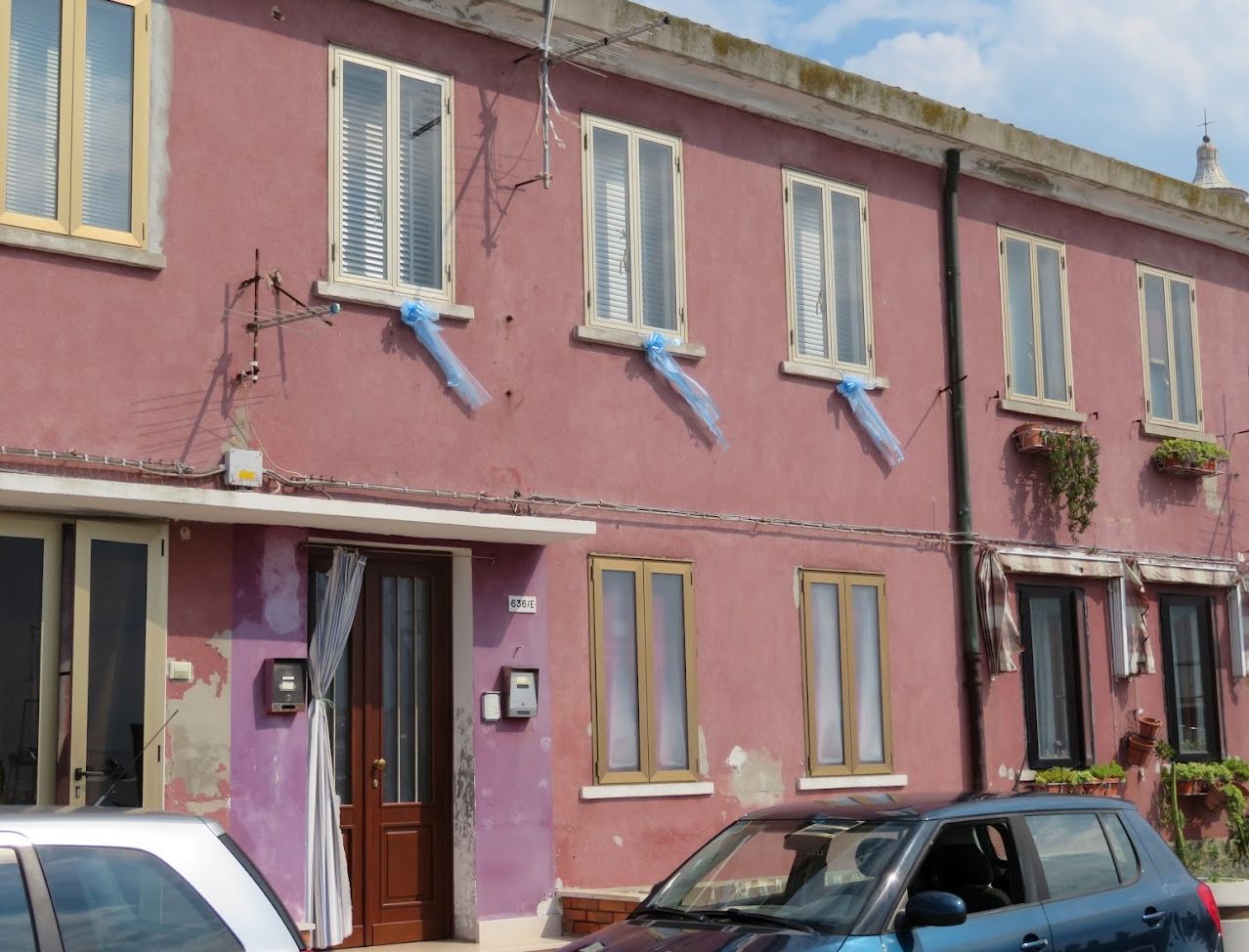
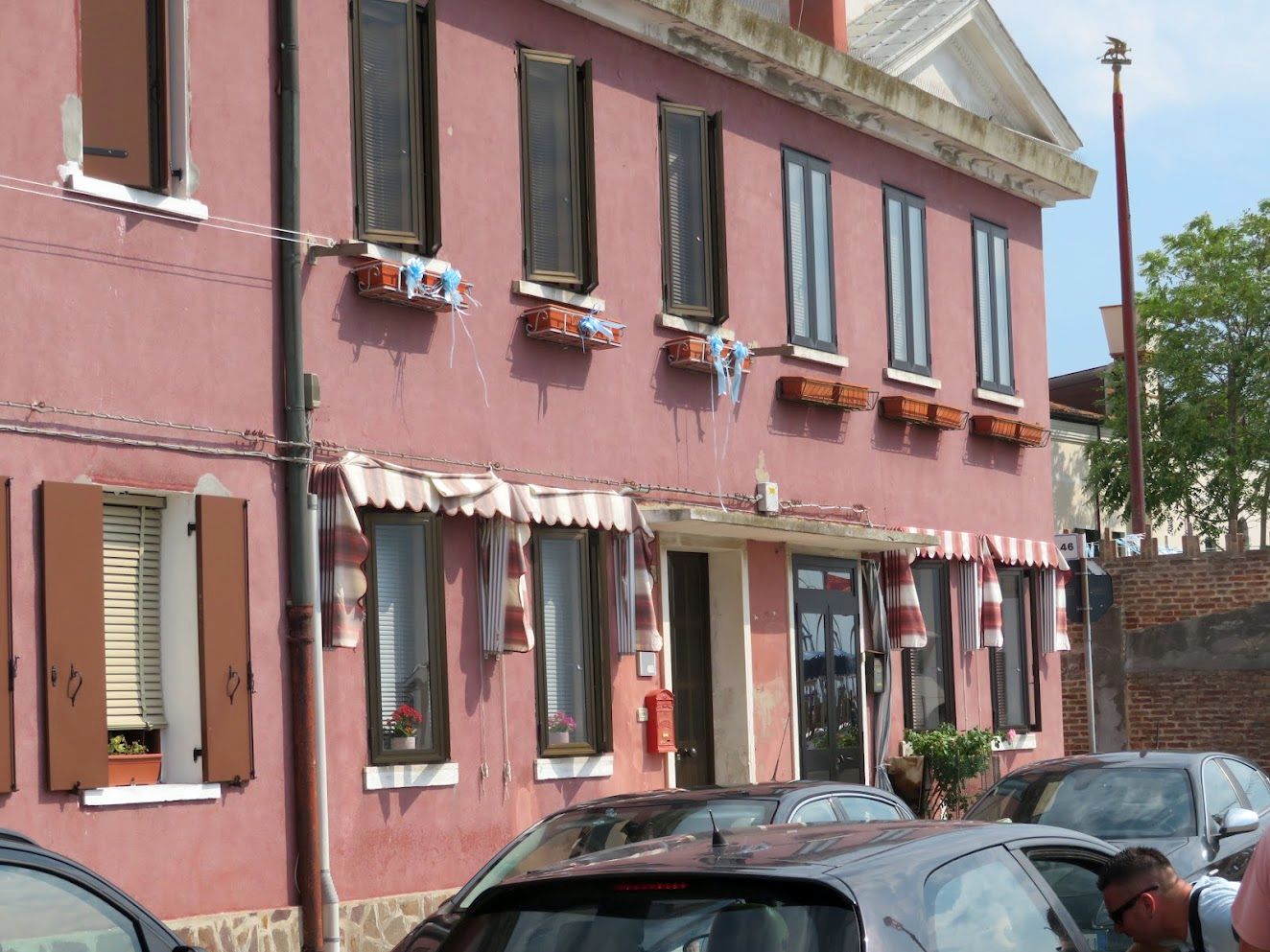
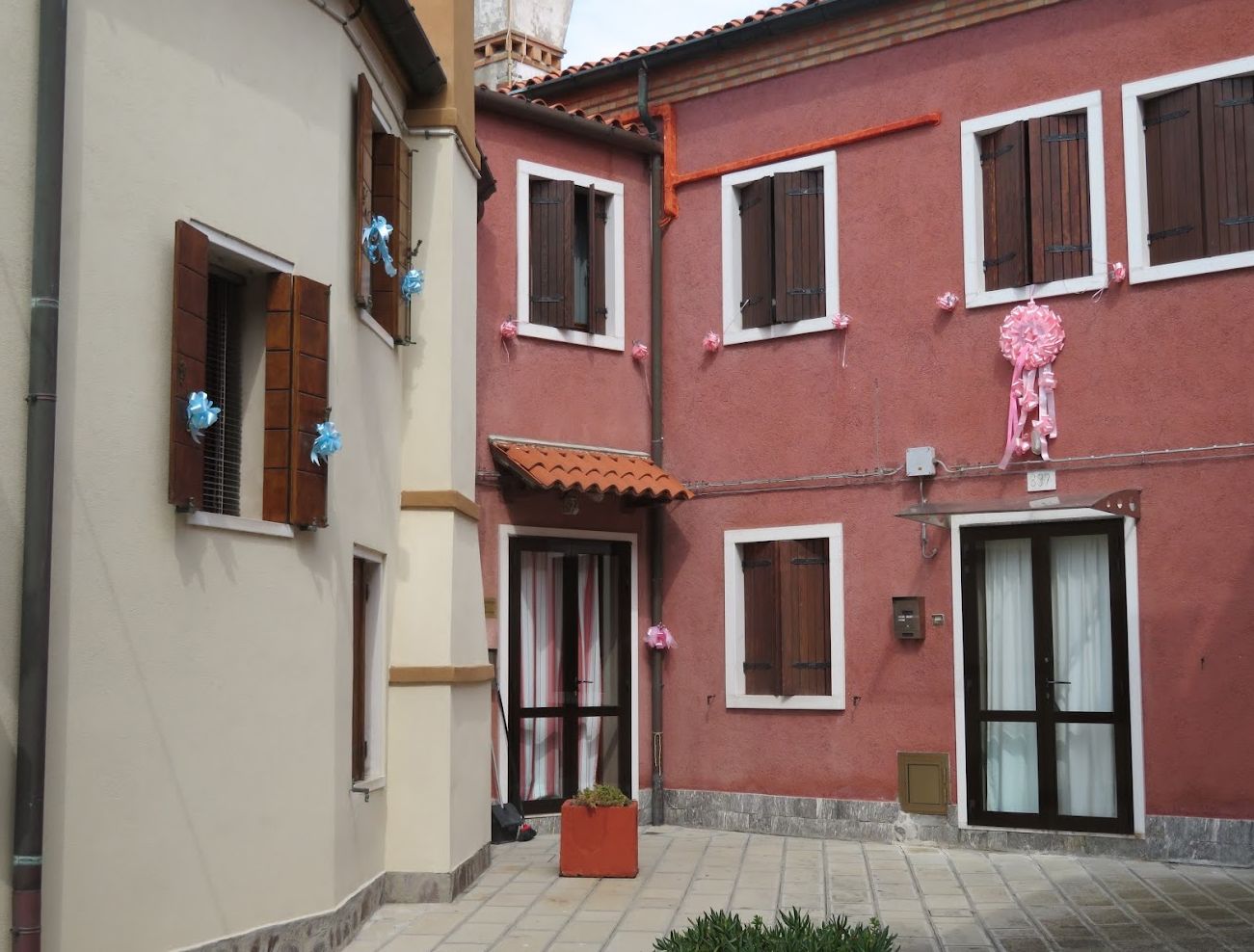
Years ago I read a little report in the Gazzettino. The parish priest of Pellestrina — I’m pretty sure that’s where he was — had just happily celebrated the baptism of a new arrival. And he asked, “Why do we ring the church bells only when someone dies? We ought to ring them too when a baby is born.”
He’s not wrong.
Happy Easter

Or to my non-Christian friends, happy whatever spring-time commemoration you observe.
The operative word is “spring.” As in “budding flowers and fruits.” We have them all over Venice and environs. So please accept these images in the spirit of reawakening, and let us continue to hope for the best.


True Love Street

Anyone going to the center of town on the island of Sant’ Erasmo (which is redundant — the town is nothing but center) has the option of changing vaporettos at the first stop (“Capannone”) and proceeding to the next stop (“Chiesa”), or spending a tranquil 30 minutes walking from C1 to C2.
The first time I did this was unintentional. Years ago I was voyaging toward the center of town to watch the three Venetian rowing races held there every year on the first Sunday in June. But bad timing on my part meant that I was stuck ashore, because I had had no reason to know that service on that part of the vaporetto’s normal route would be suspended; for a few shining moments each year the vaporettos are banned from what is essentially the racetrack, watery though it may be. This is one of the few occasions in which a Venetian boat being rowed gets to tell a motorboat what it can’t do.
Trekking along among the fields, I discovered I really liked going that way. So a few weeks ago, on the way to the early October races, I happily set out on my pastoral excursion.

The road is officially named Via de le Motte, which roughly means “Street (or Way) of the Small Artificial Islands Constructed at Convenient Points for the Fishing Valleys.” Man-made hillocks, basically, which makes sense considering how much work has been done during the centuries to make the lagoon useful to people. But it wasn’t long before I discovered that the impending matrimony of two unknown lovers had inspired at least one friend (possibly more than one) to offer a series of dire, last-minute warnings spray-painted onto the asphalt.
For all I know, though, they might have been sprayed on in the dark of night by the groom himself. Or best man? Matron of honor? Mother of the bride? Her father? Her father-in-law?


“Sei ancora in tempo” (you still have time). I’m beginning to tend toward the best man as perpetrator. A rejected lover? It wouldn’t be the first time.


And so the weird seer fades into the boggy marshes, his/her/their exhortations exhausted.
“The course of true love never did run smooth,” Shakespeare averred. Who’d have thought he’d seen the road on Sant’ Erasmo?
Locavore on the loose

We have been gasping under a suffocating heatwave for at least two weeks (months, years…losing track of everything), with temperatures in the 90s (F) and humidity beyond calculating.
My vital functions are down to the minimum, and evidently my brain isn’t on the “Save First” list, so my posts will also be at the minimum for a short while.
But there was a lady the other morning at the fruit and vegetable boat who gave me an unexpected little jolt.
I had just begun to tell Massimo and his cigarette what I wanted when the lady came bustling up behind me. She already had her vegetation in a thin plastic bag, but she announced that it was threatening to give out at any moment.
Without so much as a by-your-leave (I guess when my brain disappears, the rest of me goes with it?) she extended the bag toward Massimo to demonstrate its fragility and asked him to give her another one. She spoke in Italian but I couldn’t place the accent — it seemed to come from somewhere in the central regions. But I could tell by her behavior that she wasn’t from around here.
“A stronger one,” she added in a way that blended a whiff of anxiety with a strong gust of busybody. “You can see that this one isn’t going to hold out. It really is too thin. Just think if I were to try to take it onto the vaporetto and it broke, I don’t know what I’d do.” She did seem a little keyed up. “So another bag, please. I’ll pay.”
“You know, you could also carry your own canvas shopping bag,” Massimo remarked in a noncommittal way. (He said “canvas,” although everybody uses ripstop nylon these days. Anyway, she knew what he meant.) It was very nice, the way he accommodated her without creating any further anxiety while at the same time letting her know that her fate, where her fruit was concerned, didn’t have to depend on him, or the firemen, or the police divers, or anybody but herself.
“Oh no, I don’t like those bags,” she quickly replied, implying that he’d suggested something her mother had warned her never to be seen with. My own mother was certainly implacable where it came to some things, such as my walking barefoot in the summer on the sidewalk just in front our house, because people would think I belonged to the Jukes and the Kallikaks.
Massimo handed her the never-fail sturdier green plastic bag. “Ten cents.” Asking for the money confirmed that she isn’t from around here; I think he was making a point.
She paid. She left.

“Wow,” I said as he turned his attention back to me. “No canvas bags.” He gave a little shrug and an even littler smile.
“Yesterday she asked for lemons from Sant’ Erasmo,” he said. “And bananas from Sant’ Erasmo.” (To any reader who might not remember that these delicacies do not, are not, and could not be grown on Sant’ Erasmo — well, maybe the lemons could, I’m not sure — it would be like asking for mangosteens or manioc from Sant’ Erasmo).
“They’re really good,” I said, smiling with fake sincerity. “A lot of people don’t know that. Did you give them to her?”
“Of course.”
What is more treacherous than a very thin and overloaded plastic bag? A tiny bit of information that you don’t understand. Just because she had seen “Sant’ Erasmo” listed on various signs stuck into piles of local produce — eggplants, string beans, leeks — she interpreted this as “best” because it’s right next door, the closest loca that a vore could want.
I was sorry that she’d let herself improvise, because she was clearly so sure of herself in every way. Food for thought. From Sant’ Erasmo.
