Google Analytics is a powerful tool that tracks and analyzes website traffic for informed marketing decisions.
Service URL: policies.google.com (opens in a new window)
_gac_
Contains information related to marketing campaigns of the user. These are shared with Google AdWords / Google Ads when the Google Ads and Google Analytics accounts are linked together.
90 days
__utma
ID used to identify users and sessions
2 years after last activity
__utmt
Used to monitor number of Google Analytics server requests
10 minutes
__utmb
Used to distinguish new sessions and visits. This cookie is set when the GA.js javascript library is loaded and there is no existing __utmb cookie. The cookie is updated every time data is sent to the Google Analytics server.
30 minutes after last activity
__utmc
Used only with old Urchin versions of Google Analytics and not with GA.js. Was used to distinguish between new sessions and visits at the end of a session.
End of session (browser)
__utmz
Contains information about the traffic source or campaign that directed user to the website. The cookie is set when the GA.js javascript is loaded and updated when data is sent to the Google Anaytics server
6 months after last activity
__utmv
Contains custom information set by the web developer via the _setCustomVar method in Google Analytics. This cookie is updated every time new data is sent to the Google Analytics server.
2 years after last activity
__utmx
Used to determine whether a user is included in an A / B or Multivariate test.
18 months
_ga
ID used to identify users
2 years
_gali
Used by Google Analytics to determine which links on a page are being clicked
30 seconds
_ga_
ID used to identify users
2 years
_gid
ID used to identify users for 24 hours after last activity
24 hours
_gat
Used to monitor number of Google Analytics server requests when using Google Tag Manager
1 minute

24 Comments
Great post! How are you doing?
Vern
As you see, I am still here and still sifting through Venetian life to find something blogworthy. I’m so glad I managed to write one that you especially liked. Hope you’re fine out where you are.
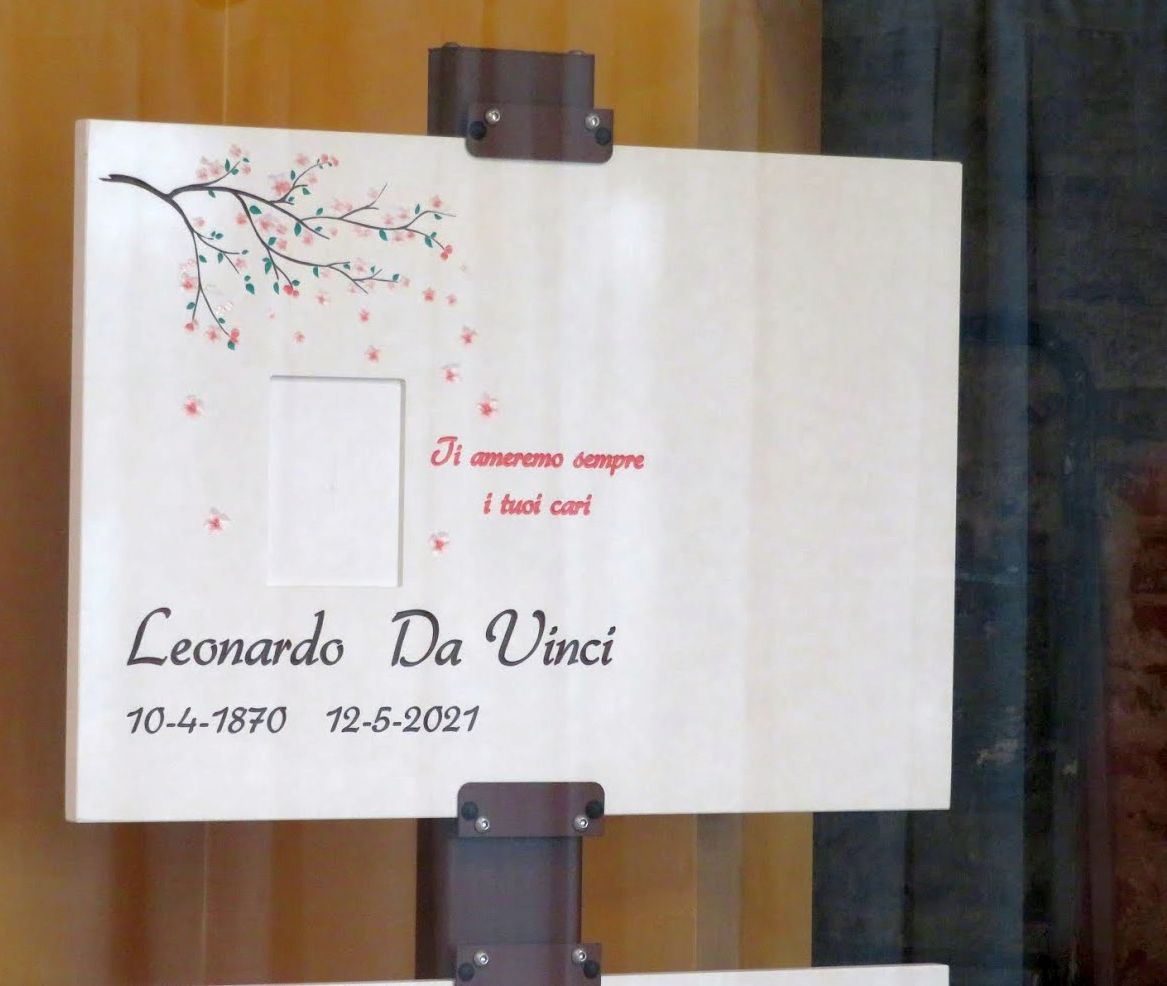
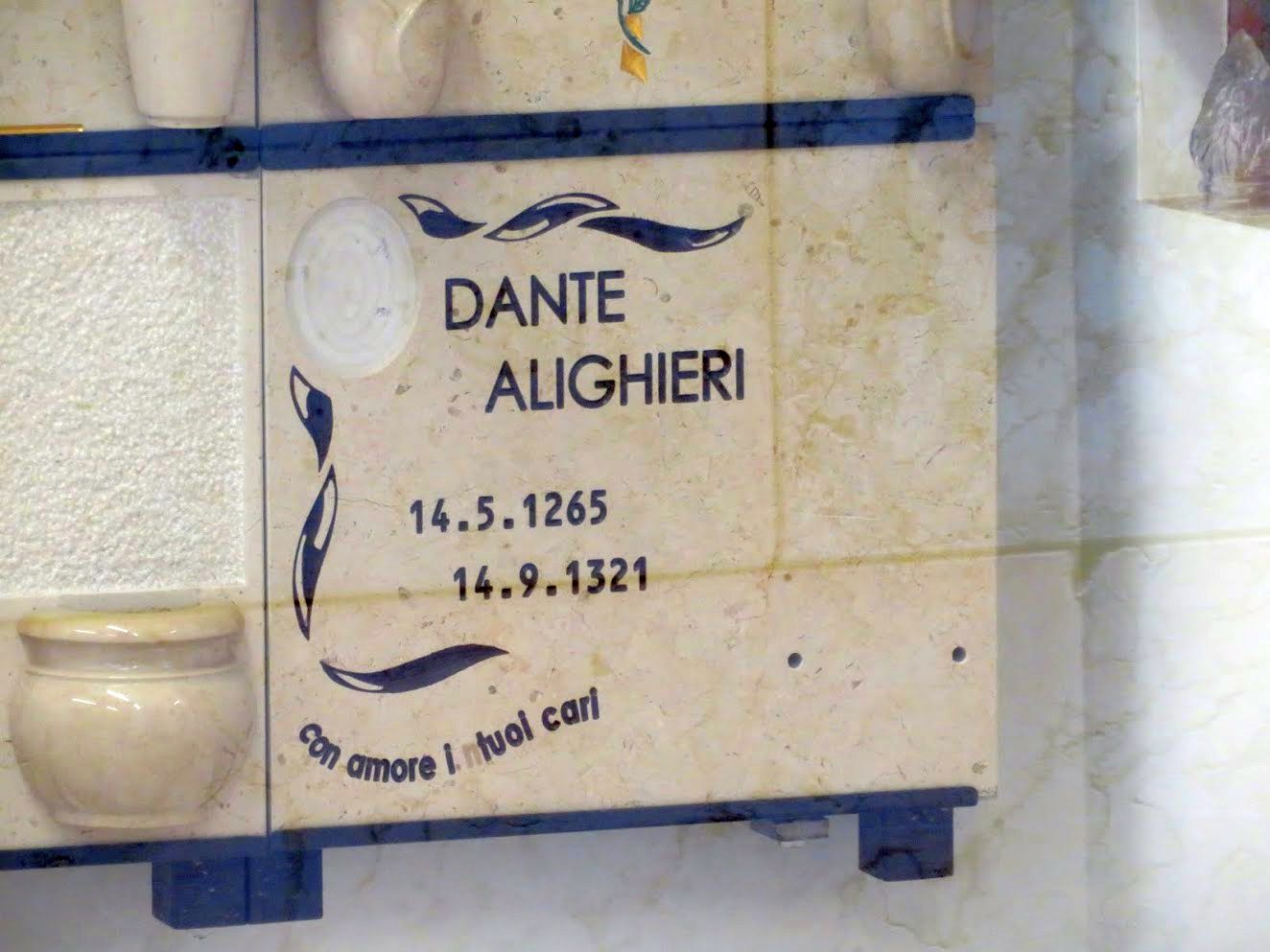
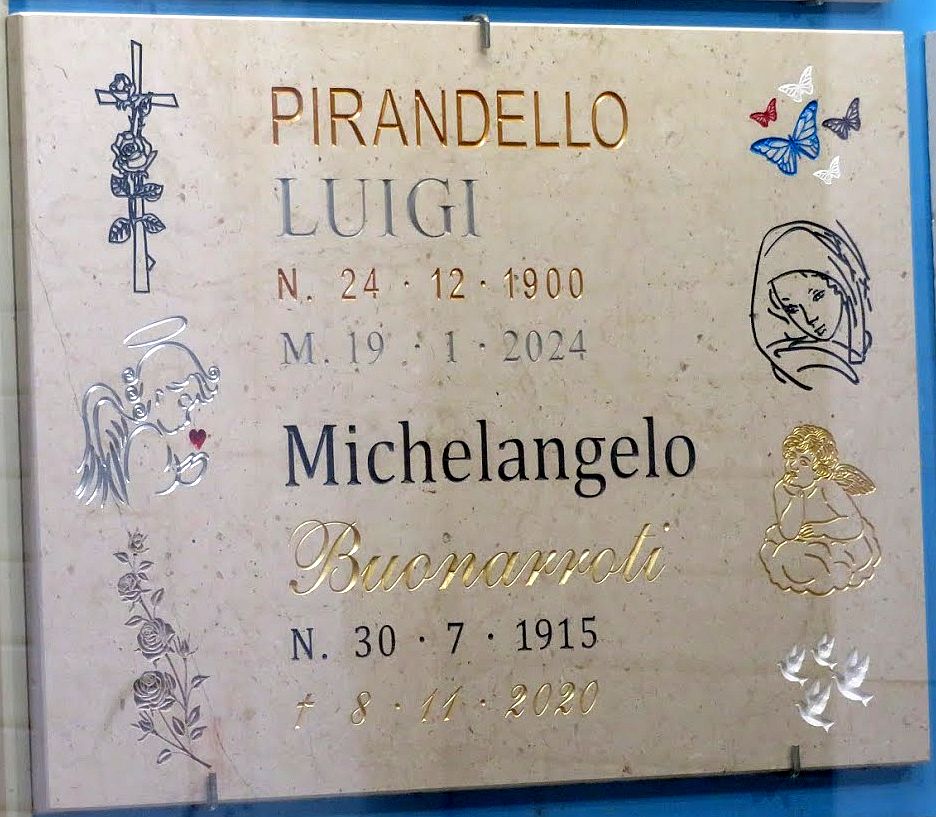
Loved your random photos. Having just ordered our tombstone this week, we realized all the different references that can be added to the headstone, including skulls, fishermen, flowers, mountains, sea shells, Santa Claus and it goes on and on…..
I am looking forward to our visit to Venezia at the end of May before heading to Cortina, and onward north to Val Gardena and a few of Messners mountain retreats. Spectacular!!
Ronda
Haha definitely a lightened up post! ????
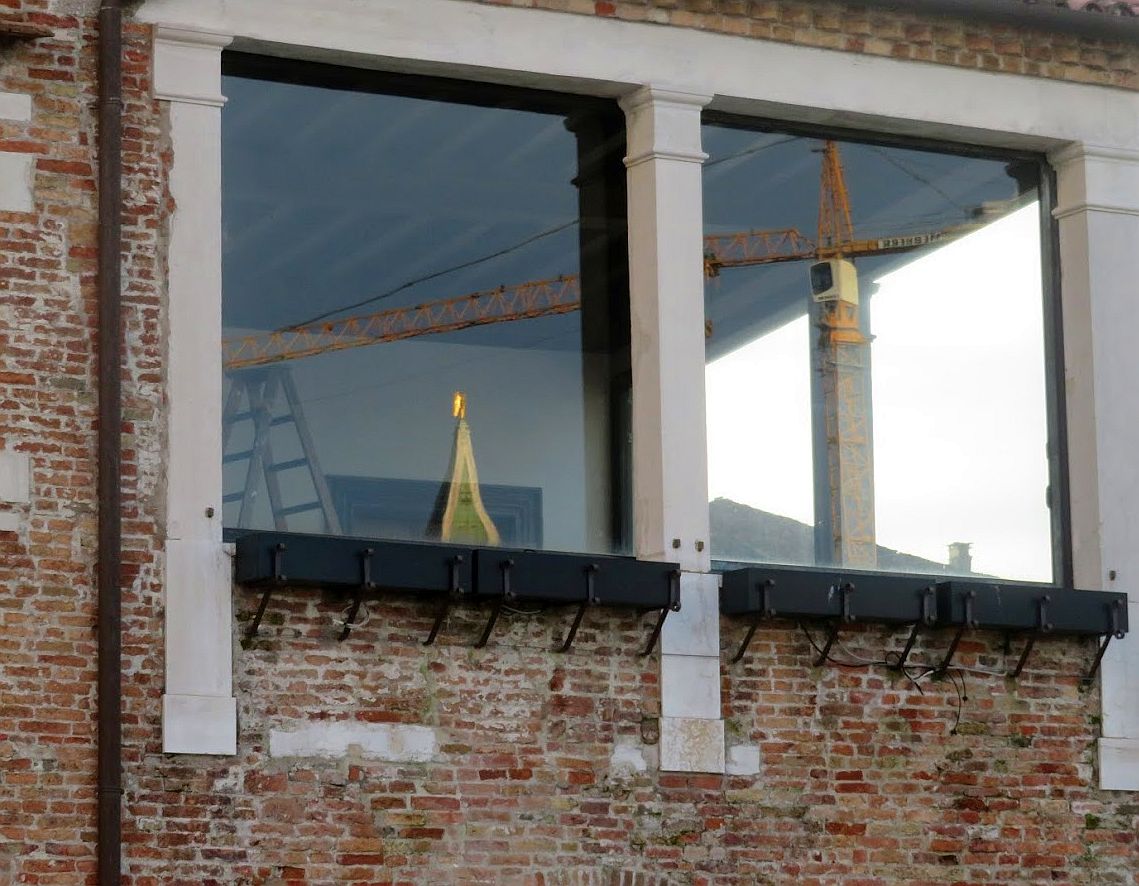
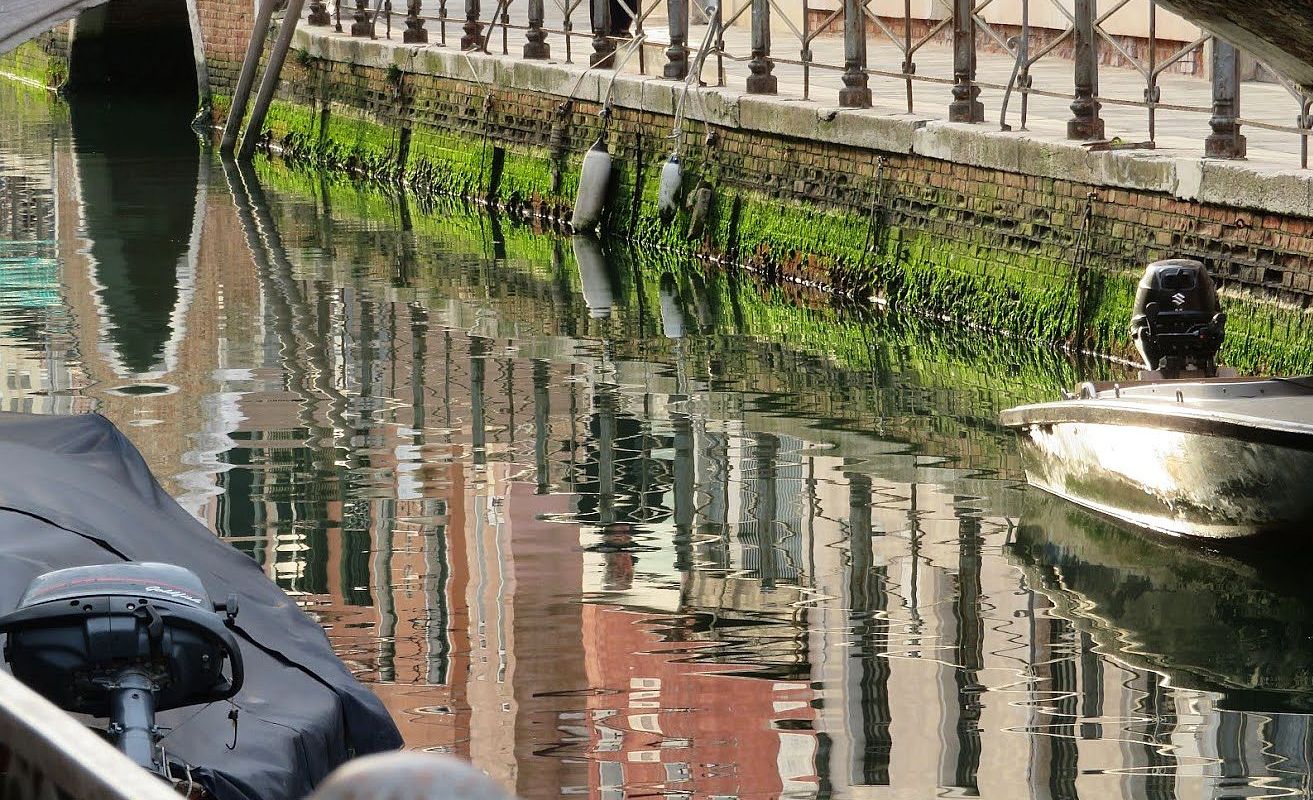
As I read this tonight from my Apt. on Broadway in New York City I discover Both our weathers right now are almost similar…..cold, windy, damp. And if I was the sentimental sort I could almost feel we were close enough to chat. …..maybe about those reflections.
How nice it would be to be by the Lagoon right now escaping this mad and maddening world…..And Venice waits there, eternally elegant and saucy. (Need a touch of Vivaldi now.) Must remind myself to go back. Thank you for your episodical commentaries.
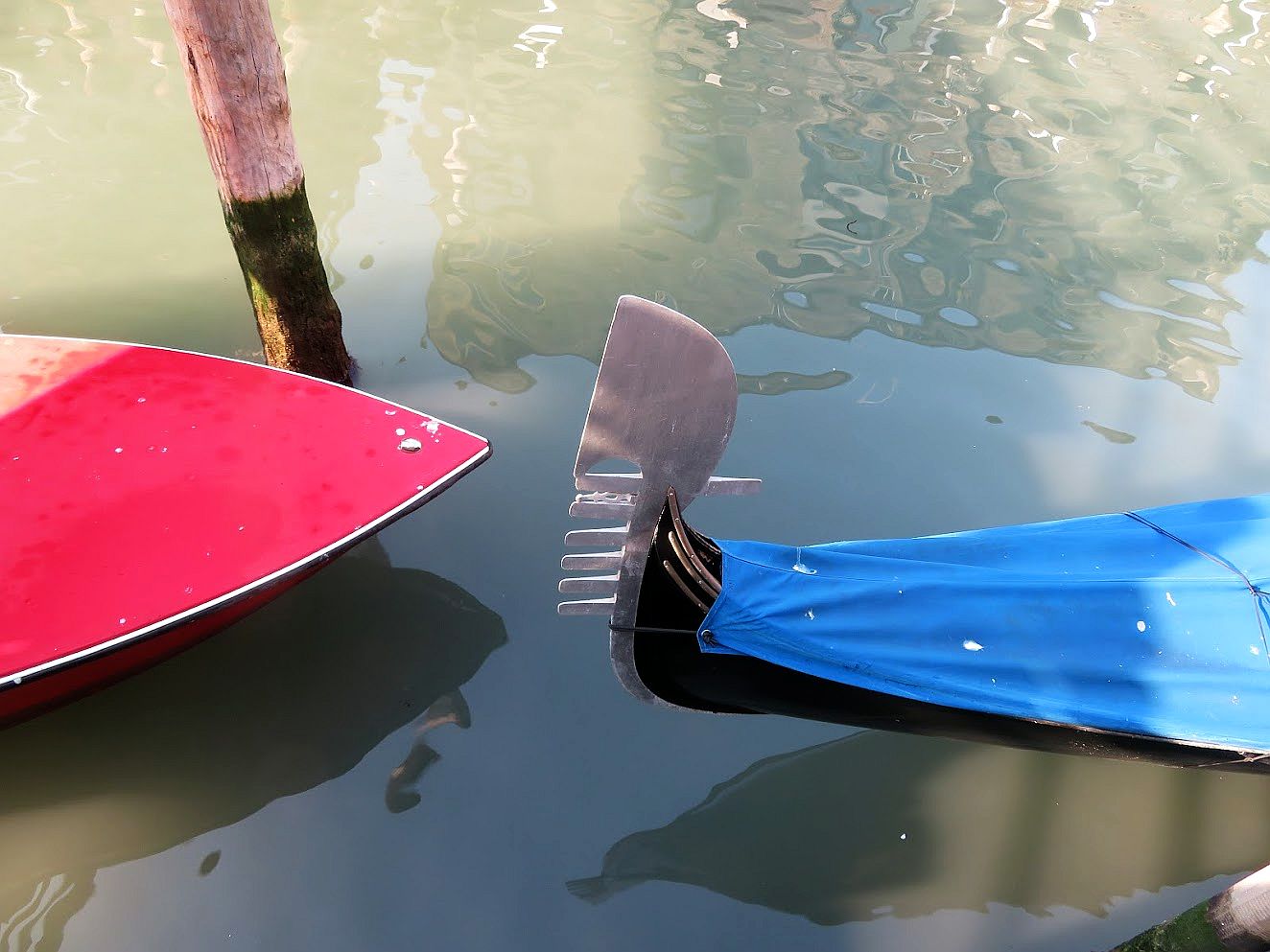
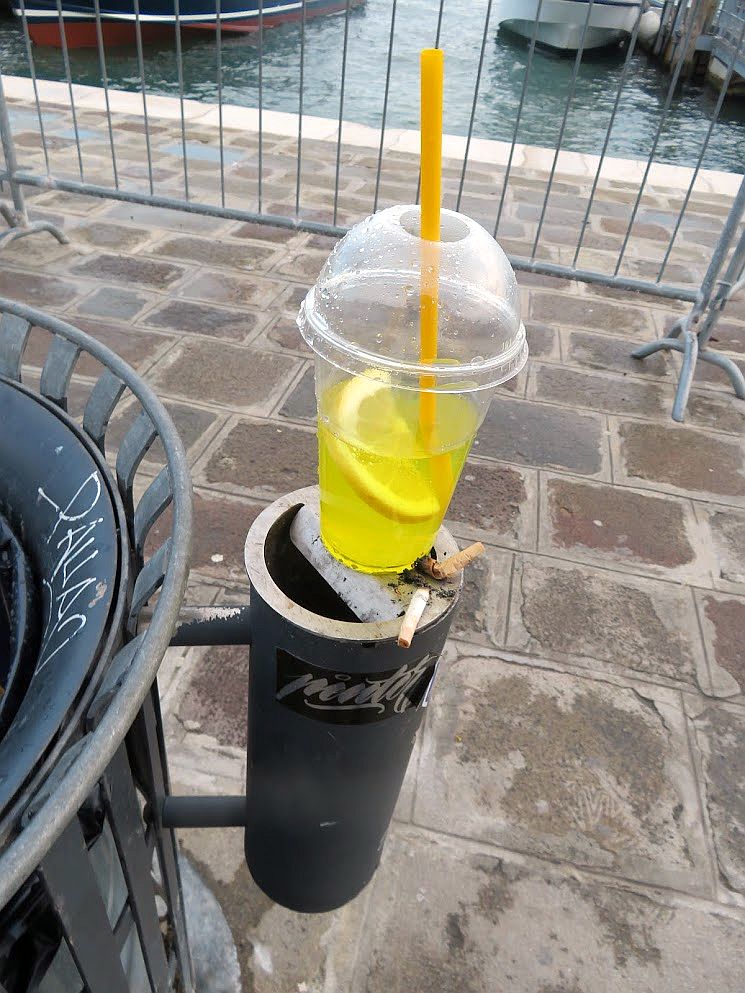
You’re really seeing stuff, EZ! And I love the “what the hell is this?” photographs.
Hey, that’s my favorite kind of photo. Thanks!
a bit challenging to be light in these dark times, but you managed! Thanks Erla! For sure Spring in Venice gives cause for lightness to anyone who grew up on the East Coast or Midwest of the USA where Spring = mud snow and sleet on Easter… Here in the lagoon, the daffs and hyacinth are already gone but the fruit trees, daisies, ranunculus(es?) and dandelions are rampant! And even our tamarisk are starting to bloom…
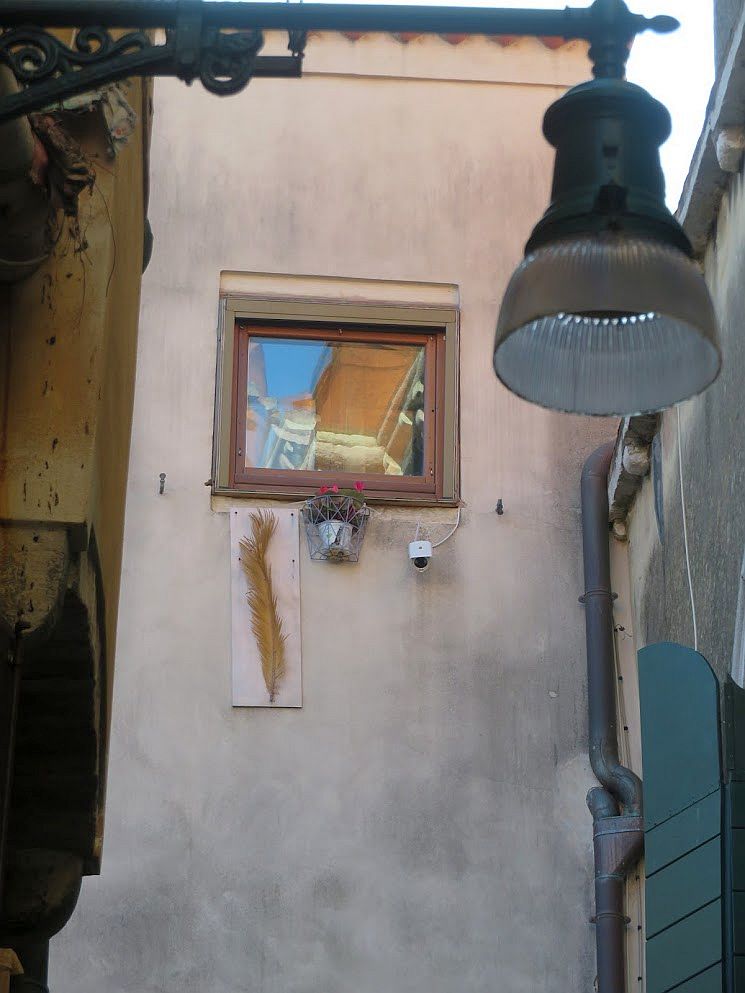
I followed the link to your splendid post of last October, in which you talked about the “gizmos” used in Veniice to keep the shutters open (the “clips on the wall” as you call them in today’s post. I am sure Lino must have told you how we call them here in Venice, but in case he didn’t let me say it here. They are called the “ometti” (little men), and the name must be widely used in the Veneto, because I’ve heard it also from people from Treviso or Conegliano. In my home, they are in use most of the time, except in days when there is no wind at all one and can be lazy and let them stay down (in order to lift from the inside you have to stretch your body and arms quite much).
Thanks for this — I didn’t know they had a name. I wish we had them, but our shutters are left to fend for themselves. When the wind blows they don’t even try to fend, they just give up and close as far as the wind pushes them.
This was a great start of my morning with a mental excursion to Venice. A prelude to the real visit in June. After several tedious meetings with people that are actually paying good money for my time and advice and then choose to point-blank refuse to take in anything I say I just can’t wait to be in Venice. The famous Swedish alpine skier Ingemar Stenmark once said “there is no use in explaining to people who just won’t understand” and that’s about the size of it. Wonderful quote in Swedish though.
The drainpipe was definitly a curiosity of its own, like “why do something simple when it can be made wonderfully complex”, and last year’s (i suppose) palm leaf to go with it. Oh, well. As easter is soon upon us I suppose they’ll replace it after Palm Sunday.
Cheers from Solna!
I have to defend the drainpipes as unusually efficient, well-made, and even somewhat lovely in their way. I especially like the joint that connects them. I hope you will look at them again with an open mind.
I didn’t say something was wrong with the drainpipes, did I? 🙂
They seem charmingly quirky and just a bit overcomplicated but then, again, what do I know about drainpipes? I also guessed that the palm leave is a memento from last year’s Palm Sunday so it would be replaced annually?
I myself don’t know anything about drainpipes except the basics: You’ve got water running down and it needs to be contained in the process. It seemed to my ignorant eye that the two pipes were placed where water was destined to be coming out, and joined in order to make one exit for both of them. Excuse me if I’m insulting your intelligence, but I can’t see where any complication is involved. Still, if you see a simpler way to accomplish the same goal, I’m ready to learn something. As for Palm Sunday, I’ll be on the lookout. It would have to be a group that favors the ultra-traditional, I guess, because parishes here don’t distribute palm fronds but olive twigs and branches instead on Palm Sunday, and olives obviously existed in Biblical Jerusalem. (See: Olives, Mount of.) A Polish friend says they distribute pussywillows on that important day, but I’m guessing they don’t call it Pussywillow Sunday. I should have asked.
Erla, you’ve done it again! Thank you so much for sharing the pictorial marvels that Venice offers us.
Wonderful post and photos/perceptions. I’m swilling coffee and cracking up. I’d love to take a walk through the city with you!
I’m here any time, just give me ten minutes to get my shoes on and off we’ll go. I wish you’d come back more often!
Thanks Erla, just what I need after being ill. Can’t wait to be there next month.
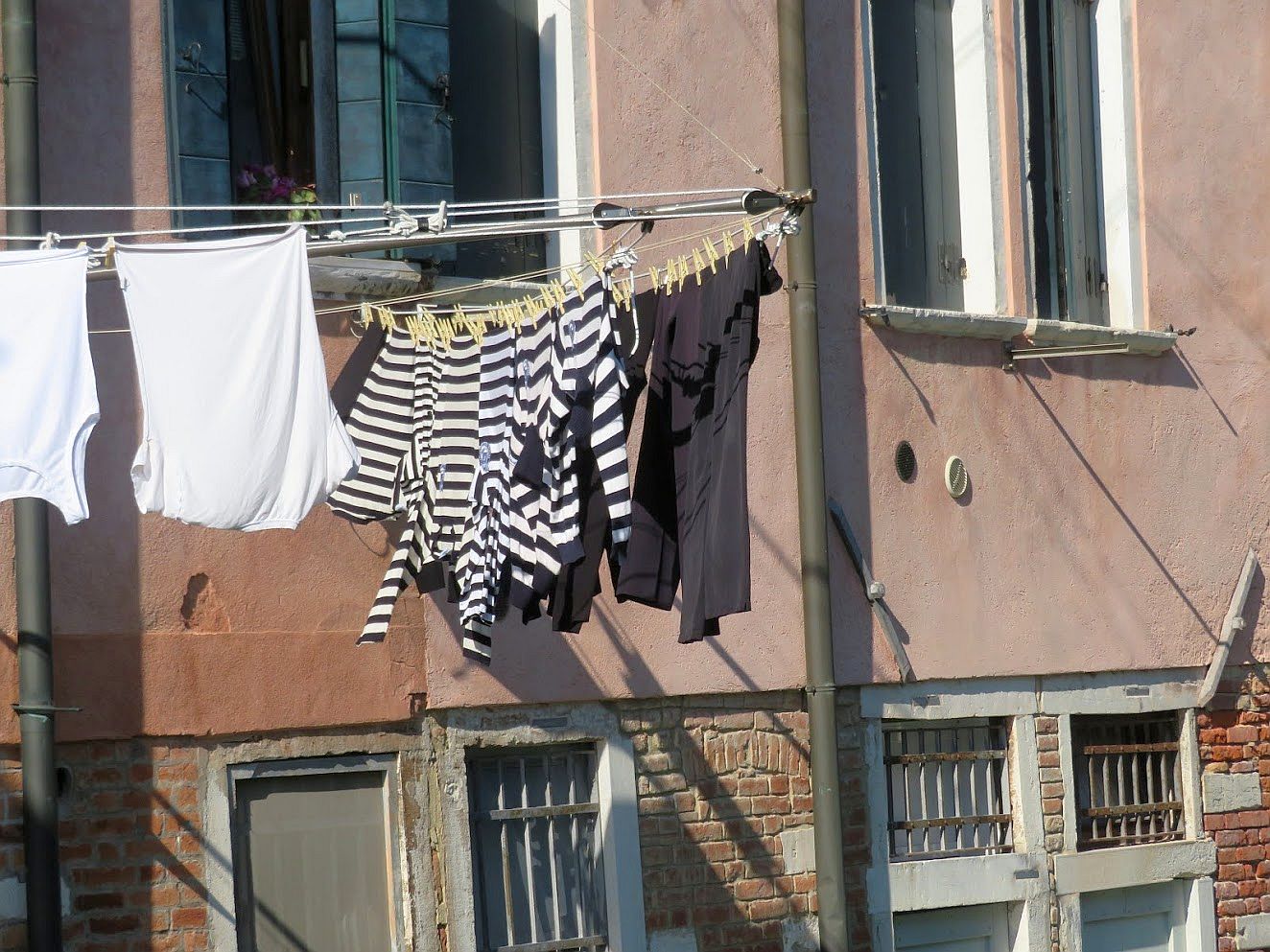
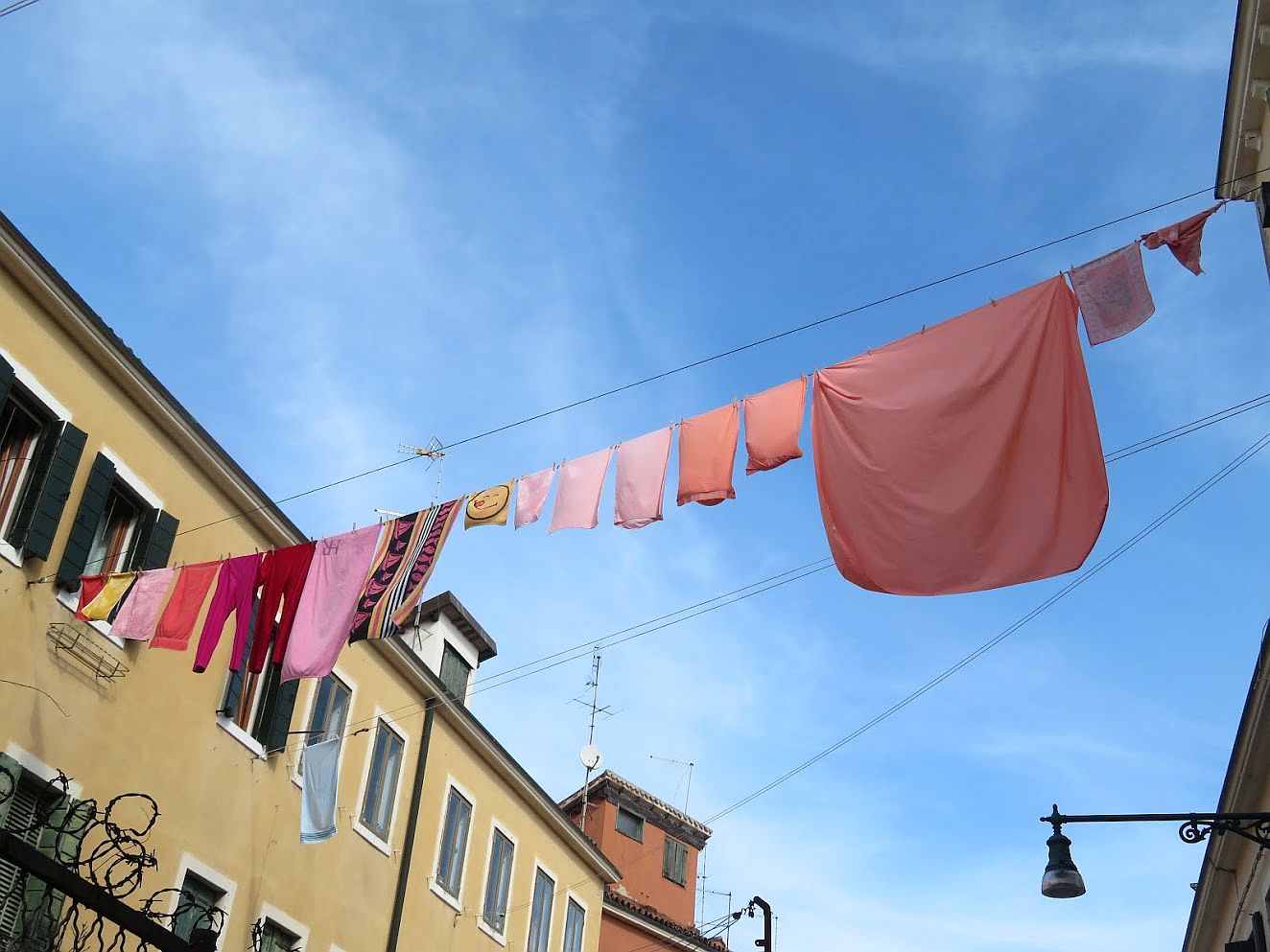
From the opening oblique Gregor Mendel reference to the closing Bring it on, this post is a delight! It’s fun to slow down and look at the minutia of everyday life.
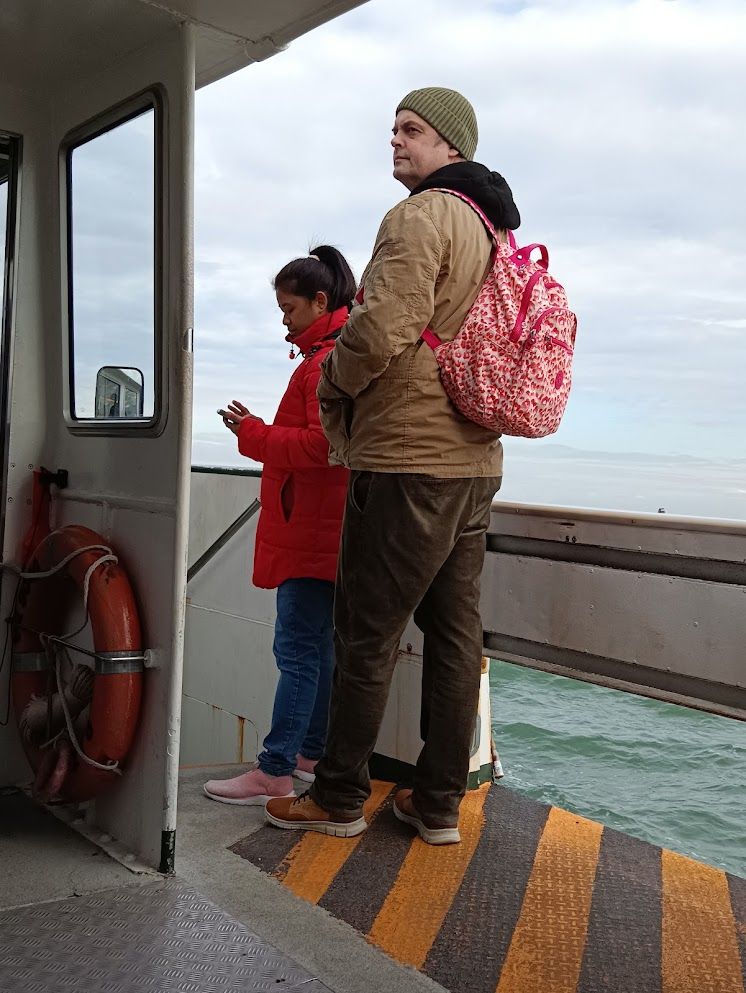
Your photo of the blondes remind me of the most excruciating picture caption I ever encountered, for a picture of a worshiper in San Marco. National Geographic 1970: “Titian tresses laved in light cowl a worshiper in St. Mark’s, crown jewel of a sovereign city.” Even as a teenager, that caption had me gagging. Yet, it had staying power… 55 years later, I still remember it!
Thanks again for your witty intermittent posts!
You know, that sentence is so different from the English we read every day it’s verging on Chaucerian. It may be gag-inducing but I blow a kiss to the person who wrote “laved” and to all the editors who were just fine with it. Conclusion: There once was a time (IN MY LIFETIME) when somebody rose above the mundane minimum 500 words (or whatever the number is) for basic communication and attempted telegraphic poetry. When I was writing for National Geographic a mere decade later a word like that would never have made it into print.
Ah yes, brevity v. poetry. I just finished reading a contemporary novel that is all brevity, stacatto, even successful and intelligible incomplete sentences, yet not an ill-chosen or misplaced word.
Next I plunge into the elegant extravagance of Edith Wharton. No doubt my subsequent business emails will take on an Edwardian hue. 🙂
Thank you so much Erla, I felt like I was back in Venezia!
Thank you for a wonderful spring walk and Venetian views with a twist (or a pinch of salt, I should say?)… memories flooding back…
You make Venice come alive for me! Thank you so much — lightened up or not, you are essential reading/seeing Venice.