bows of happiness
“Three things remain to us from paradise: Stars, flowers, and children.”
This enchanting statement is often attributed to Dante Alighieri; I regret to say that no evidence supports this. So rather than waste time grappling amongst a thousand footnotes for the truth let’s agree that the very talented Anon. wrote it.
It came to mind because of Sophie’s arrival across the canal from us on January 4. I don’t know her; I haven’t seen (and, strange to say, haven’t even heard) her. I only know that she’s a new neighbor and she has brought joy with her.
So in the spirit of Anon.’s poetic observation, here are a few glimpses over the years of these particular remnants of paradise scattered around here. Flowers and stars will follow.
CHILDREN
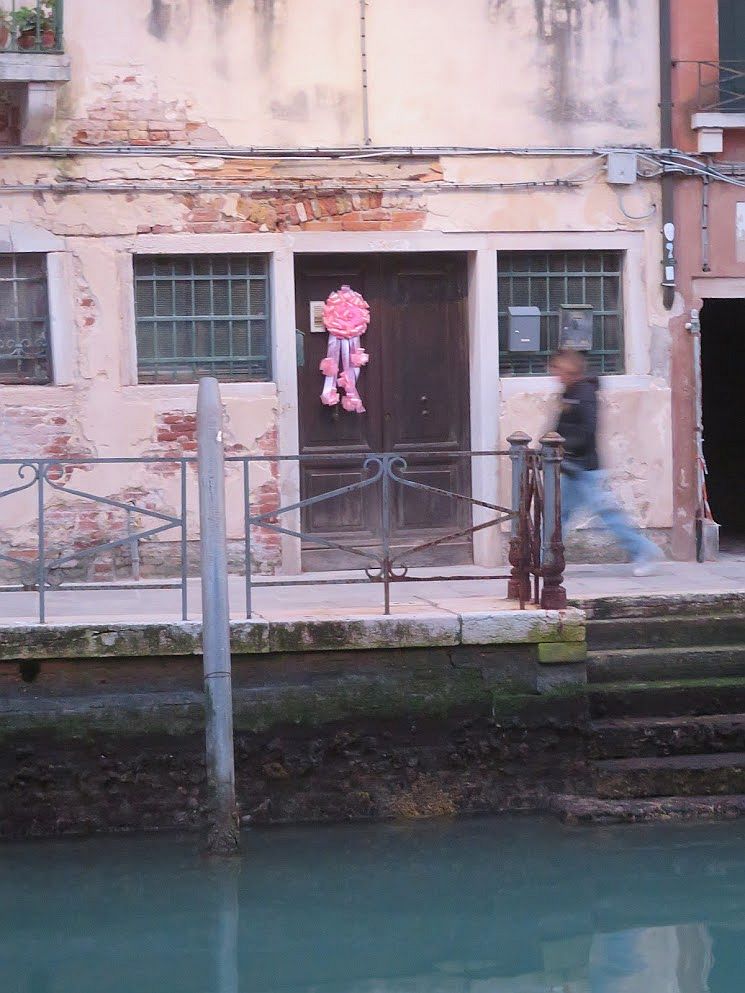
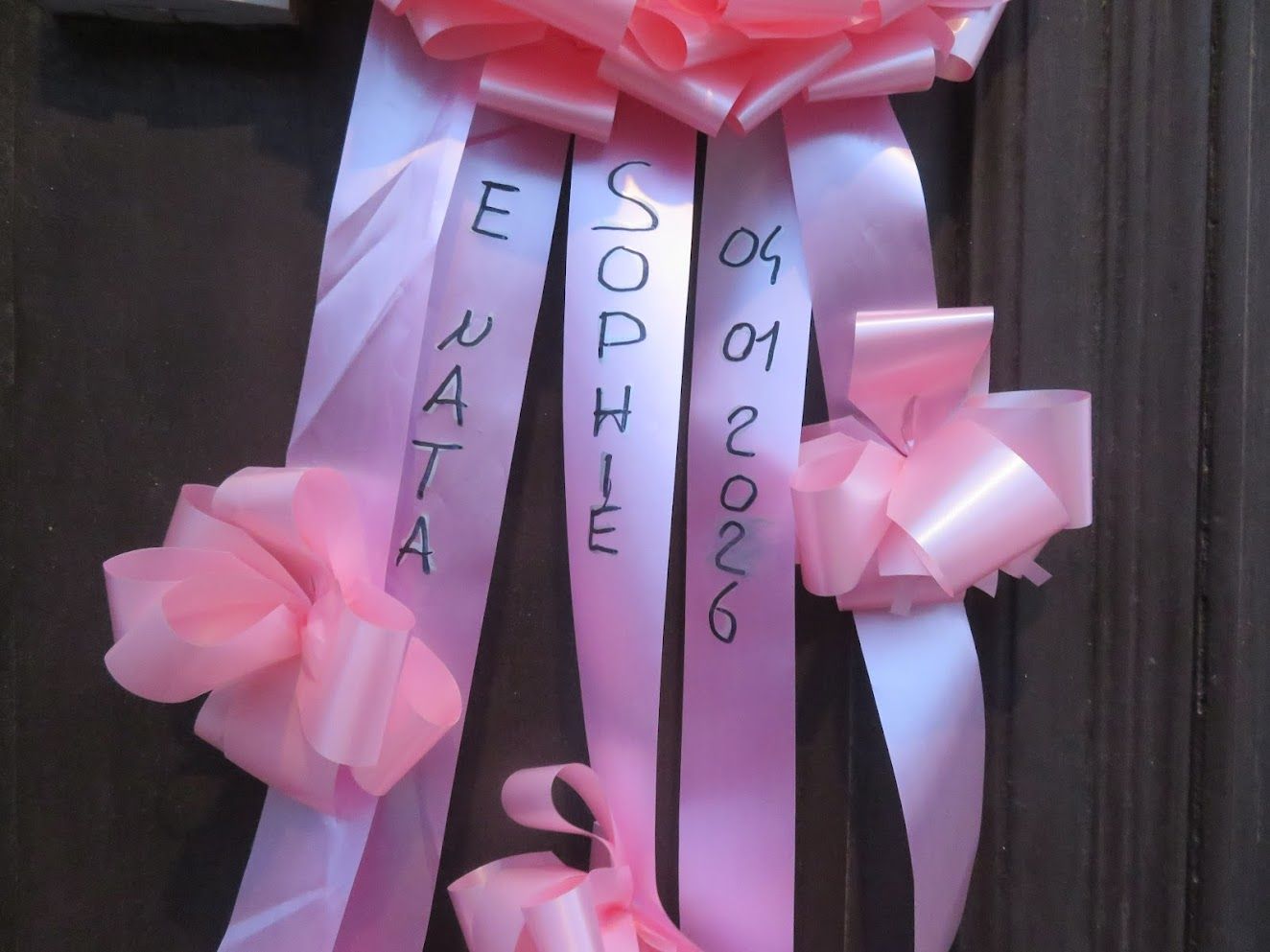
I’m always on the lookout for the welcome ribbons. Pink for girls, blue for boys, as you know. They always make me feel a bounce of hope.
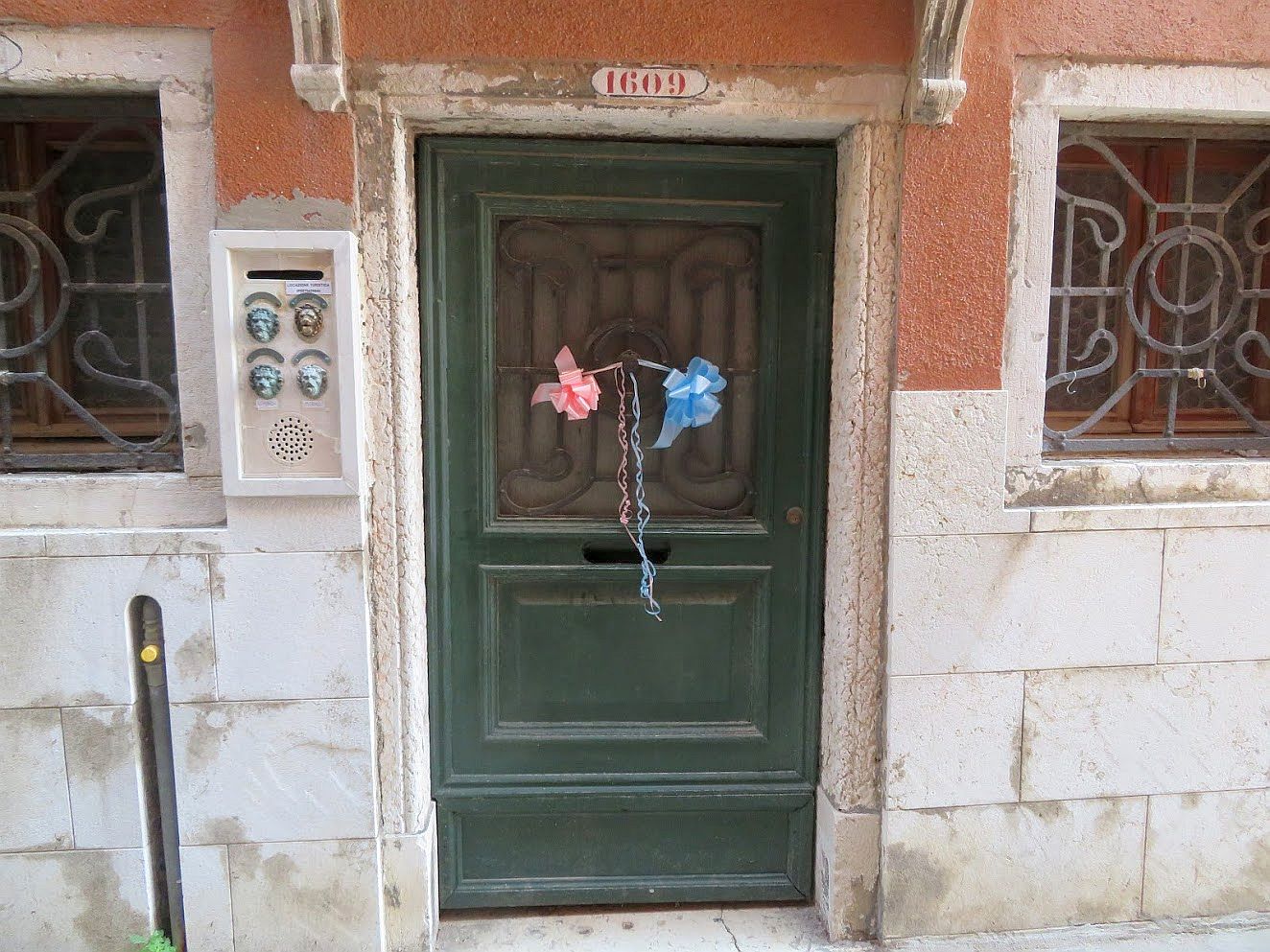
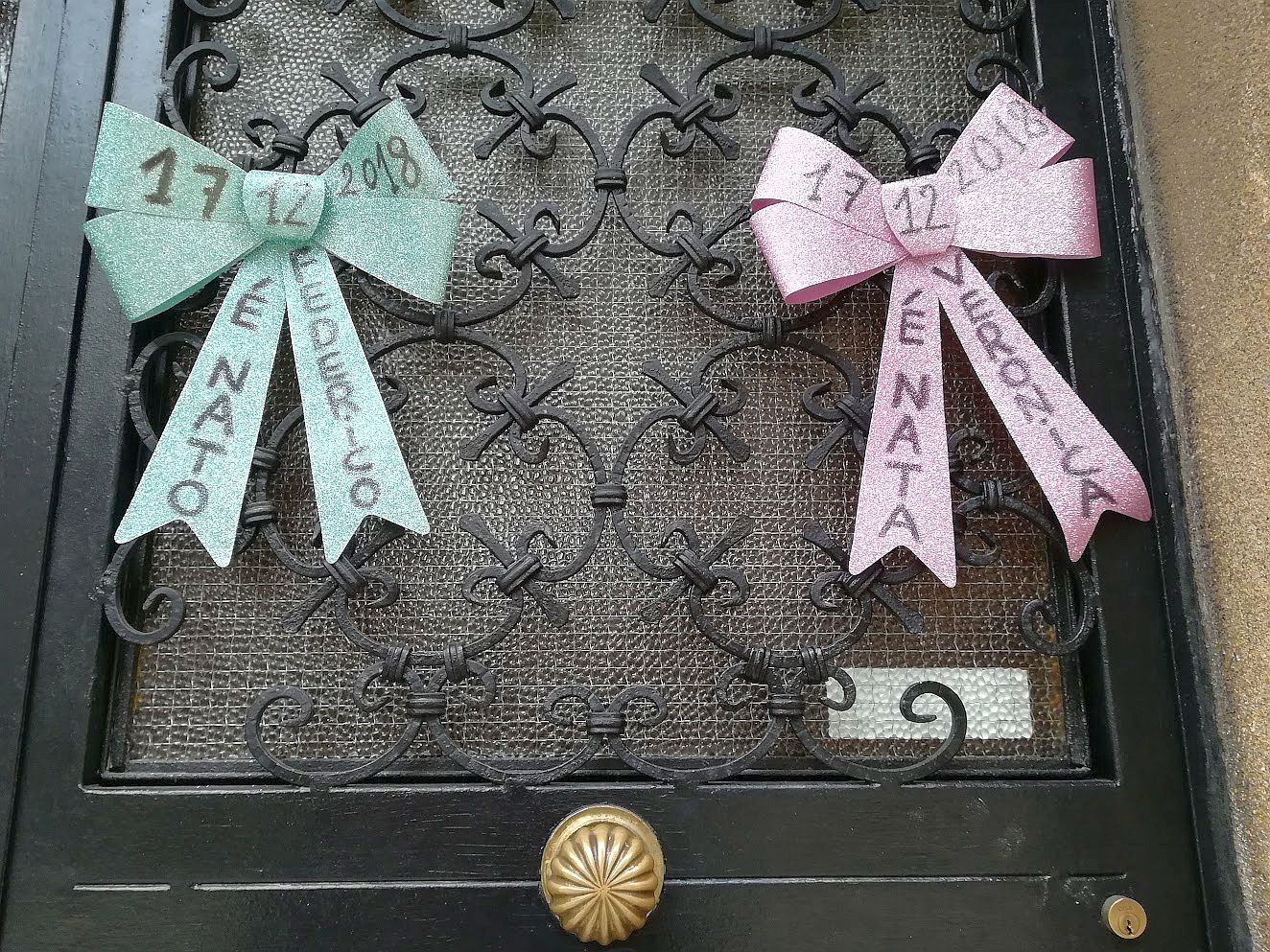
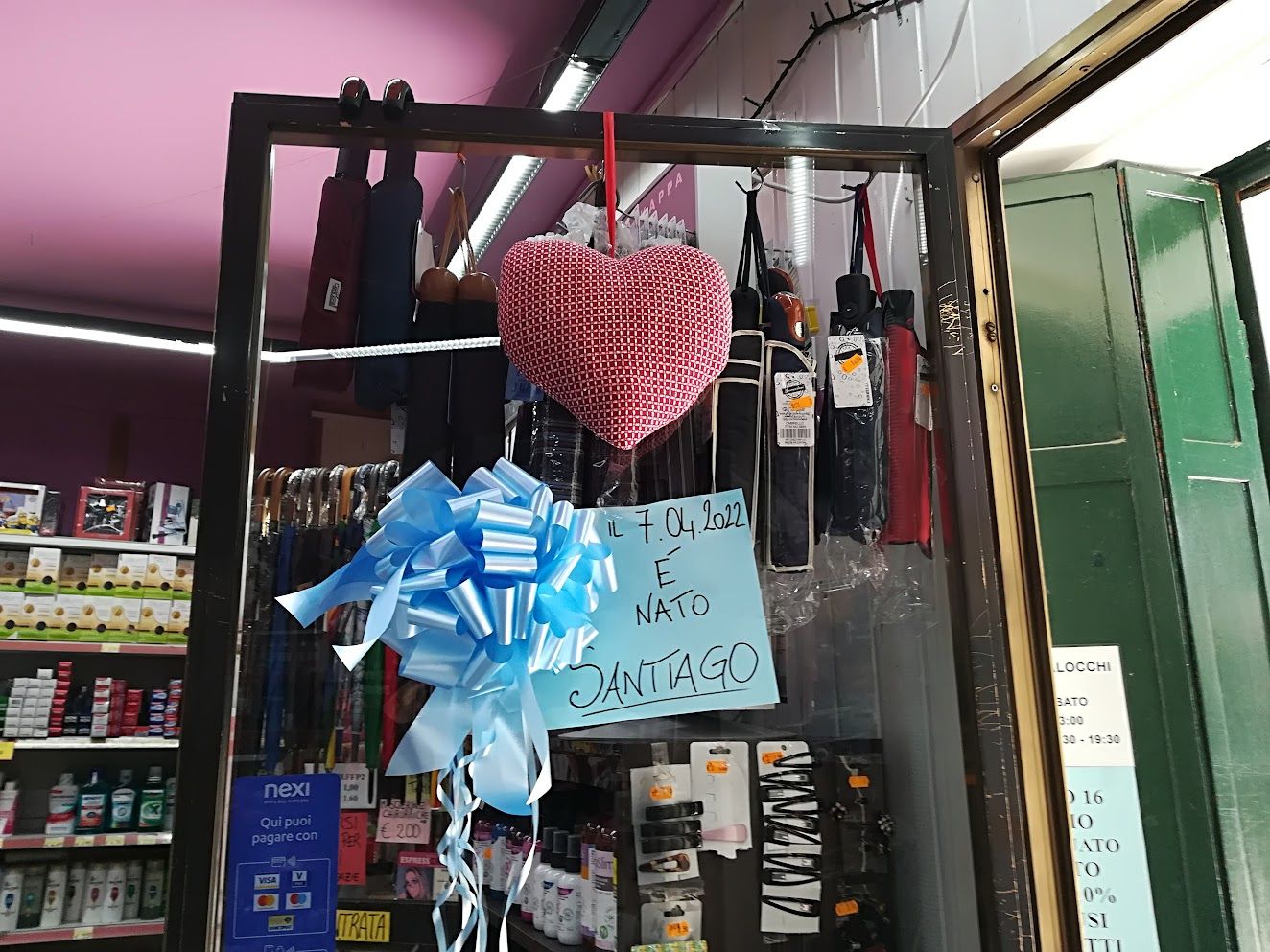
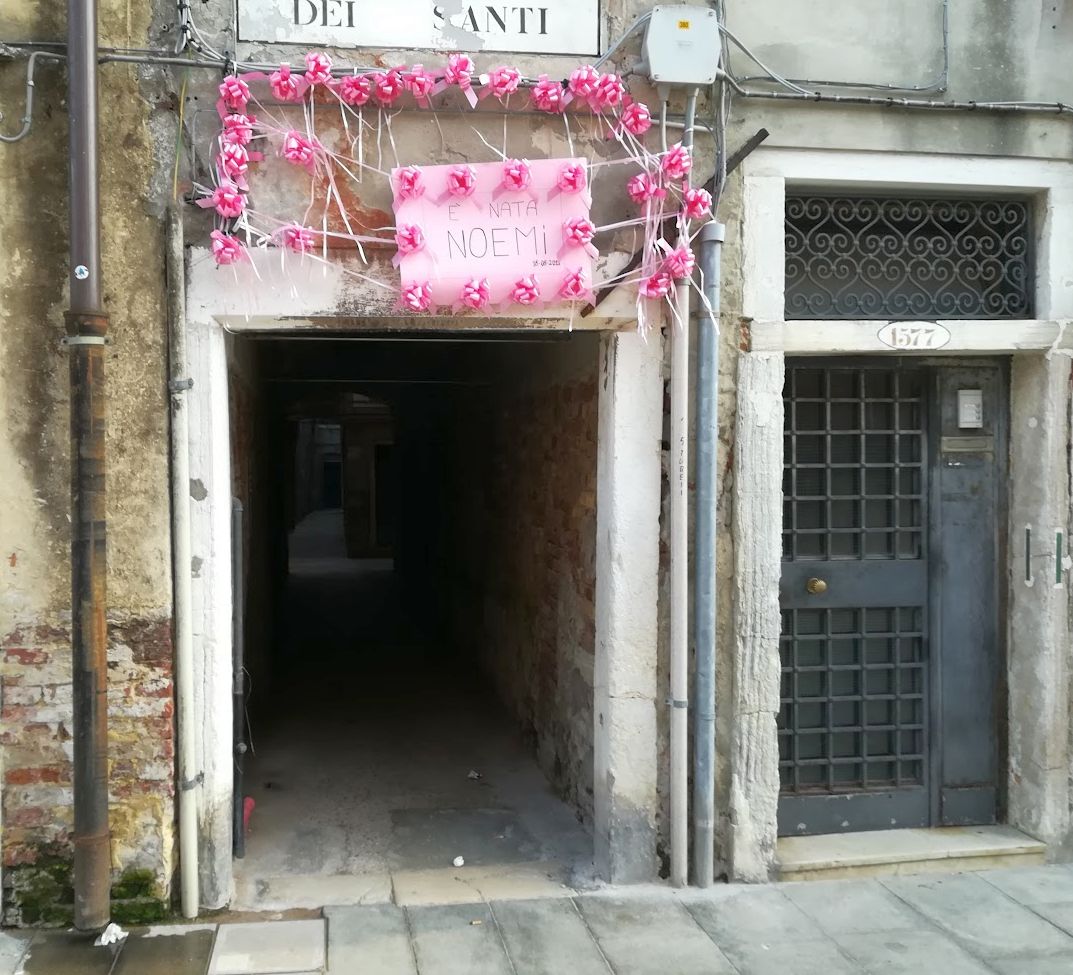
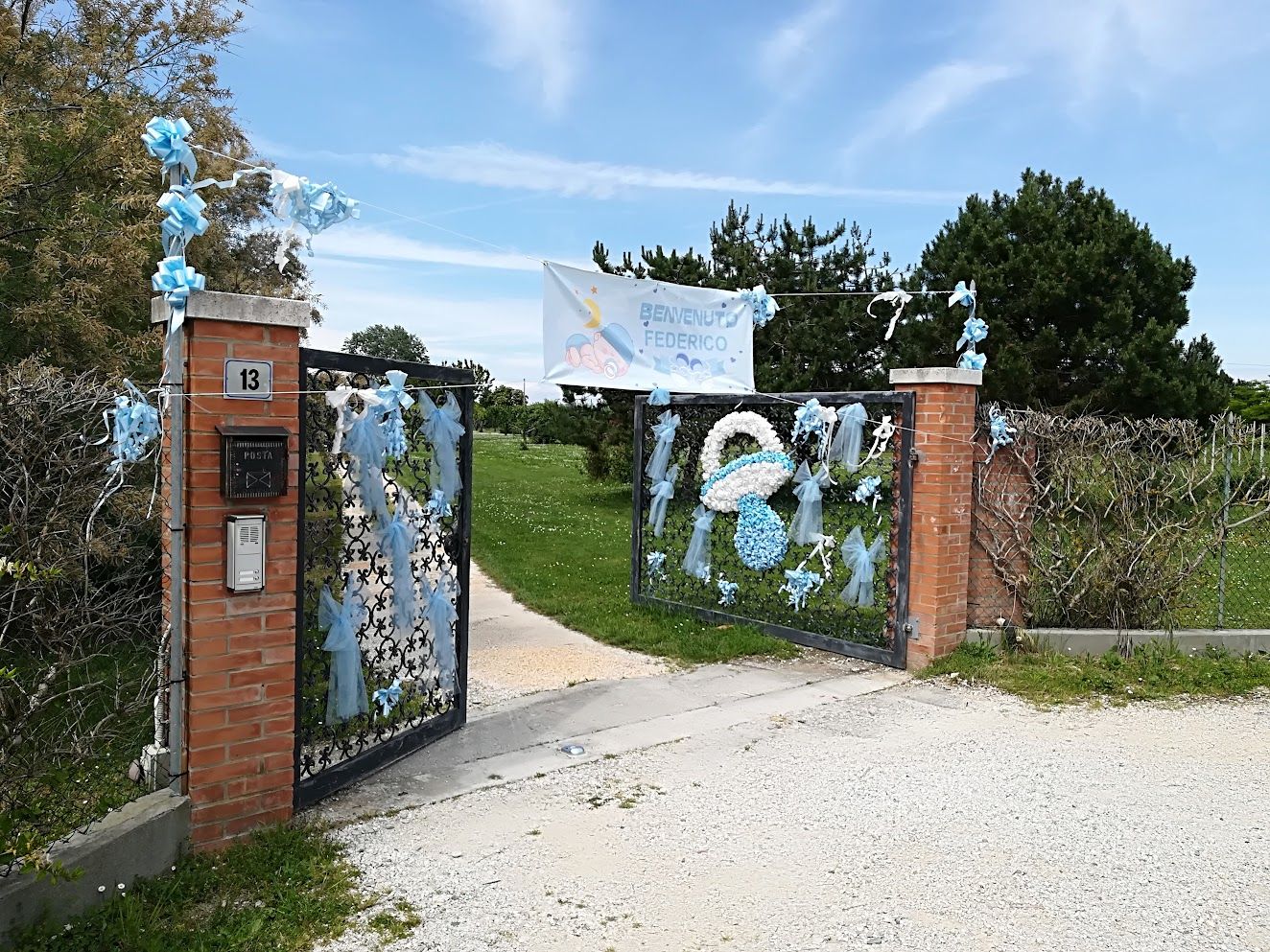
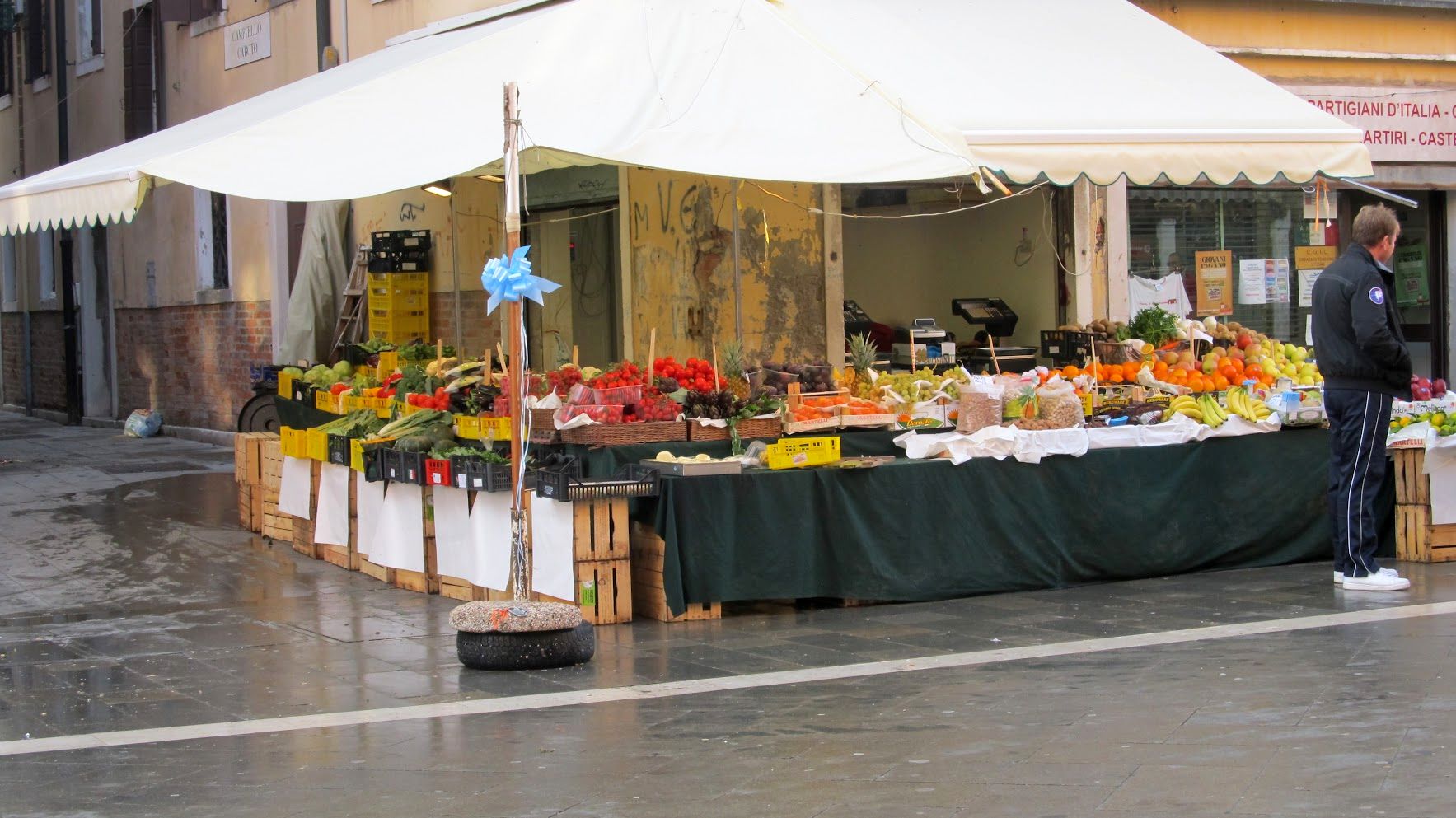
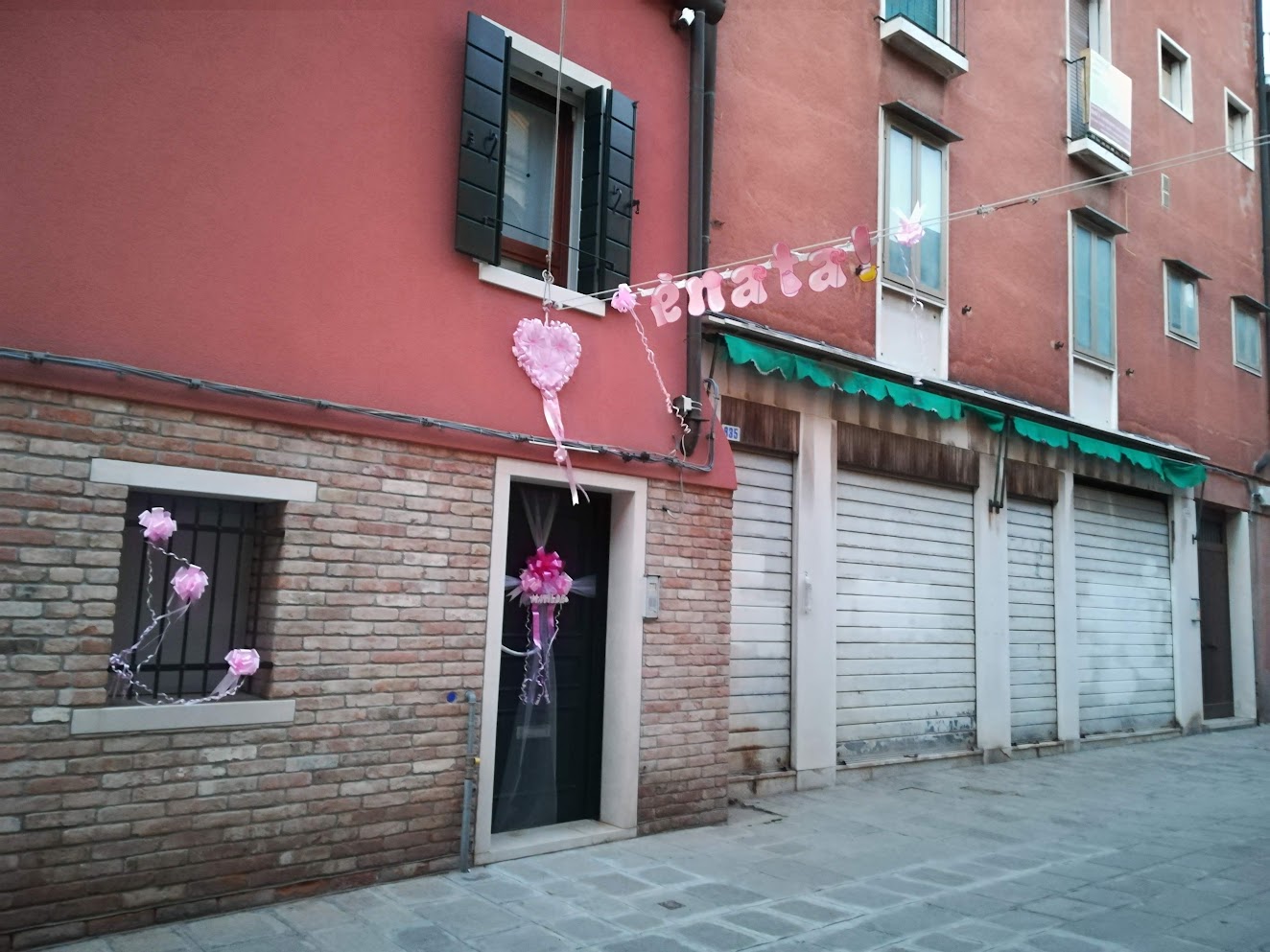
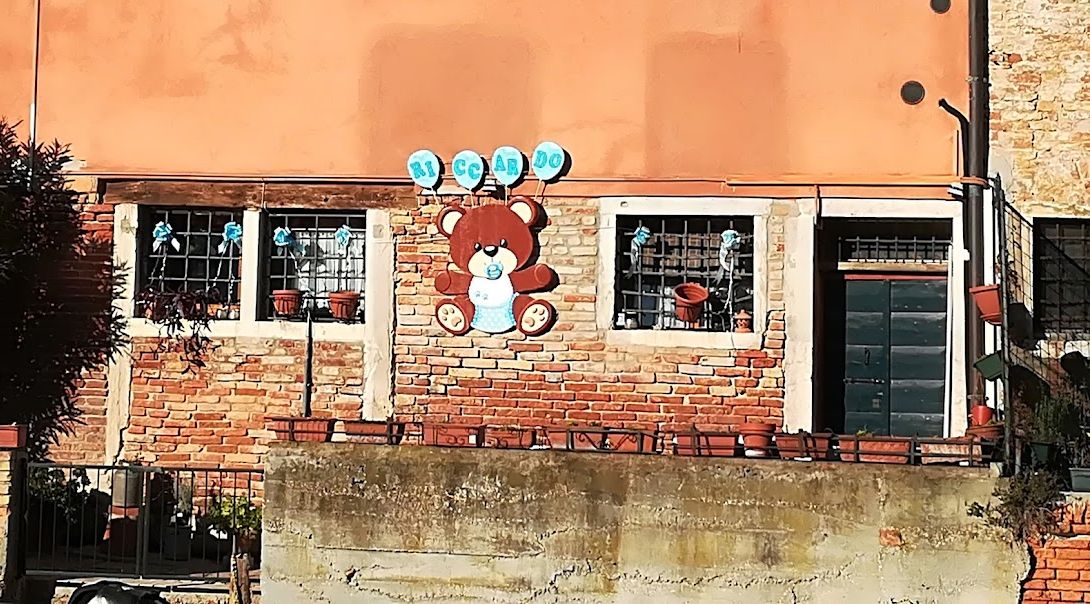

INTERLUDE: A summer stroll around Pellestrina, August 7, 2022. I was there on a typically sweltering summer Sunday to watch the annual local Venetian rowing races. With at least two hours to spare, I had plenty of time to lollygag. This was not at all my first time to this lagoon outpost of some 3,000 souls, so I wasn’t expecting surprises.
But surprised I was, to discover that the Stork had been working overtime. The number of ribbons I found tied to so many houses seemed almost like some sort of game. I won’t hazard any theories as to why a regiment of births had marched through this modest municipality in early August, though I’d like to know what had happened during the preceding November. Massive power outage — no TV but lots of candles? A village-wide festival of wine or grappa that got out of hand? Did a whole cohort make some crazy bet? Is it a cult? Articles continually come out lamenting Italy’s falling birth rate. Maybe they should come to Pellestrina and test the water?
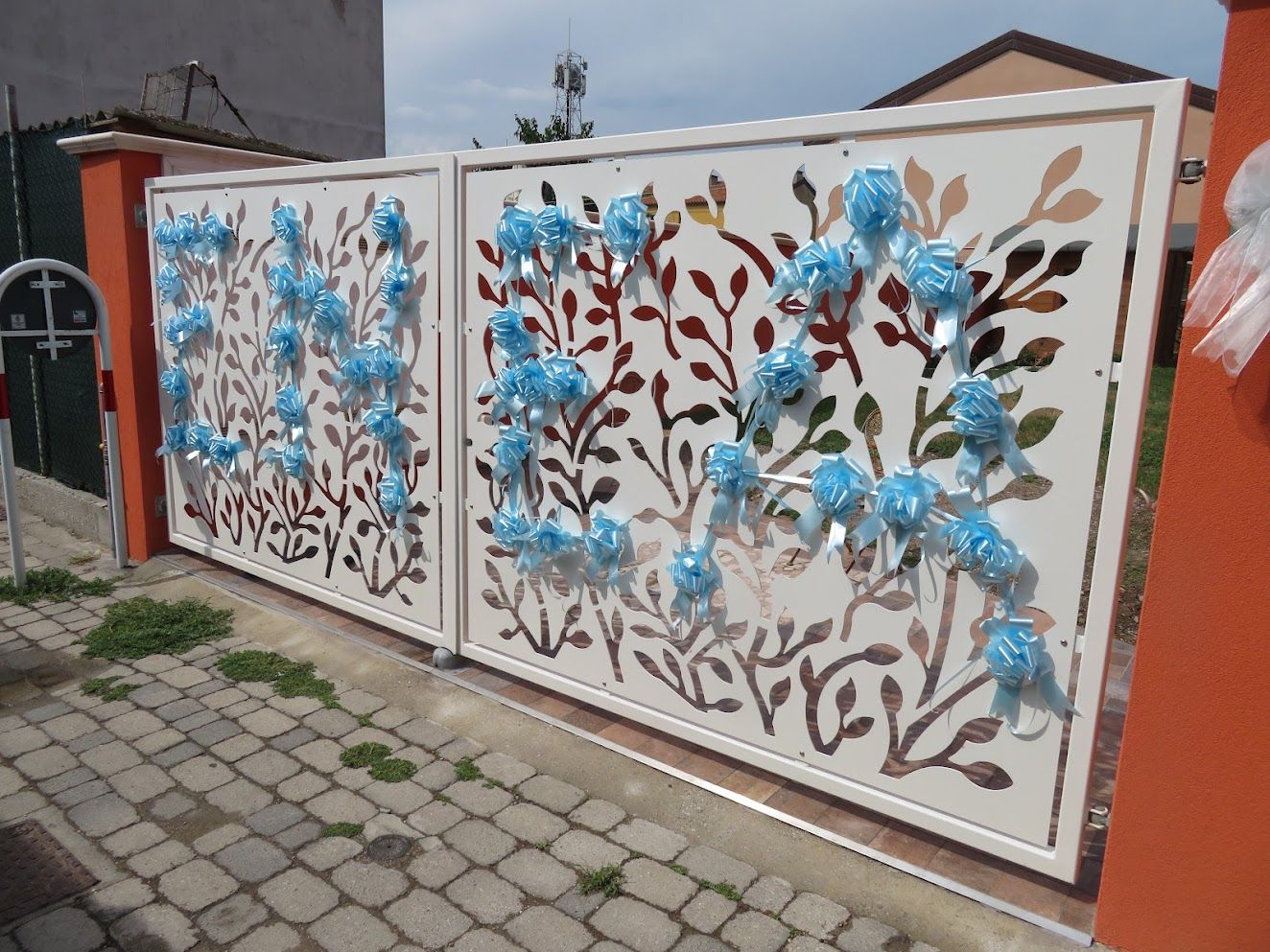
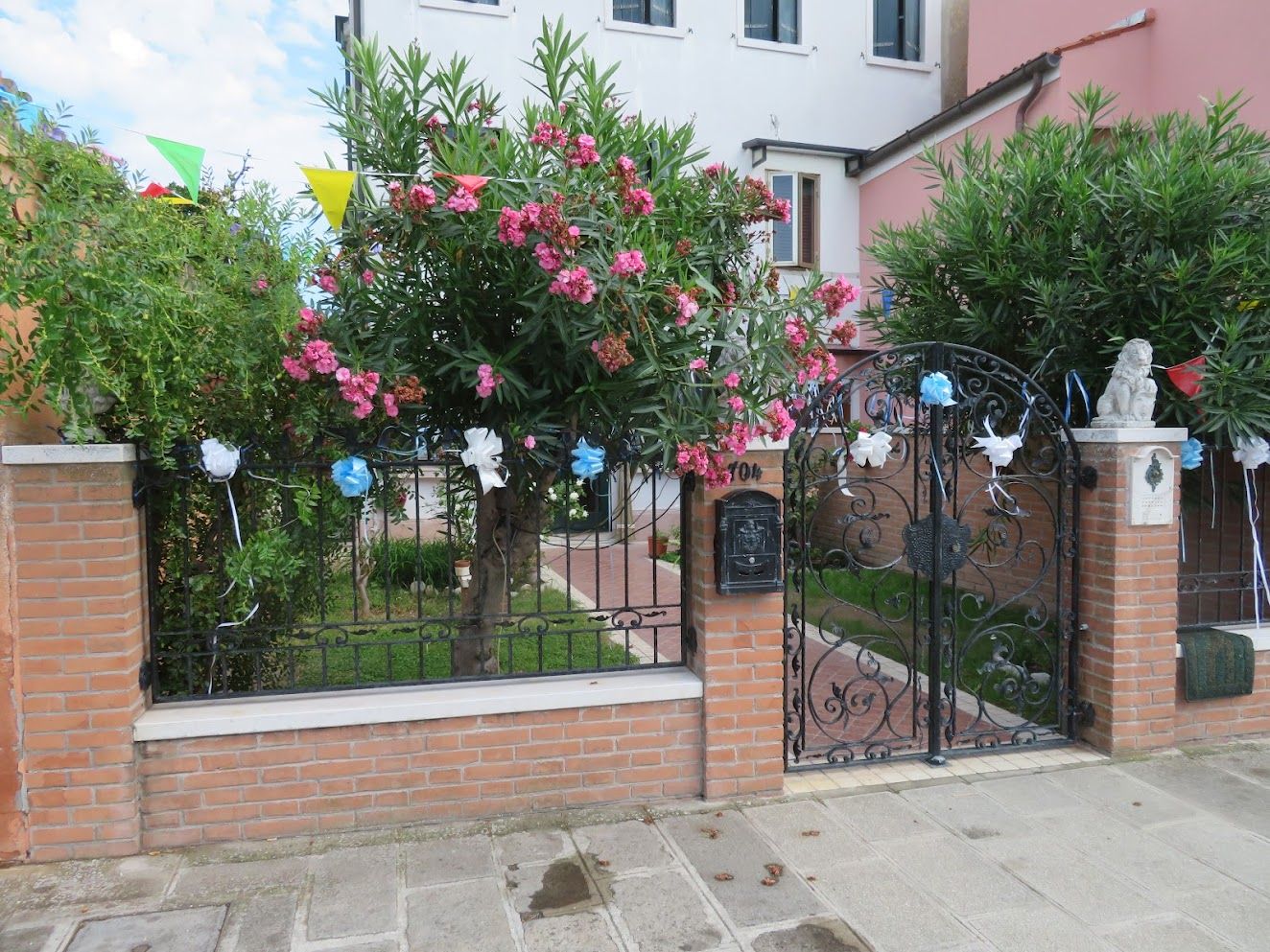
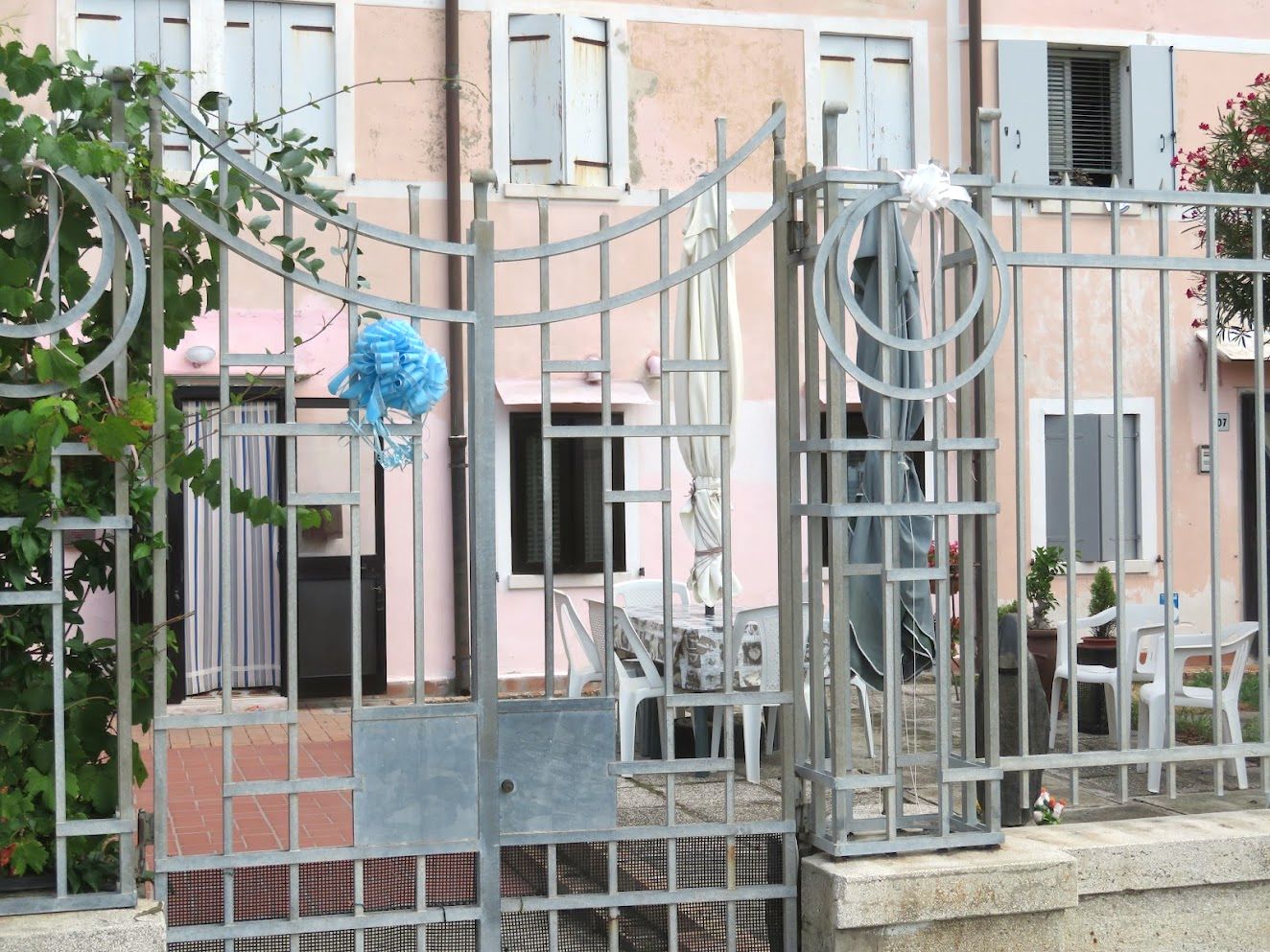
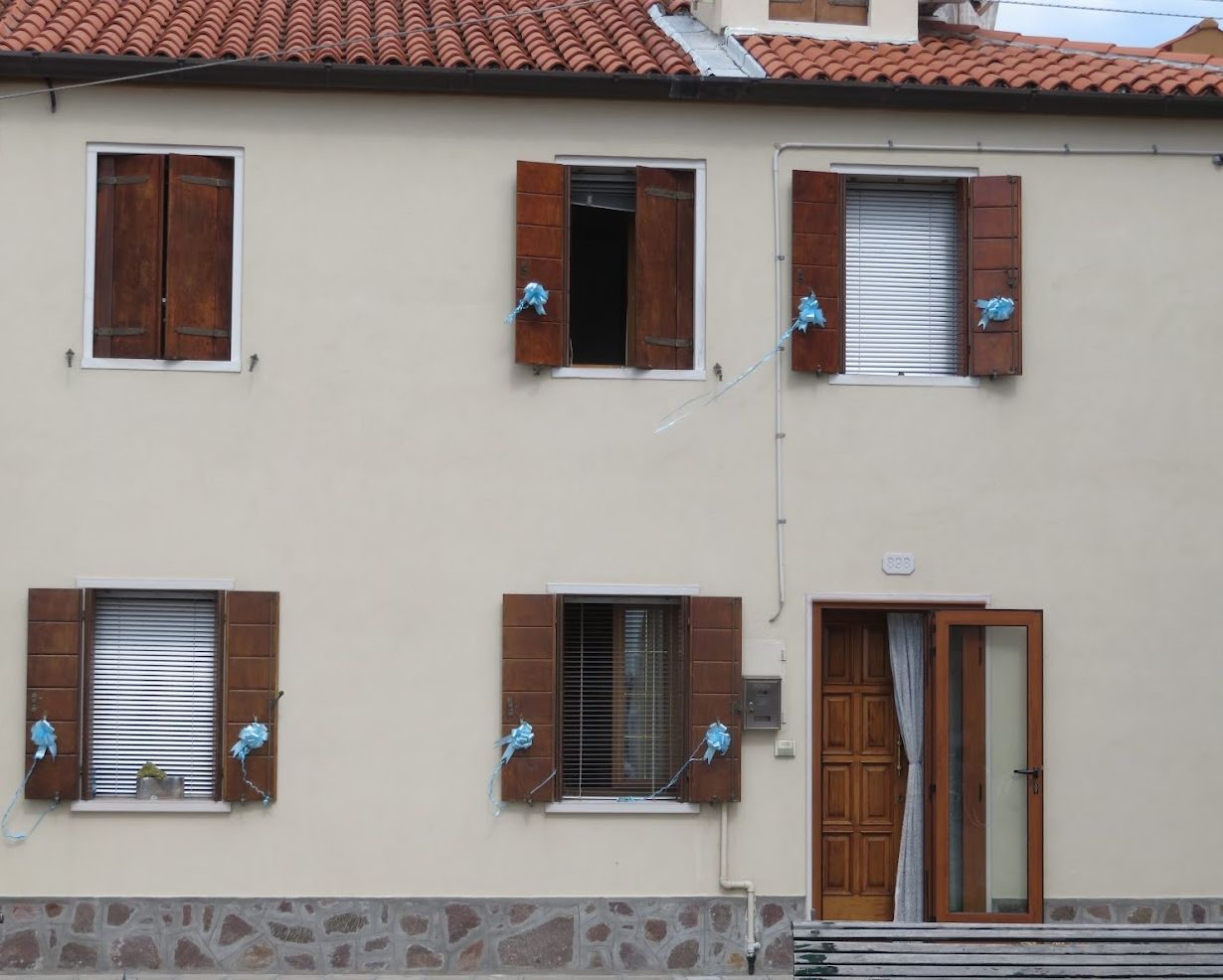
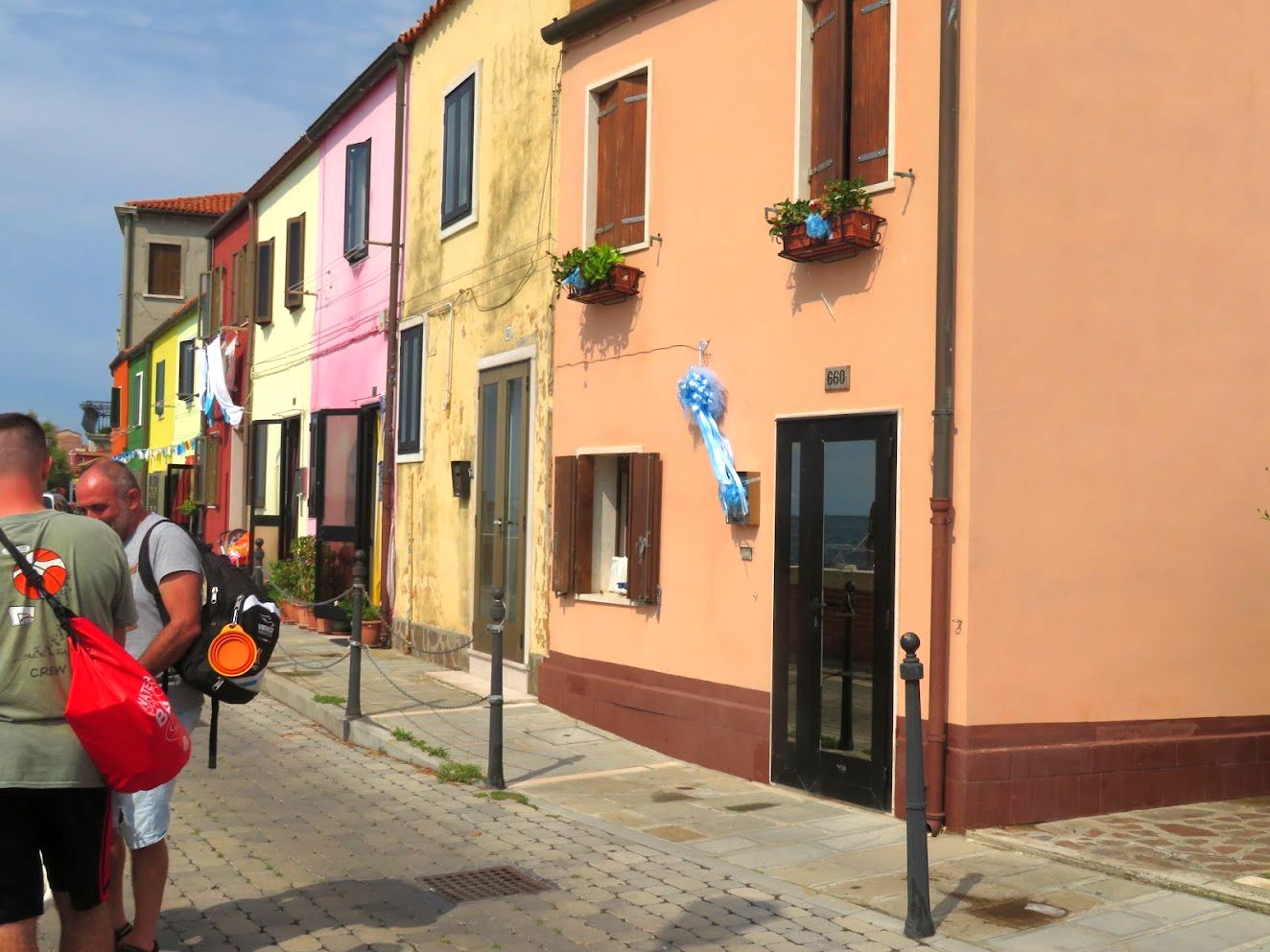
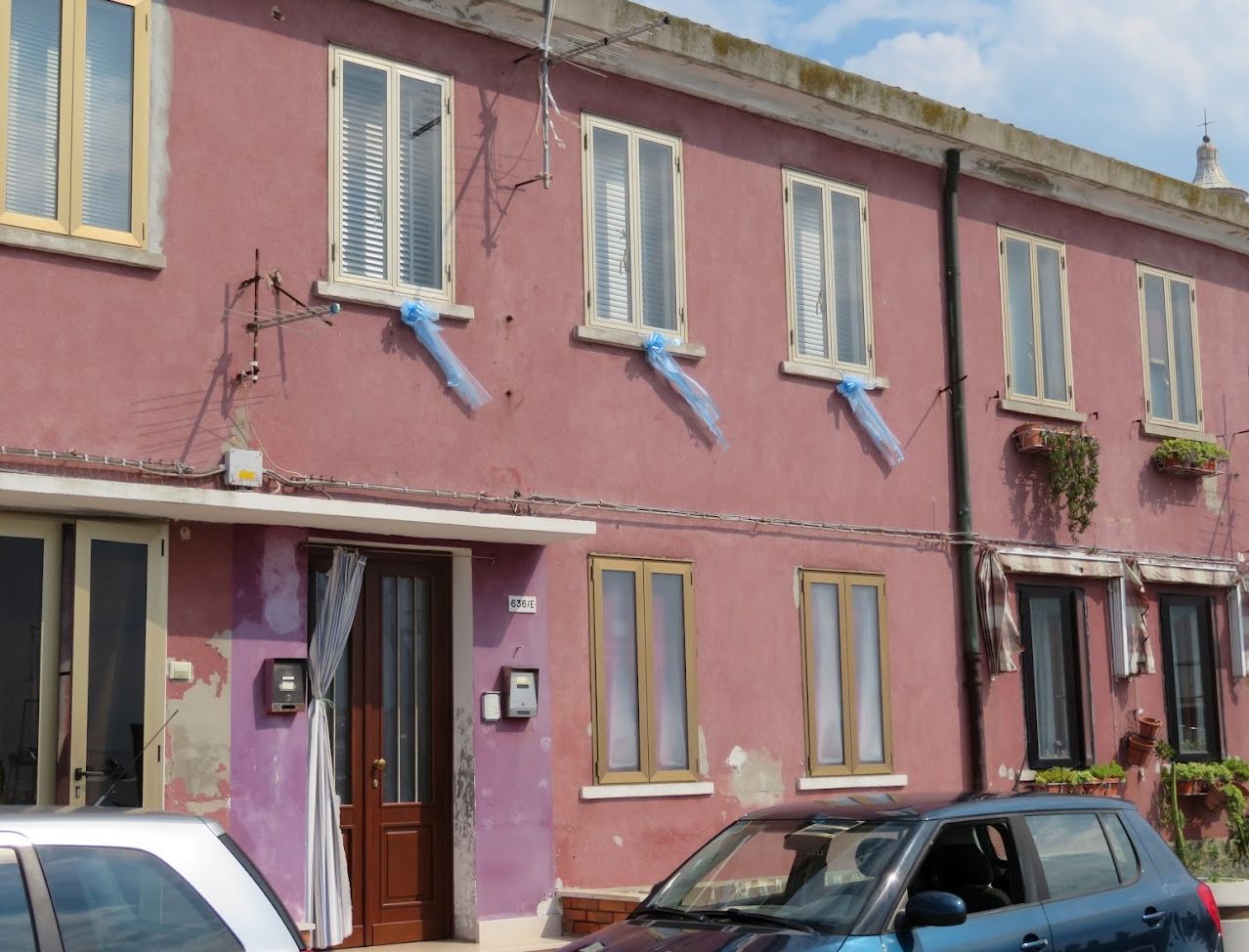
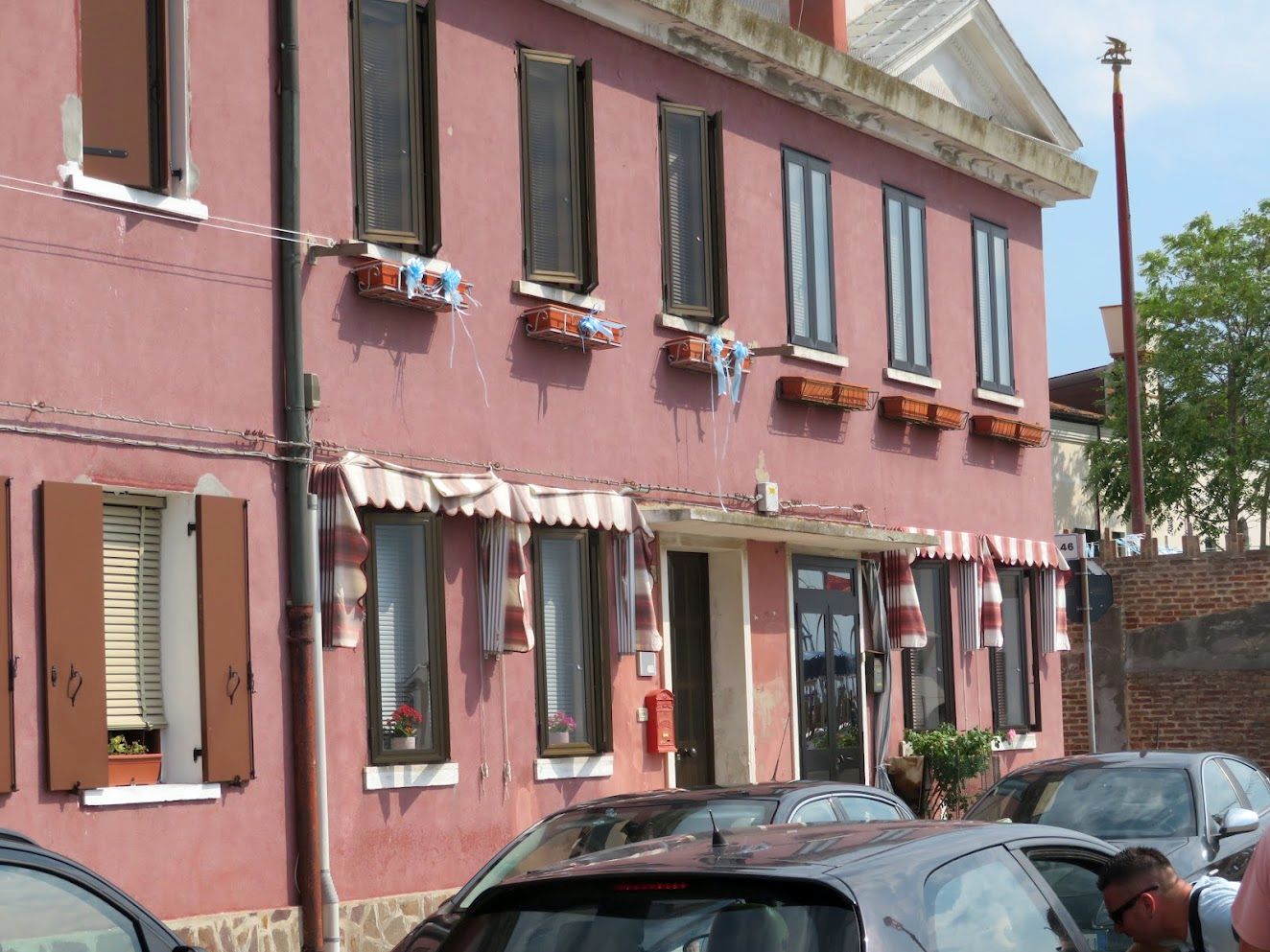
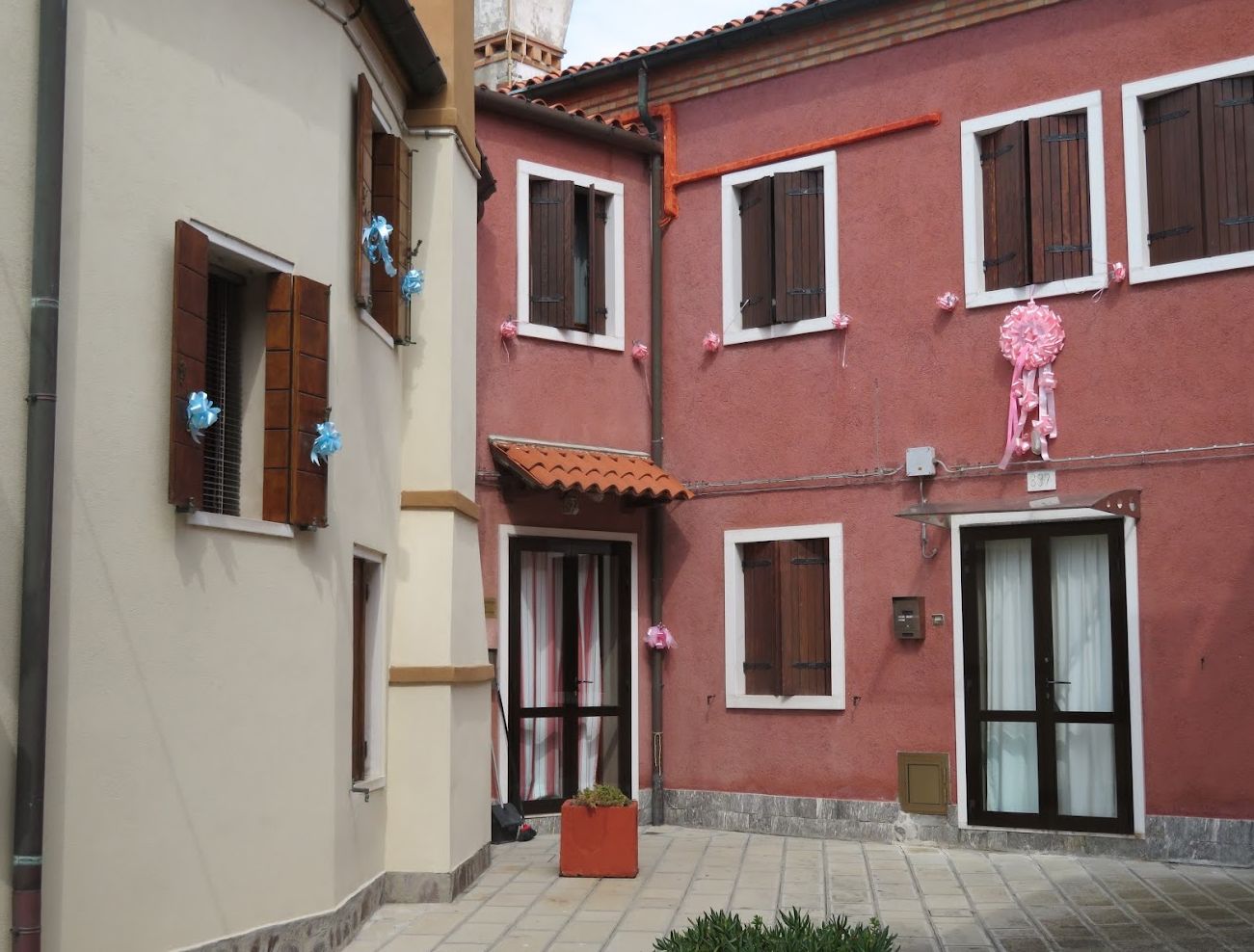
Years ago I read a little report in the Gazzettino. The parish priest of Pellestrina — I’m pretty sure that’s where he was — had just happily celebrated the baptism of a new arrival. And he asked, “Why do we ring the church bells only when someone dies? We ought to ring them too when a baby is born.”
He’s not wrong.
Perusing Venice
One of several reasons why there has been a lapse in my postings is that there is an atmosphere of lethargy in the city which translates into “not very much to write about.”
Of course there’s always plenty if one wants either to dig far enough, or continue blotting the spindrift from the waves of unsolved, or unsolvable, problems. But since the city government collapsed in a heap last June, the many problems which continue to afflict the city are almost always reduced to “Money, lack of.” And writing about Money, lack of is not only monotonous, but also pointless. And depressing.
Of course, “no ghe xe schei” has been the convenient phrase inserted into every situation for years, even when there was money; it was an excuse which the city administrators could turn on and off at will, as if it were the radio. Then we discovered that there really wasn’t any money anymore, because it had been given to most of the participants of the MOSE project. You know that sound when you’re sucking on a straw to get the last drops of your drink? The silence I’m referring to is the sound of ever-longer pauses between the municipal mouth and the municipal funds. Not many drops left, but if you stop sucking it means you’ve given up, and we can’t have that.
Apart from what it signified, I’ve enjoyed this somnolent January. We’ve had beautiful weather, and very few tourists. But now that Carnival is bearing down upon us (Jan. 31 – Feb. 17), that’s about to change. Thirty days of tranquillity isn’t enough, but it’s all we get.
The tranquillity induced us to take a few uncharacteristic aimless strolls. You know, like tourists do, and this confirmed what tourists know, which is how lovely it is to wander and what interesting discoveries you make in the process.
Here, in no particular order, is a small, confetti-like scattering of what I’ve seen recently.


You want me to go where??

One day in 2007 a bronze sculpture suddenly appeared in the water between the Fondamente Nove and the island of San Michele.
It represents two men standing in a boat, one of them pointing somewhere important.
If there had been an announcement about this innovation, I missed it, because I was compelled to try to figure out what it was all by myself.
I failed; in fact, I didn’t even come close. My main theory was that it was Saint Francis with one of his disciples. Logic! Because it is said — or even known — that in 1220 the “Poverello,” returning from the Fifth Crusade, stopped in the Lagoon and founded a hermitage on the little island now known as San Francesco del Deserto.
I was slightly troubled by the consideration that if the armless man in bronze were St. Francis, why wasn’t his companion pointing to the island he adopted — or toward Venice, at least? The statue is pointing more toward Murano, but that makes no sense, even if it is something from the Biennale, whose components are not supposed to make sense.
Then I thought it might be some representation of Tennyson’s “The Lotos-Eaters”: “Courage!” he said, and pointed toward the land, / “This mounting wave will roll us shoreward soon.” / In the afternoon they came unto a land / In which it seemed always afternoon.” Mounting wave: check. Plenty of those. It’s a start.
But now I know the truth, and it’s more troubling than ignorance. Perhaps you’ve noticed that truth can be that way.
This pair of metallic men floating in what appears to be a pistachio shell is a creation of a Russian artist, Georgy Frangulyan, and it is known as “Dante’s Barque.”
Excuse me?
In the early 1300’s, a Florentine pharmacist and poet named Dante Alighieri took a trip to Hell — not the Piazza San Marco at noon on a summer Sunday, but the other Hell — in the company of the ghost of Virgil, the famous Roman poet, who acted as guide and fixer. They also went to Purgatory and Paradise, and he wrote the trip up in “The Divine Comedy.”
I knew all that a long time ago, but I never imagined that the creation installed in the Venetian lagoon depicted an interlude in the allegorical travels of the Supreme Poet and the author of the Aeneid — specifically, their preparation to be rowed across the Acheron, a boiling river of damned souls. Many congratulations to all.

There’s just one thing. Who came up with the idea that it would be cool to position a big statue showing two men heading for Hell pointing at the cemetery?
It was bad enough when the city’s funeral launches, which carry the coffins to the graveyard, had a big sticker on the stern bearing the name of the city’s garbage collection service. Thank God they finally stopped that.
But this isn’t much better. It isn’t any better. I realize we live in an era which has been deformed by irony and mockery, but that’s no excuse.
If I had to accompany my mother’s body to the cemetery, I would never want to know that those two characters are Dante and Virgil. You could tell me they’re George and Gracie; you could tell me they’re Crick and Watson; you could tell me they’re two of the Flying Karamazov Brothers.
But I’d appreciate your just leaving Dante out of it.