everything should be objected to

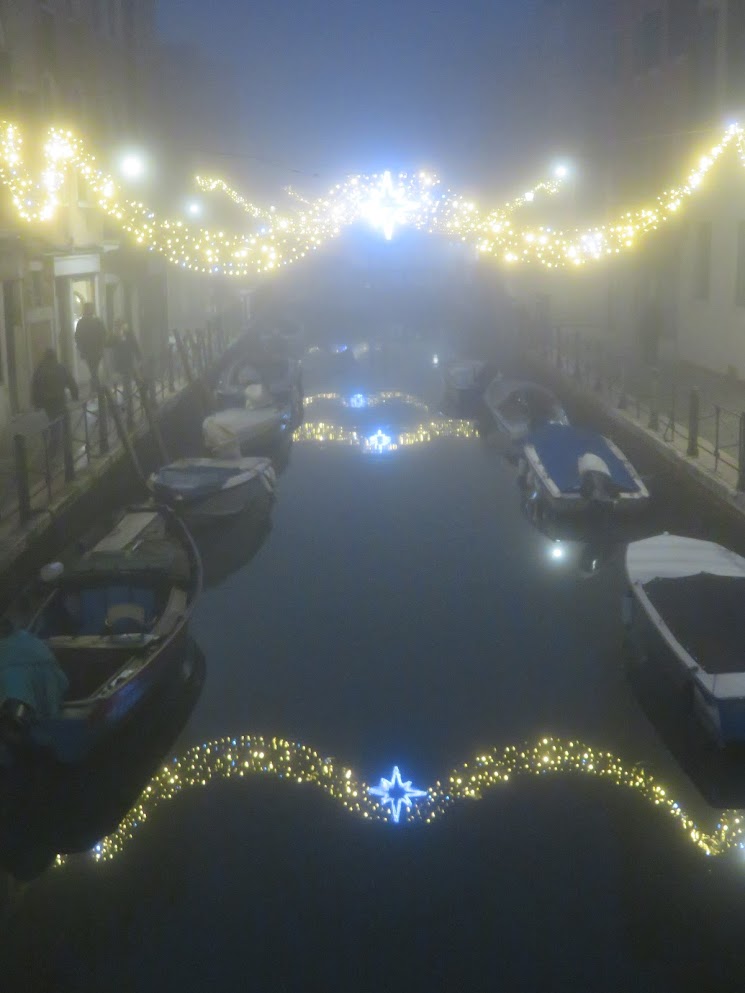
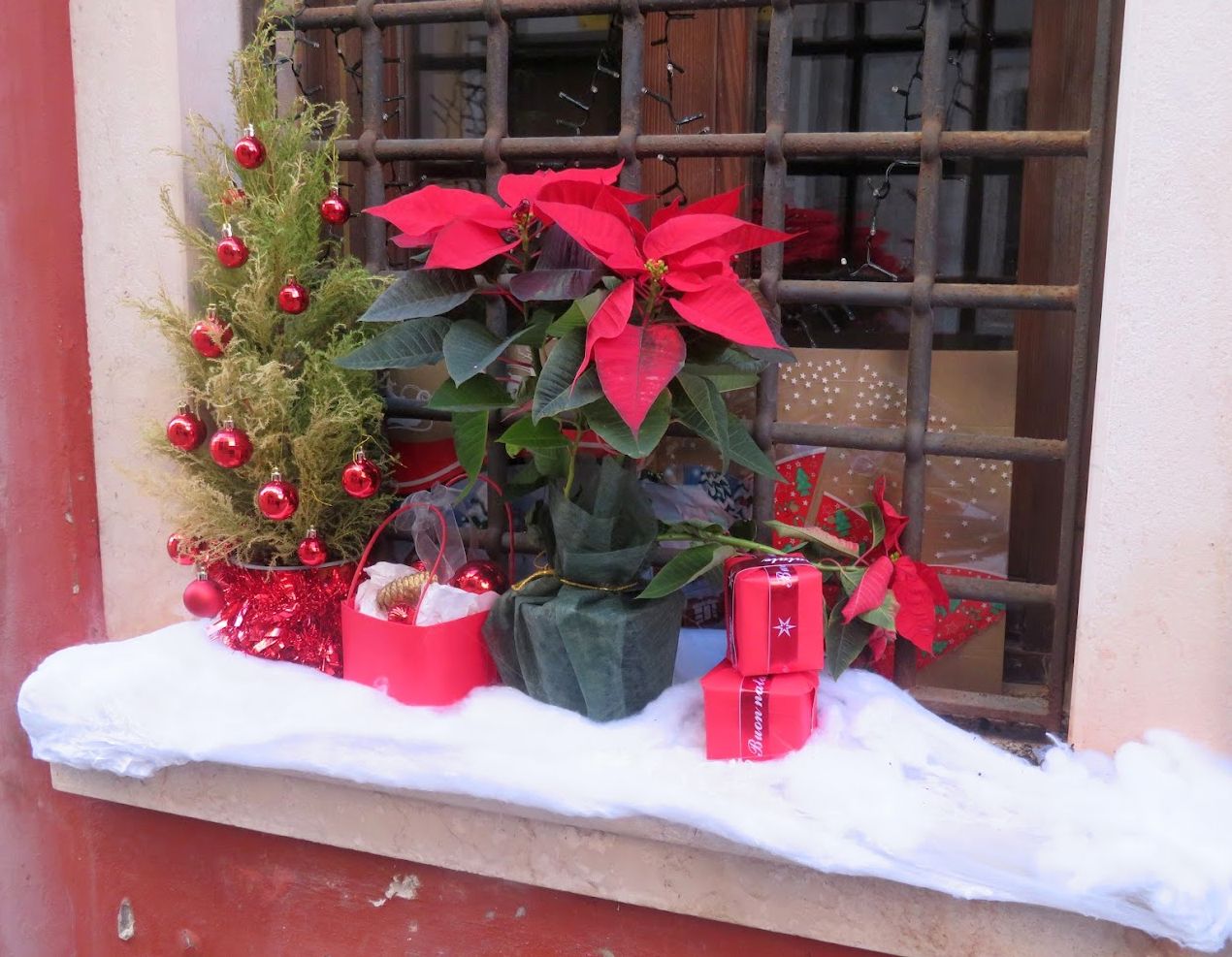
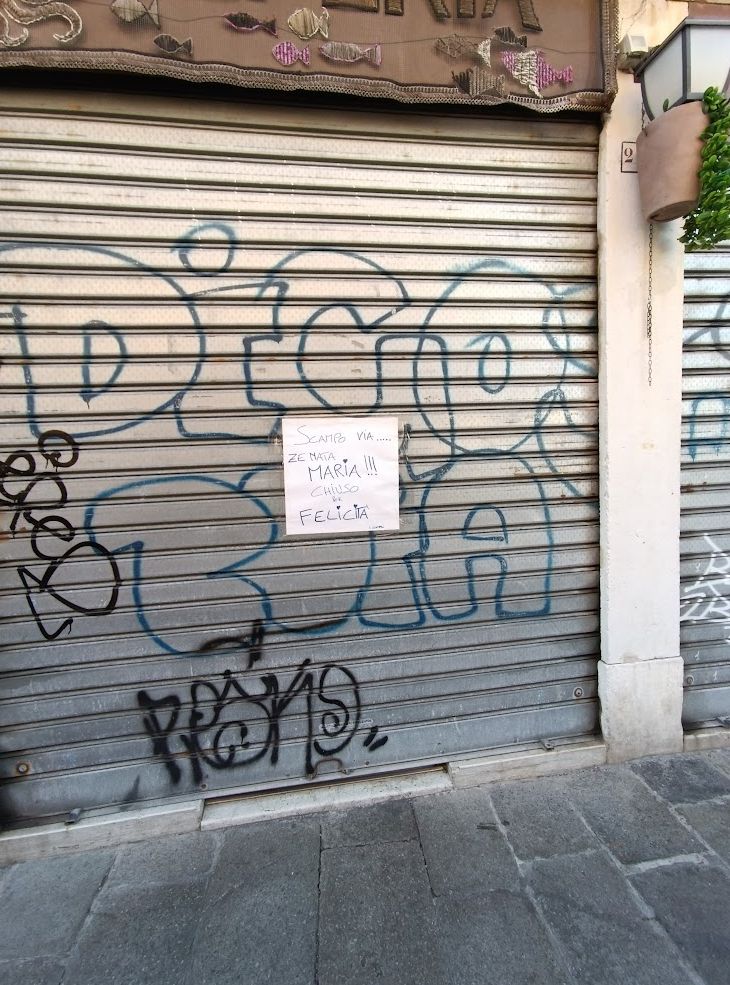
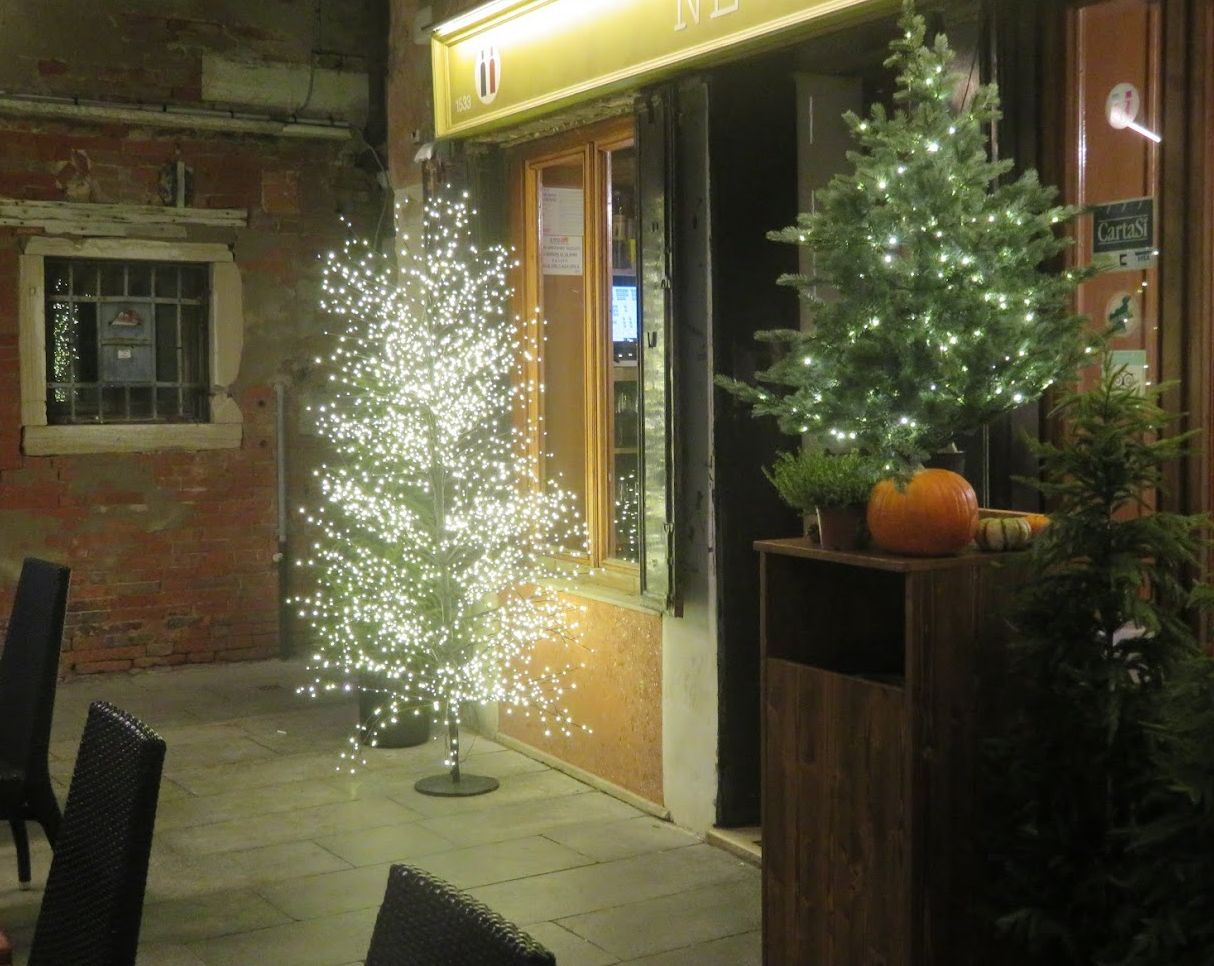
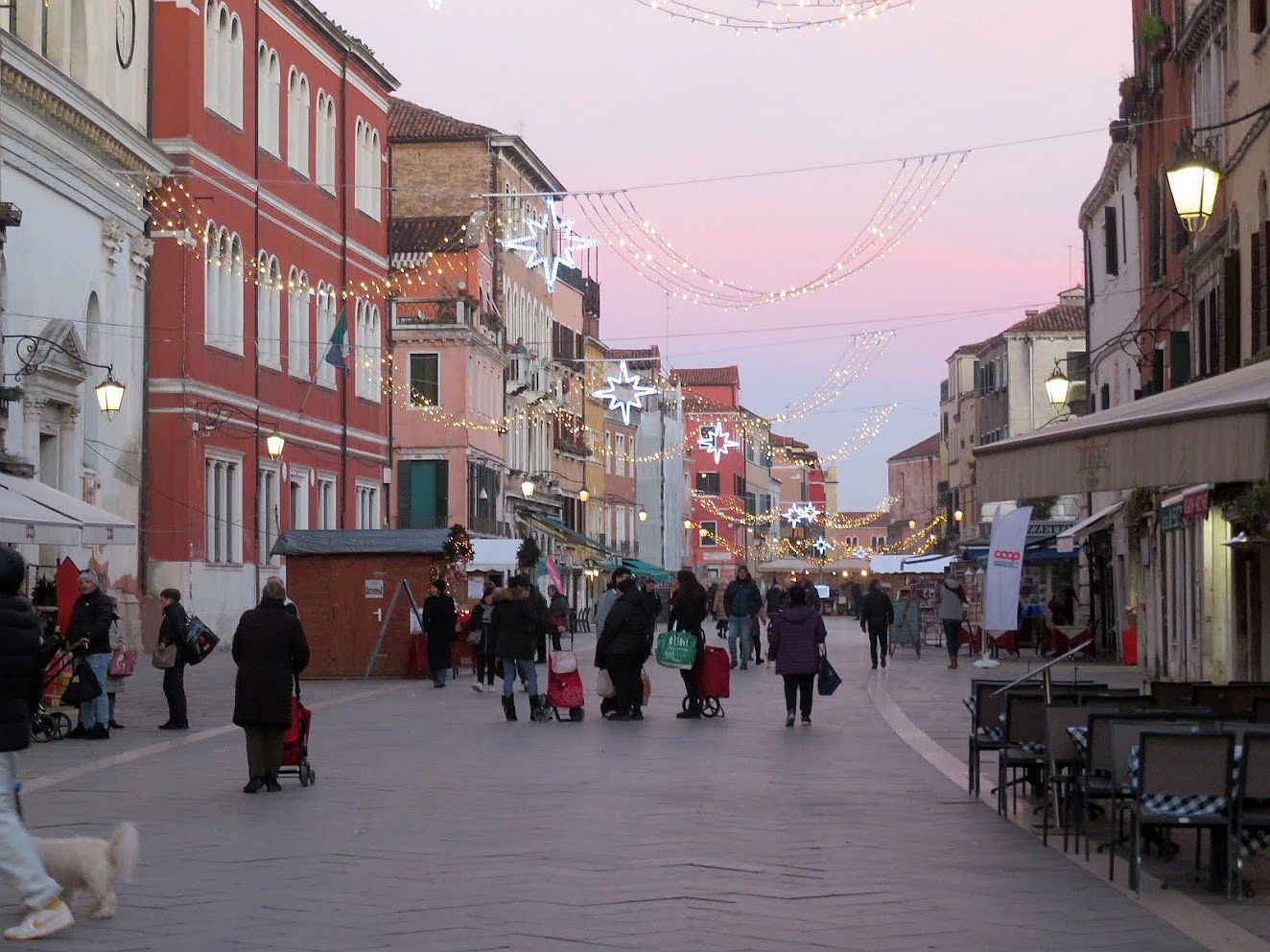
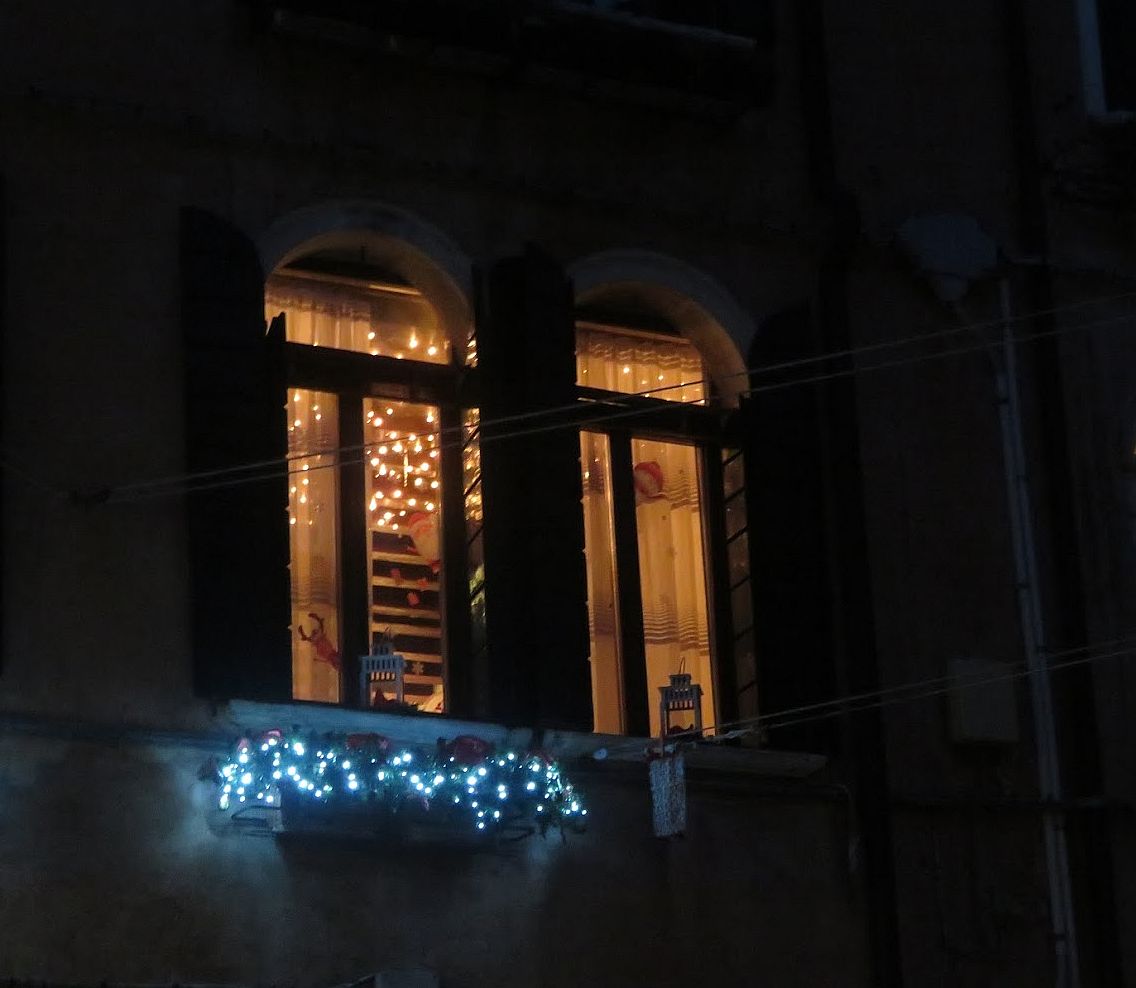
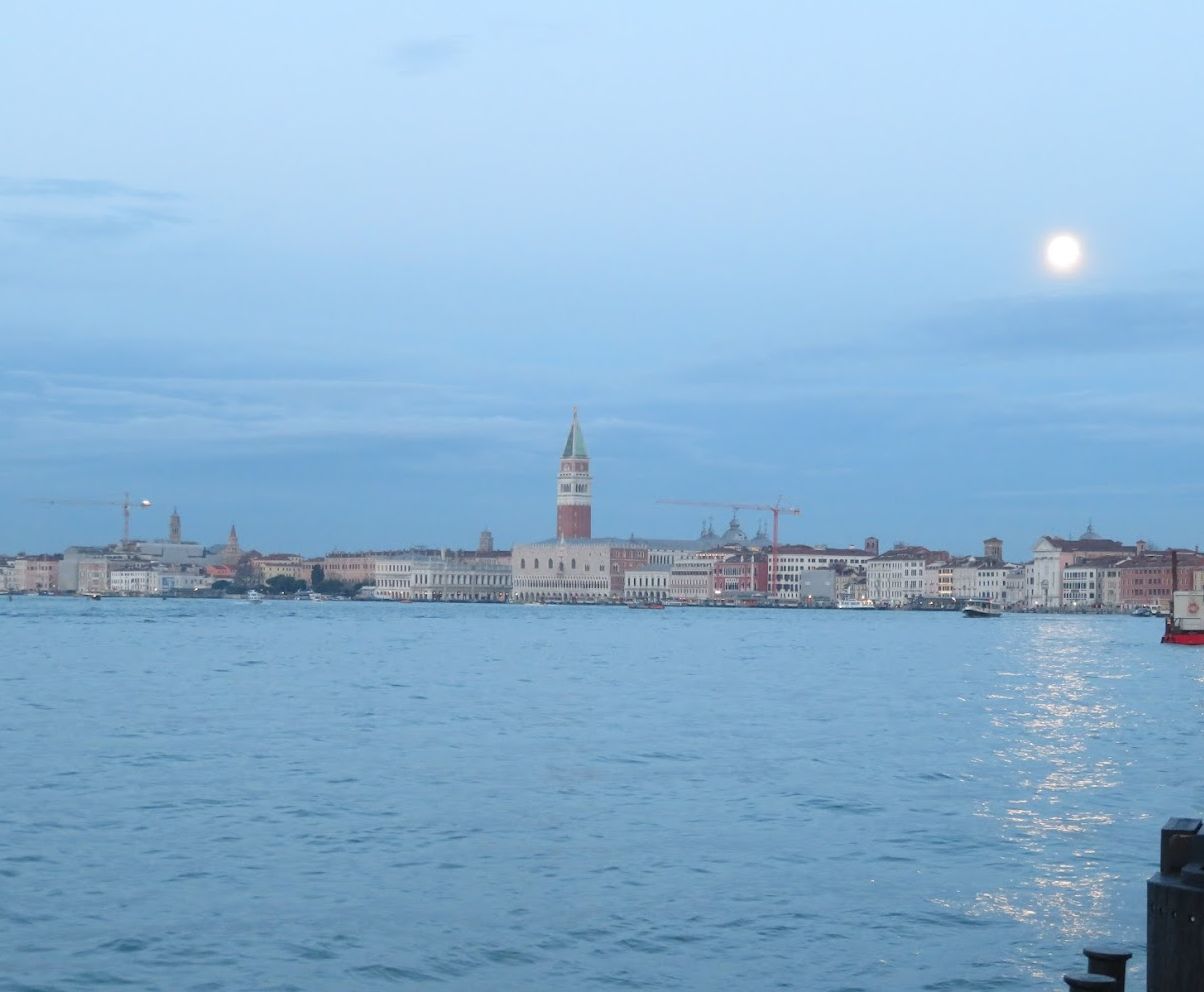
Just a little atmosphere.

Too much is going on in the world, things that involve life and death — I’m sure you’ve noticed that — so news from Venice is almost forced to verge on the frivolous.

Of course, that doesn’t mean that here in the most-beautiful-city-in-the-world we don’t have our problems.  Big ones, small ones, transient, permanent, easily resolvable if one wanted to, of all shapes and sizes and relative atomic masses.  It’s very hard to keep track of them all, much less grasp their true importance.  They’re all important!

Example: The imminent wedding of Jeff Bezos and Lauren Sanchez here sometime next week, by most reports.  The date is being changed secretly, or something, for some reason.  I think it’s to avoid protesters, a group of which has already made its views known.  There are people who object to everything, and now they’ve got this wedding in their sights.  I have to say that although I tend to have an opinion on almost everything, this is one subject that defeats me.  Unless “Why should I care?” is an opinion.

Stay with me. As you know, those who objected to the big cruise ships passing in the bacino of San Marco to the Zona Marittima finally succeeded in banishing them.  Peace, joy and tranquility has reigned, except among the 5,000 families or so who lost their employment in the managing and supplying of these ships.  But fine.  No ships.  You’d think the protesters would be happy.  You’d think.

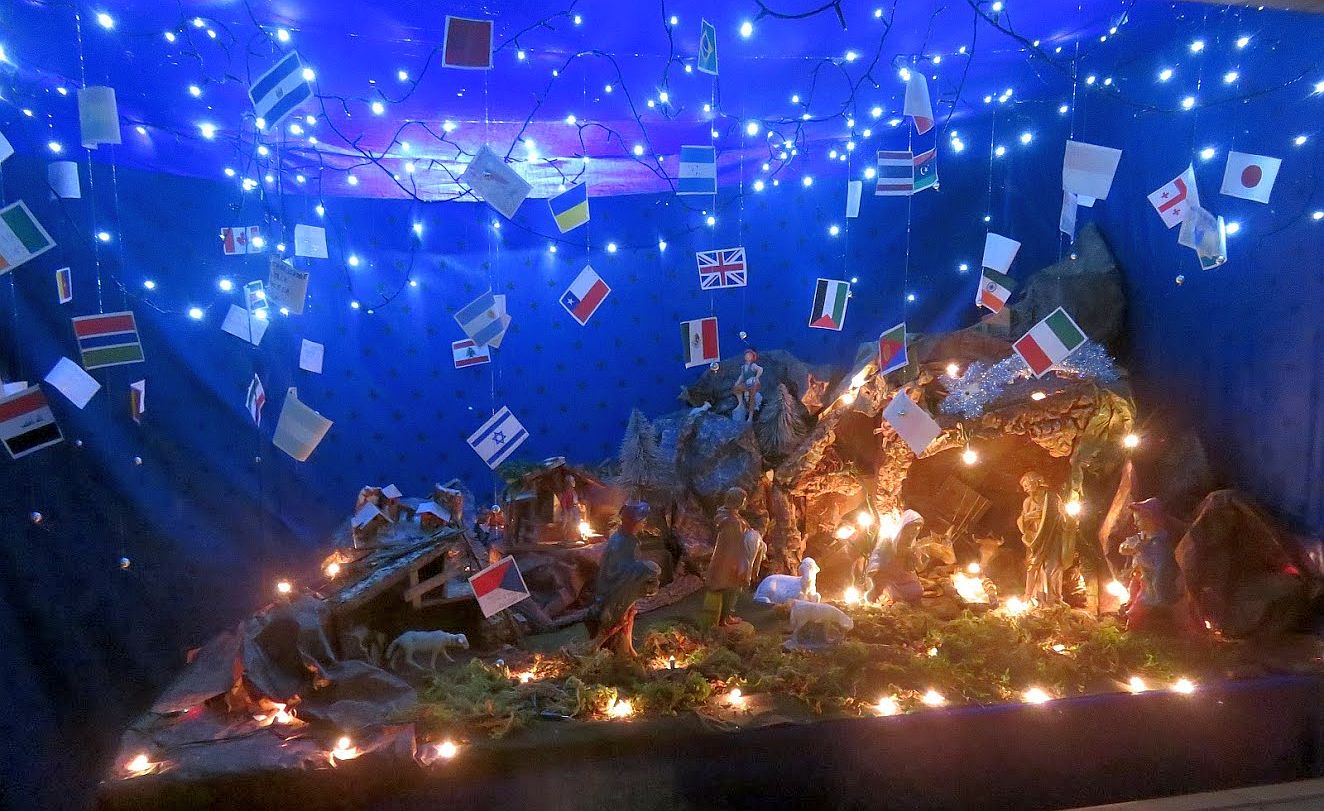
More atmosphere.

Now Bezos and Sanchez heave to on the horizon, and millions of dollars are going to be spent here over the course of a few undefined days to get the lovebirds hitched.  The “No Bezos” contingent is strenuously opposed to this.  (I can understand objecting to him as him, if you like, but I can’t see why his wedding deserves dissent.)  I do recall there was justifiable anger from the citizens during last year’s Film Festival, for which all of the taxis had been booked over the course of several days.  All.  The.  Taxis.  The mayor has reassured the apprehensive citizens that this would not be repeated during the nuptial festivities.

Fun Fact:  The  Gazzettino reports that some 80 private planes are expected to arrive for the big event.  Let’s see, 200 guests divided by 80 makes 2.5 people per plane.  So how are the entourages expected to get here?  Or maybe the 80 planes are for the stylists and equerries and the Mistress of the Robes and the Gentlemen of the Privy Chamber and the Master of the Revels and the rest of the swarm?  The happy soon-to-be-newlyweds may well be ensconced on Bezos’ 500-million-dollar yacht, which is already here.

Now the objectors are clamoring against the luxury yachts.  A number of luxury yachts are also expected — just look at (or imagine) the guest list. But ever since Covid hardly any big yachts stop by anymore.  The Riva degli Schiavoni used to be lined with them, but only a few have tentatively returned, briefly.  But the protesters are in full sail.  First it was No Big Ships!  Now it’s No Yachts!  Jeez, people.  Are you against literally everything?

I love the yachts, I’ll just say it.  I could bury you with photos I’ve made.  Here’s some more atmosphere:

So you get the idea.  Maybe these yachts make you want to protest; I could easily protest that I don’t have one, but I can’t figure out how to object to you having one.  Still, it seems clear that the world is in big trouble whether or not the yachts and/or their oligarchs/celebrities come to Venice or anywhere else.  So in whatever time is left to us in the apocalyptic period we’re going through, it seems to me that serious complaints should not be wasted on yachts.  By all means get out your bedsheets and markers but I hope you won’t be writing “No Yachts.”  Because a real oligarch will just get something else, and it still won’t be yours.

“Preparing the days of common resistence where everyone can say ‘No Space for Bezos!'”  And up in the right-hand corner somebody who objects to the objectors has scribbled “Rammollitti andate a lavorare!” (“Wimps!  Go to work!”).
“Wedding of Bezos in Venice?  Also no!  Jeff Bezos thinks he can buy the entire city.  Let’s organize the party!”  That sounds kind of menacing.  At the bottom a strip has been torn off that said  “No space for oligarchs.”  I think we’ve gotten to the root of the problem.
Another famous and important group of protesters has joined the chat.  I mean, the celebrations.
Quick promotion of the boat moored nearby and the film they projected aboard last night.  They did get the tape-up-the-flags job done quickly and that’s important.  This little slip could happen to anybody.

But this is just temporary tumult.  They’ll be here, with their military security personnel blocking off streets and canals — it will be annoying as all get-out even while the couple assures everybody that they love Venice. But it won’t last long and then it’ll be over.

Moving on!  Let’s talk about trees instead.  They’ve suddenly become more important than yachts because of a tragedy that struck at Piazzale Roma, a place more banal than which it would be difficult to find.  But tragedies — or in this case, trees — don’t have much awareness of banality.

You have to watch out for pickpockets and now you have to also watch out for 50-foot (15 meters) trees.  (La Nuova Venezia)

I doubt any visitors have given much thought to Venice, City of Trees, but on June 2 a majestic holm oak at Piazzale Roma was heard creaking (wind was not exceptional that afternoon) and then it suddenly keeled over onto a group of 12 people who were hanging around.  Two of the victims were seriously injured, one of them a woman with a fractured spine.

June 2 is a national holiday, so of course there were plenty of people everywhere.  But it was also the wedding day (weddings again) of a couple waiting at Palazzo Cavalli for their guests to arrive.  Some of the tree’s victims had been heading to the ceremony, which was naturally called off.

So now the city is frantically monitoring the trees and in the Giardini, and undoubtedly elsewhere, we see stumps and cut-up branches waiting to be taken away.  But hold on: Some concerned citizens are objecting to all this.  They maintain that suddenly the trees are in at least as much danger as the people who walk near them.

Of course it’s wrong to leave trees wobbling with fungus-ridden roots (one hypothesis for the disaster), but there is a case being made that it is just as wrong to remove trees that, according to a new group of protesters, never showed the smallest defect.  Obviously we don’t want trees that are going to fall on us, but which ones are we saving?  Are honest, law-abiding, tax-paying trees going to be sacrificed because of a few rotten ones?  That’s what it looks like to those who are now protesting what suddenly appears to be the the wholesale slaughter of Venetian trees.  A group has formed, of course, and the other evening on the Giudecca I passed a table set up by persons collecting signatures on a petition entitled “Save the Trees.”

If Venice is now in the hands of lumberjacks working overtime, all I can say is that clearly it was long past time to have checked the condition of the city’s trees and the city should be ashamed.  And I’m sorry that people had to suffer in order for this admittedly pretty important task to finally get bumped way up near the top of the city’s “DO TODAY ASAP URGENT PRIORITY” to-do list.

This statue of Francesco Querini at the “Giardini Pubblici” vaporetto stop has stood for more than a century in the shade of ever-growing trees.
Everything looked fine.  But appearance are so deceiving.
Turns out he was in mortal danger.  Now he’s baking in the sun after the potentially dangerous trees have been excised.  Even half of a magnolia was ready to strike.
Suddenly there’s wood everywhere.  The newspaper said that at least seven trees had been earmarked for removal in the viale Garibaldi alone, that long shady stretch between via Garibaldi and the vaporetto stop at the Giardini.  Seven.  And we just kept traipsing along as if everything was fine.

I can see how this tree was harboring a secret.

Hey, stop for a minute.  While everybody’s losing sleep about dangerous trees, it seems that nobody’s interested in objecting to the blatant neglect of simple things that make a city look decent. Thousands of locals and tourists walk through the Giardini Pubblici every day. Why do the benches have to look like they’ve been salvaged from some shipwreck?  This didn’t happen overnight.  There’s no money for paint?  This is just dumb.  Yes, I object.
Even my sainted mother would have objected to this. First, that this misfortune occurred, and second, that it has been left like that for weeks.  It looks stupid.  This is how “Save the Benches” groups (I made that up) get organized.

Some protests, however, are about things that are more important than weddings and forestry.  I’m thinking about the proposed re-routing of the 4.1 and 4.2 vaporettos.  There are two objections to this notion.  One is convenience (sudden lack of), and the other is probable damage to the fondamente of the Arsenal canal.  Plenty of people are now up in arms and collecting signatures against this potential change.

This route used to exist; I remember passing this way back in the mid-Eighties — it was convenient and a heck of a way to see a glimpse of the city that’s closed to the public.

But then it was decided to send the boats the long way around Sant’ Elena on their path from the Arsenale stop to the Fondamente Nove, as a clear and wonderful service to the semi-isolated residents of the area who needed more than just one line.

But no longer.  The residents of farthest Castello and their needs/desires have dropped off the list of municipal priorities (I’m beginning to wonder if there even is such a list), and the people aren’t happy.  Yes, the 5.1 and 5.2 will continue to serve San Pietro di Castello, but there is also that pervasive sensation that tourists take precedence over the locals (let’s speed up the trip to Murano and not waste time going around the touristic dead-end of Sant’ Elena).  And, as I say, there’s also the likelihood that waves will damage the walls of the canal, which somebody ought to be thinking about in whatever time is left over from felling lumber.

Without the 4.1, anyone at Sant’ Elena that needs to go to the hospital will have to take the 5.1 to the Lido and change there for the 4.1.  Anyone at San Pietro di Castello who needs to go to San Zaccaria will have to take the 5.1 and go to the Lido and change there for the 5.2.  Does that sound like anybody at the ACTV Planning Office and Marching and Chowder Society is particularly interested in life at the local level?
The rio dell’Arsenale leads from the lagoon toward the Arsenal. One hopes the schedule will ensure that the northbound and southbound vaporettos don’t meet here.  The more serious consideration is the effect of the waves on the fondamente lining the canal.
I realize that, as I mentioned, the vaporettos managed to pass through here several decades ago.  I just have a different outlook on the procedure this time.  Looks kind of tight here between the pilings and the footbridge.  Both of which can be adjusted.  Somewhat.  Looking at you, high tide.
I see four tricky little points to get through, but I know there won’t be any problems. The vaporetto captains are fine. Not sure about the waves hitting the fondamente in what is still an area belonging to the Navy, but I suspect the city is working to resolve that issue. Navy proprietorship, I mean, not the waves. The city doesn’t care about waves.
I can tell you from experience that the force of the tide through this very narrow space is something to take into consideration. But the vaporettos have motors, so no worries.
Looking at the entrance into the Arsenal from the northern lagoon. The hole in the wall was made years ago for the express purpose of creating a space for the vaporettos to pass through, so why am I wasting time thinking about all this? What really matters is the enormous inconvenience this new plan would impose on the locals.  But, like the waves, that doesn’t seem to matter.

In conclusion, let me bring up a genuine problem.  There is a desperate need to find and keep enough family doctors to care for the admittedly dwindling population.  They are called “medici di base,” or basic doctors, and under the national health system you have to have one.  Whatever procedure you may require has to start with an official request (I call it a work order) from your assigned doctor, and some doctors have up to 1,000 assigned patients.  The older doctors retire, the younger doctors don’t stick around.  You can wake up and find yourself literally without an assigned doctor, it has happened to us more than once.  This will never make international, news (celebrity weddings are so much more engrossing), but I can assure you it’s one of the most important problems that eastern Castello, if not Venetians everywhere, is worried about.

A few days ago a big public meeting was held in via Garibaldi at which various citizens’ groups expressed their complaints — and not for the first time — to assorted official representatives (politicians and representatives of the health system).  Their thoughts were clear from the home-made banners, and I expect that these banners are stored close at hand for the next inevitable outcry from the struggling locals.  Note: AULSS stands for Azienda Unita’ Locale Socio Sanitaria, or Unified Local Social Health Agency.  Venice’s section is #3.

(L to R, translated by me): The family doctor is a right.  AULSS 3 less propaganda and more territorial services.  AULSS we’re fed up.  We want family doctors.  AULSS We’re fed up.  Family doctors an adequate number at Castello and Sant’ Elena.  We’re indignant!!

I sometimes think the city is just waiting us out, considering that the population is falling by 1,500 per year.

So problems!  There are plenty to choose from, and these aren’t even all of them.  I’m beginning to suspect that the city government has become desensitized.  Maybe all this is just background noise to them by now.

Meanwhile, all these annoying little issues will be swamped for the next week by the drama and glamor of Bezos/Sanchez.  We should be glad of a little change of pace?

Venice’s defenders may seem to be mere shadows, but they’re still there.


Continue Reading

the girls on the bench

Remember the mysterious girls on the vaporetto and their extraordinary hair?  I’ll remind you:

They seemed not even to know each other, but the odds on their all meeting up on the morning school vaporetto run are incalculable.

But not many days later, we came upon extravagant tresses again.  Who are these people?

The similarities between these damsels are too obvious to need comment, but I’m fascinated by the rebel in the middle.  Not dressed in black!  Short hair!  She is clearly impervious to whatever strange force is directing the other girls.  Lino, on the other hand, can’t stop marveling at the fact that they didn’t move over to make room for everybody to sit comfortably.  Four people obviously together who all are fine with one of them just perching on the corner?

By all means, come to Venice to look at palaces and canals.  But occasional glimpses of people here are sometimes more extraordinary than almost everything else.

Continue Reading

Menegazzo in Los Angeles

A friend has sent this image of Marino Menegazzo’s gold leaf in Los Angeles.

The caption in Wikipedia (public domain) explains that the original 1939 building was home to the May company department store.  For the curious, the style is Art Deco and Streamline Moderne. Formerly part of the Los Angeles County Museum of Art campus, since 2021 it houses The Academy Museum of Motion Pictures, located on Wilshire Boulevard at the western end of the “Miracle Mile.”

Lest you think, as I did at first, that the cylinder’s surface itself is covered with gold leaf (I tip my hat to the legendary Ca’ d’Oro on the Grand Canal), let me clarify that it is made of more than 350,000 glass and gold-leaf mosaic tiles.  Some of the original tiles were so deteriorated that they had to be replaced, so preservation specialist John Fidler turned to the original producer, Orsoni, in Venice.  Not for the first time, Orsoni turned to Menegazzo for the required leaves of gold to be placed within the new glass tiles.

That’s all I know but it made my day.

Continue Reading

Marino Menegazzo: The last goldbeater

Gold on its way to being beaten into a leaf seemingly lighter than air.  Believe it or not, this leaf is still closer to the beginning than to the eventual end.  This is merely the first step; these leaves have just undergone their first pounding (20 minutes under the tilt hammer) and now will be cut into smaller pieces and beaten again.
Marino Menegazzo is beating gold leaves on a traditional block of marble, and is sitting because wielding an 8-kilo (17 pounds) iron hammer standing up would massacre his back.  Turning gold into gossamer requires from 1200 to 1800 blows of the hammer.

For every “first,” there is a “last.”  They come packaged together, kind of like up and down.  Maybe you actually want your “up” to come down, so that makes you happy, but this particular “last” is serious.  If you are seeking pleasant news today, you’ll have to look elsewhere.  Sorry.

Slow-news-day stories from Venice occasionally bewail the shrinking population of the historic center (“real Venice” to me);  the disappearing population of artisans, not so much.  Venice’s fortunes were built not only on the cunning of merchants but the skills of the artisans who created whatever the people in the fancy houses wanted to sell.  Now it’s 2025, and for an artisan to survive in Venice requires a fortitude and capacity for sacrifice that goes unnoticed by anybody except the tax collectors and landlords.

The result?  The road to Going Out of Business sales.  Two years ago, on April 20, 2023, Marta Artico wrote a report in La Nuova Venezia headlined: Venezia, in dieci anni hanno abbassato le saracinesche 4,000 artigiani.  (“In ten years 4,000 artisans have closed up shop.”  The statistics cover the metropolitan area, not just real Venice.  But still.)

That’s bad enough, but what if an entire craft is slated to disappear?  In the case of Marino Menegazzo, despite every effort, that is exactly what happened.  Not in the distant past, but mere months ago.

Marino Menegazzo was the last man in Europe to beat gold leaf entirely by hand (I except the 20 minutes of the first beating by a 1926 tilt hammer, as similar hammers were in use centuries ago powered by water).  And he didn’t beat only gold, but 17 various gold alloys.

Pure gold, leaf by leaf, seen as it is alloyed down to “white gold” — gold plus silver — in the center.

So now the skill, sensitivity and experience that he has perfected in his lifetime is gone, along with that of the centuries and generations of goldbeaters that preceded him.

Before I proceed, I urge you to read the article I wrote about him that is linked above.  His story up to a few years ago is all there, so no need to repeat it all here.

The sign above his workshop/office/shop.  (Battiloro means goldbeater.)

The “Mario Berta Battiloro” company was founded in 1926, and Marino had hoped to bring the family enterprise to its 100th anniversary.  But no.  The up has had to submit to its down.  At its height (I refrain from referring to it as the “golden age”) the business had 14 workers producing 1,000 booklets of 10 to 25 gold leaves each every month and, in exceptional cases, even in a week.  Impressive?  In the 18th century there were some 340 goldbeating workshops in Venice.

Now Marino’s tools are silent, awaiting transfer to the National Museum of Science and Technology in Milan, and a craft/skill/art that made Venice shine like the sun will no longer be part of the city’s greatness.

His hammers (l to r) weigh 6, 3, 4, 8 kilos (13, 6, 8, 17 pounds).   Pick up something that weighs 17 pounds and imagine doing anything with it besides putting it down immediately.  And carefully.

Many, even most, artisans have to grapple with the most basic challenges to their survival, from rent increases to shrinking markets, taxes, the cost of materials, and the occasional debt, a struggle that too often has led to the same mundane conclusion.  But the craft of goldbeating deserves more than a “Hey, whatcha gonna do?”  Gold leaf continues to be produced in many places around the world, but not like this.  Not even close.

These are the leftovers.  Bits of gold leaf that are sliced away from the edges of the perfectly-cut leaves are piled together, waiting their turn to be melted down and pounded again.

Marino Menegazzo managed to weather the effects of the pandemic, which blocked his customers for too long, and not all of them returned.  But the failure to find an apprentice — there were some, but one by one they moved on — was followed by being compelled to sell his laboratory to pay debts, some reaching back to crises in 2007.  (He kept ten workers on until 2015 because “they were part of the family”).

The gold is smelted at approximately 1750 C (3182 F).  After smelting, the pure gold is poured into a form to cool as an ingot.
This gold has no idea what’s waiting for it.
The ingot rolled through the laminator sets out on the long road to gold leaf.
Each pass through the laminator results in a longer and thinner strip, the first phase of becoming a leaf.
He takes the long ribbon of gold and cuts off whatever size piece is destined for goldleafdom.
The rest he folds up and puts in the safe till he needs another piece.

Losing the laboratory was the fatal step.  He could certainly have kept going for at least a few more years if he’d been able to find a new one.  Sound simple?  Not in Venice.  Because he works with flame, and has a few other technical requirements, he couldn’t move into just any old empty decrepit storeroom, and the search for an adequate new space was completely fruitless.

Appeals for assistance made to the city and the regional governments, and even to the diocese of Venice, were met either with silence or the kind of offers that are no better than none.  Requests for meetings were ignored.  A few foreigners seemed interested in coming to the rescue, but time was running out and there were no results.  An artisan who in some other countries would be sustained as a Living National Treasure was left to his own devices.  He wasn’t asking for favors, just a space!  The Arsenal?  Nope.  A corner of the old ACTV yards at Sant’ Elena?  Nope again.

So there you have it.  There will be no more golden ribbons curling out of the laminator, no more leaves of gold patiently pounded to literal transparency.  There will be no one who is capable of sensing the gold’s response to the winter fog or the summer drought and the heat and the pressure of his hammers.

Another piece of Venice falls away.

One gram of pure gold, circled in red. (One gram = 0,035274 of an ounce.)
One gram of gold beaten into 49 filmy-fine leaves.

He is working with the heaviest hammer here.  He must adjust the force and the rhythm to avoid overheating the gold.  The two packets, or “cutches,” of mylar sheets are held steady by the green “shoder,” made of parchment.

Here he’s working with the lightest hammer.  You may think you could handle the hammer, but could you keep track of perfectly counting every strike of it?  Because that is crucial, and studies show that the capacity to concentrate is deteriorating under the effects of smartphones and the internet.  Goldbeating resembles some form of meditation, with weightlifting added.  Is that a thing?

Menegazzo periodically checks the thinness (and the evenness) of the leaf. The nature of the light passing through it reveals how thin it is, or what more he needs to do.  He can beat leaves so thin that he can obtain a thousand pieces from just 20 grams of gold.  (Photo from his book on the workshop, I regret the quality here.)

After the first beating the leaves are cut into four pieces and interleaved again between sheets of mylar for the final beating.  As you see, each leaf must line up exactly with the one before.  I probably didn’t need to point that out.  Notice the square lined notepaper nearby — it’s there to check alignments when needed.  Again I state the obvious.

The final leaves have to be cut to the prescribed dimensions (there are many options).  That’s where his wife and twin daughters, and an occasional helper, came in.

Eleonora Menegazzo assembling a “libretto,” or booklet, of the gold leaves as ordered.  Like goldbeating, this also has a contemplative aspect, work aided by various tools including her perfect fingernails.

The adjustable cutting tool is called a “wagon.”  I suppose I can see that, though it seems like one of those spontaneous “That’s what we’ll call it till we come up with something better” ideas.
Sabrina Berta, Marino’s wife and the guiding spirit of the workroom, was born into her family’s life of goldbeating.  The workshop has barely changed over the decades.
The slatted floor simplifies the occasional clean-up operation to recover all the random bits of gold that have fallen by the way. Nothing escapes.
Sabrina Berta
The angel Gabriel atop the belltower of San Marco gleams with Menegazzo’s gold.


Continue Reading